Beautybush
Kolkwitzia amabilis
An underutilized gem that creates a spectacular spring display with cascading branches covered in pink bell-shaped flowers. This graceful, fountain-like shrub earned its common name honestly - few plants can match its breathtaking beauty when in full bloom, attracting bees and butterflies by the dozens. The exfoliating bark provides winter interest, making this a true four-season plant.
Sun
Full sun to partial shade
Zones
4–8
USDA hardiness
Height
6-10 feet
Planting Timeline
Showing dates for Beautybush in USDA Zone 7
All Zone 7 shrub →Zone Map
Click a state to update dates
Beautybush · Zones 4–8
Growing Details
Complete Growing Guide
Light: Dappled Sunlight (Shade through upper canopy all day), Full sun (6 or more hours of direct sunlight a day), Partial Shade (Direct sunlight only part of the day, 2-6 hours). Soil: Clay, Loam (Silt), Sand. Soil pH: Acid (<6.0), Alkaline (>8.0), Neutral (6.0-8.0). Drainage: Good Drainage, Moist. Height: 6 ft. 0 in. - 10 ft. 0 in.. Spread: 6 ft. 0 in. - 8 ft. 0 in.. Maintenance: Low. Propagation: Stem Cutting. Regions: Coastal, Mountains, Piedmont.
Harvesting
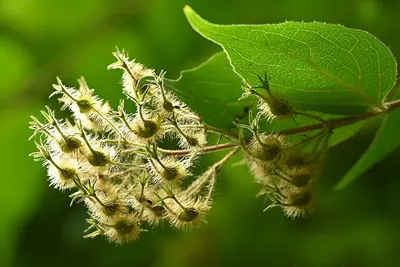
The fruits are brown, 1/4-inch long, hairy, bristly ovoid capsules that appear in loose clusters. They typically persist on the plant after leaf drop.
Color: Brown/Copper. Type: Capsule. Length: < 1 inch. Width: < 1 inch.
Storage & Preservation
Beautybush doesn't require storage as it's an ornamental shrub, not a harvested crop. However, cut branches can be displayed in water indoors for 1-2 weeks; change water every 2-3 days and keep in a cool location (65-70°F) away from direct heat and ethylene-producing fruits. For preservation, dry flowers by hanging branches upside-down in a cool, well-ventilated space for decorative arrangements, or press individual blooms between parchment paper for crafts. Alternatively, preserve by taking stem cuttings in early summer and propagating them in moist perlite for winter arrangements.
History & Origin
Origin: Central and East Central China
Advantages
- +Spectacular pink bell-shaped flowers create stunning spring display
- +Fountain-like growth habit provides elegant, graceful landscape structure
- +Exfoliating bark adds valuable winter visual interest and texture
- +Generally pest-free and very disease-resistant with minimal maintenance
- +Attracts pollinators like bees and butterflies throughout blooming season
Considerations
- -Requires full sun for optimal flowering and dense growth
- -Occasional fungal issues develop in humid or poorly-drained conditions
- -Needs regular pruning after flowering to maintain attractive shape
- -Relatively narrow blooming window limits seasonal ornamental appeal
Companion Plants
Lavender, Catmint, and Russian Sage are the strongest companions here — all three share Kolkwitzia's preference for well-drained soil and a pH above 6.0, and none will muscle it for water once the roots are settled. They also bloom in a sequence that carries the garden from May through late summer, Kolkwitzia's pink flowers peaking first and the others picking up the slack. Spirea and Weigela fit for similar reasons: matched water needs, similar 6-10 foot scale, and no soil chemistry conflicts. Allium at the base contributes some pest-deterrent effect, though on a shrub this clean, it's mostly a visual bonus.
Black Walnut is the serious one to avoid. The juglone it releases through root exudate and decomposing leaf litter damages a wide range of woody plants, and while Kolkwitzia's exact sensitivity hasn't been catalogued the way tomatoes' has, there's no upside to testing it. Rhododendron is a different kind of mismatch — it wants an acidic soil around pH 4.5–6.0, while Kolkwitzia tolerates up to pH 8.0, and the two will fight over moisture in a way that leaves both plants looking half-fed.
Plant Together
Lavender
Repels pests and attracts beneficial pollinators, thrives in similar well-drained conditions
Spirea
Similar growing requirements and bloom times create attractive layered plantings
Catmint
Deters aphids and ants while attracting beneficial insects, complements beautybush's growth habit
Weigela
Compatible flowering shrub with similar sun and soil requirements, extends bloom season
Allium
Natural pest deterrent that repels aphids and other soft-bodied insects
Clematis
Climbing vine that uses beautybush as natural support while adding vertical interest
Russian Sage
Drought-tolerant perennial that complements beautybush and repels deer and rabbits
Hosta
Provides attractive ground cover in partial shade areas beneath beautybush canopy
Keep Apart
Black Walnut
Produces juglone which is toxic to many plants and can stunt beautybush growth
Rhododendron
Competing root systems and different soil pH requirements create growth conflicts
Eucalyptus
Allelopathic properties inhibit growth of nearby plants through chemical compounds in fallen leaves
Pests & Disease Resistance
Resistance
Excellent disease resistance
Common Pests
Generally pest-free
Diseases
Very disease resistant, occasional minor fungal issues in humid conditions
Troubleshooting Beautybush
What you'll see, why it happens, and what to do about it.
Sparse or no bloom in spring despite healthy-looking foliage
Likely Causes
- Pruning at the wrong time — Kolkwitzia blooms on last year's wood, so cutting it back in fall or early spring removes the flower buds
- Too much shade — fewer than 4 hours of direct sun suppresses flowering
What to Do
- 1.Prune only immediately after bloom (late June or July), never before
- 2.Relocate or limb up nearby trees to get the plant closer to 6 hours of sun
- 3.Hold off on heavy nitrogen fertilizer — it pushes leafy growth at the expense of flowers
Powdery white coating on leaves in mid to late summer, mostly on interior branches
Likely Causes
- Powdery mildew (Erysiphe or Microsphaera spp.) — common in humid summers with poor airflow
- Overcrowded planting that traps moisture around the canopy
What to Do
- 1.Thin out crossing interior branches to open up airflow — this shrub tolerates selective thinning well
- 2.Avoid overhead irrigation; water at the base
- 3.Powdery mildew on Kolkwitzia is cosmetic and rarely threatens the plant; skip the spray unless the shrub is young and severely affected
Older stems becoming woody and twiggy with fewer flowers year over year
Likely Causes
- Natural aging of the canes — Kolkwitzia blooms best on younger wood and loses vigor on stems older than 4-5 years
- No renewal pruning over multiple seasons
What to Do
- 1.Each year after bloom, cut 1-2 of the oldest, thickest canes down to 12-18 inches from the ground to encourage fresh basal growth
- 2.Every 5-7 years, do a hard rejuvenation — cut the whole shrub back to about 18 inches; it will look rough for one season and return to good flowering the next
Frequently Asked Questions
When should I plant Beautybush?▼
Is Beautybush a good plant for beginners?▼
Can you grow Beautybush in containers?▼
How long does Beautybush bloom?▼
What are the winter features of Beautybush?▼
How do I prune Beautybush?▼
Zone-by-Zone Planting Calendar
Growing Guides from Wind River Greens
Sources & References
External authority sources used in compiling this guide.
- ExtensionNC State Extension
See the Methodology page for how this data is sourced, what's AI-assisted, and known limitations.