Roma
Solanum lycopersicum 'Roma'
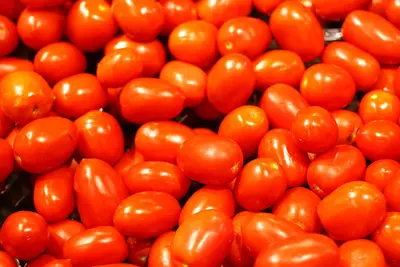
Roma is a classic heirloom paste tomato prized for its dense, meaty flesh and concentrated flavor. The plant produces elongated, plum-shaped fruits that mature in 60-65 days with minimal seeds and low acidity. Known for its mild, sweet taste, Roma excels in fresh sauces, pastes, and cooking applications where robust texture matters. This reliable, easy-to-grow variety tolerates less fertile soil and requires minimal maintenance. Its naturally rich flavor develops without excessive acidity, making it ideal for traditional Italian tomato preparations.
Harvest
60-65d
Days to harvest
Sun
Full sun to partial shade
Zones
4–9
USDA hardiness
Height
12-24 inches
Planting Timeline
Showing dates for Roma in USDA Zone 7
All Zone 7 tomato →Zone Map
Click a state to update dates
Roma · Zones 4–9
Growing Details
Complete Growing Guide
Light: Full sun (6 or more hours of direct sunlight a day), Partial Shade (Direct sunlight only part of the day, 2-6 hours). Soil: Loam (Silt), Sand. Soil pH: Acid (<6.0), Alkaline (>8.0), Neutral (6.0-8.0). Drainage: Good Drainage, Moist, Occasionally Dry. Height: 1 ft. 0 in. - 2 ft. 0 in.. Spread: 0 ft. 2 in. - 0 ft. 4 in.. Spacing: Less than 12 inches. Growth rate: Rapid. Maintenance: Low. Propagation: Division, Seed. Regions: Coastal, Mountains, Piedmont.
Harvesting
Color: Brown/Copper. Type: Achene. Length: < 1 inch. Width: < 1 inch.
Edibility: Use dried flowers for tea. Drink no more than one cup of tea per day, as it contains thujone, a substance that can be toxic in high doses. Do not use if pregnant.
Storage & Preservation
Store fresh Roma tomatoes at room temperature for 3-5 days for best flavor, or refrigerate ripe fruits for up to one week. Keep them stem-side down to prevent moisture loss and maintain firmness longer than other varieties.
Roma tomatoes excel at preservation due to their low moisture content and meaty flesh. For canning, use them within 24 hours of harvest for peak quality and safety. Their concentrated flesh means less cooking time to achieve thick sauces and pastes.
Freeze whole Roma tomatoes in bags for year-round sauce making — the skins slip off easily after thawing. For drying, slice lengthwise and dehydrate at 135°F for 8-12 hours until leathery. Their low water content makes them ideal for oven-drying at 200°F with the door cracked open. Properly dried Roma tomatoes store for 6-12 months in airtight containers.
History & Origin
Origin: Europe, India and Western Asia
Advantages
- +Attracts: Bees, Pollinators
- +Fast-growing
- +Low maintenance
Considerations
- -Toxic (Leaves): Low severity
- -Causes contact dermatitis
Companion Plants
Basil planted 18 inches away shares Roma's water schedule and pulls double duty in the kitchen — whatever aphid-confusion benefit it provides is a bonus, not the point. French marigolds like 'Petite Gold' release thiophene compounds from their roots that suppress soil nematodes, which matters in beds that have grown tomatoes before. Garlic and chives both emit volatile sulfur compounds that deter aphids, and chives top out around 12 inches so they won't shade the lower fruit. Fennel is the one to pull before it gets near this bed — its root exudates are allelopathic to tomatoes, and it'll stunt growth even at a few feet away. Corn is also a bad neighbor: it competes hard for nitrogen and shares caterpillar pressure from Helicoverpa zea, which hits both crops in the same season.
Plant Together
Basil
Repels aphids and whiteflies, may improve flavor and growth
Marigold
Deters nematodes, aphids, and whiteflies with natural compounds
Carrots
Helps break up soil for tomato roots, doesn't compete for nutrients
Parsley
Attracts beneficial insects like hoverflies that prey on tomato pests
Chives
Repels aphids and may improve tomato flavor and growth
Nasturtiums
Acts as trap crop for aphids and cucumber beetles, repels whiteflies
Borage
Deters hornworms and attracts pollinators, may improve tomato flavor
Garlic
Natural fungicide properties help prevent blight and repel various pests
Keep Apart
Black Walnut
Releases juglone toxin that causes tomato wilt and stunted growth
Fennel
Inhibits growth of tomatoes through allelopathic compounds
Brassicas
Compete heavily for nutrients and may stunt tomato growth
Corn
Both attract corn earworm/tomato fruitworm, creating pest problems
Nutrition Facts
Per 100g serving. % Daily Value based on 2,000 calorie diet. Source: USDA FoodData Central (FDC #321360)
Pests & Disease Resistance
Resistance
Moderate resistance to common tomato diseases. Less susceptible to cracking than slicing varieties.
Common Pests
Tomato hornworm, aphids, whiteflies
Diseases
Early blight, late blight, fusarium wilt
Troubleshooting Roma
What you'll see, why it happens, and what to do about it.
Lower leaves developing dark brown bullseye-ringed spots, working up the plant from the soil line — usually visible by day 45–50 after transplant
Likely Causes
- Early blight (Alternaria solani) — a soil-borne fungus that splashes onto foliage during rain or overhead watering
- Crowded spacing under 18 inches that traps humidity around the lower canopy
What to Do
- 1.Strip all spotted leaves and bin them — don't compost them
- 2.Lay 3–4 inches of straw mulch around the base to stop spore splash
- 3.Per NC State Extension's IPM guidance, rotate this bed out of all nightshades for at least 3–4 years; for persistent early blight, 5–7 years is the safer target
Large sections of foliage turning gray-green and collapsing fast — sometimes overnight — with dark, water-soaked lesions on fruit
Likely Causes
- Late blight (Phytophthora infestans) — an oomycete that spreads explosively in cool, wet conditions (nights below 65°F, high humidity)
- Infected transplants or nearby potato plantings introducing the pathogen
What to Do
- 1.Remove and bag affected plants immediately — Phytophthora infestans can spread to neighboring beds within 24–48 hours
- 2.Trash everything, roots included; NC State Extension's disease diagnostic notes flag late blight as a pathogen they actively monitor statewide because of how fast it moves
- 3.Next season, keep tomatoes and potatoes at least 30 feet apart, and scout weekly once nighttime temps drop below 65°F
Plant wilts during the day even with adequate soil moisture, doesn't recover overnight, and shows yellow-brown streaking inside the stem when you cut it at the base
Likely Causes
- Fusarium wilt (Fusarium oxysporum f. sp. lycopersici) — a soil-borne fungus that colonizes the vascular tissue and blocks water uptake
- Reusing the same bed for tomatoes in back-to-back seasons, which lets Fusarium inoculum build up
What to Do
- 1.Dig up and destroy the whole plant including roots — NC State Extension recommends removing infested soil from contact with the rest of your garden
- 2.Growing Roma in containers with fresh potting mix is a legitimate workaround where the garden soil is confirmed infested
- 3.Rotate out of all Solanaceae crops for 3–4 years minimum; Fusarium oxysporum persists in soil for years without a host
Frequently Asked Questions
How long do Roma tomatoes take to grow from seed?▼
Can you grow Roma tomatoes in containers?▼
Are Roma tomatoes good for beginners?▼
What's the difference between Roma and San Marzano tomatoes?▼
When should I plant Roma tomatoes?▼
Do Roma tomatoes taste good fresh?▼
Zone-by-Zone Planting Calendar
| Zone | Indoor Start | Transplant | Direct Sow | Harvest |
|---|---|---|---|---|
| Zone 3 | April – April | June – July | — | August – October |
| Zone 4 | March – April | June – June | — | August – October |
| Zone 5 | March – March | May – June | — | August – October |
| Zone 6 | March – March | May – June | — | July – September |
| Zone 7 | February – March | April – May | — | July – September |
| Zone 8 | February – February | April – May | — | June – August |
| Zone 9 | January – January | March – April | — | May – July |
| Zone 10 | January – January | February – March | — | May – July |
| Zone 1 | May – May | July – August | — | September – August |
| Zone 2 | April – May | June – July | — | September – September |
| Zone 11 | January – January | January – February | — | April – June |
| Zone 12 | January – January | January – February | — | April – June |
| Zone 13 | January – January | January – February | — | April – June |
Growing Guides from Wind River Greens
Sources & References
External authority sources used in compiling this guide.
- ExtensionNC State Extension
- USDAUSDA FoodData Central
See the Methodology page for how this data is sourced, what's AI-assisted, and known limitations.