Monstera Adansonii
Monstera adansonii
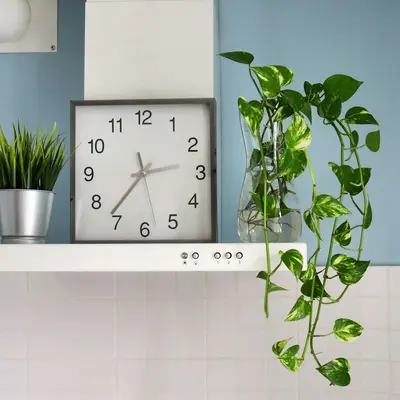
Known as the Swiss Cheese Vine, this stunning trailing plant features heart-shaped leaves with natural holes that develop as the plant matures. Unlike its larger cousin, this compact variety is perfect for hanging baskets or training up a moss pole, making it ideal for smaller spaces while still delivering that coveted tropical jungle aesthetic.
Sun
Partial shade
Zones
10–12
USDA hardiness
Height
3-13 feet
Complete Growing Guide
This trailing aroid thrives in bright, indirect light but tolerates lower conditions better than larger Monsteras, making it forgiving for apartment dwellers—however, insufficient light causes sparse fenestration and weak growth rather than those signature leaf holes. Water when the top inch of soil dries, typically every 7-10 days, but reduce frequency in winter to prevent root rot, a common issue with this variety. Unlike climbing Monsteras, Adansonii remains compact without aggressive pruning, though it tends toward leggy growth if light drops below medium levels; regular pinching encourages bushier development. Spider mites and mealybugs favor the dense leaf clusters, so inspect undersides monthly and increase humidity with occasional misting to prevent infestations. A practical tip: train this cultivar vertically on a moss pole rather than allowing it to sprawl—this encourages larger leaves with more pronounced fenestration while maximizing space efficiency in small homes.
Light: Partial Shade (Direct sunlight only part of the day, 2-6 hours). Soil: Loam (Silt). Soil pH: Acid (<6.0), Alkaline (>8.0), Neutral (6.0-8.0). Drainage: Good Drainage, Moist. Height: 3 ft. 0 in. - 13 ft. 0 in.. Spread: 1 ft. 0 in. - 3 ft. 0 in.. Spacing: 12 inches-3 feet. Growth rate: Rapid. Propagation: Stem Cutting.
Harvesting
Monstera Adansonii leaves reach peak maturity when they display rich, deep green coloration and their characteristic fenestrations are fully formed and pronounced. Unlike single-harvest plants, this variety supports continuous harvesting throughout the growing season—simply remove mature leaves or stem sections as needed, which actually encourages bushier growth rather than depleting the plant. Gently feel the petiole; a firm, woody stem indicates readiness for cutting, while soft or translucent stems suggest waiting another week or two. The optimal timing window is spring through early fall when the plant's vigor is highest, avoiding winter harvests when growth slows considerably. Make clean cuts just above a node to promote new branching from that point.
Bloom time: Spring
Storage & Preservation
Monstera Adansonii is a living houseplant and does not require traditional food storage. However, maintain optimal growing conditions by keeping the plant in a warm, humid environment (65-80°F, 50-75% humidity). For preservation, propagate stem cuttings in water or moist soil to create backup plants and ensure longevity. Repot annually in fresh, well-draining potting mix to maintain vigor. Mist leaves regularly to preserve foliage health and prevent dust accumulation, which can hinder photosynthesis and encourage pest issues.
History & Origin
This tropical climbing plant originates from Central and South America, where it grows naturally in rainforest environments from Mexico through the Amazon basin. The species was formally described and classified within the Monstera genus during the nineteenth century, though detailed documentation of its initial European introduction remains sparse. The common name "Swiss Cheese Vine" reflects the characteristic fenestration—the natural holes developing in mature leaves—a trait shared across the Monstera genus. Unlike Monstera deliciosa, its more famous relative, Adansonii remained less prominent in cultivation until recent decades, when renewed interest in tropical houseplants and trailing varieties increased its commercial availability among collectors and botanists seeking compact alternatives for indoor gardening.
Origin: Southern Mexico to Tropical America
Advantages
- +Compact trailing growth perfect for hanging baskets and small spaces
- +Develops distinctive heart-shaped leaves with natural holes as it matures
- +Easy to care for, ideal for beginner plant enthusiasts
- +Can be trained upward on moss poles for vertical growing
- +Delivers tropical jungle aesthetic without requiring large floor space
Considerations
- -Susceptible to spider mites, aphids, mealybugs, and scale insect infestations
- -Prone to root rot if soil moisture is not carefully managed
- -Requires well-draining soil to prevent fungal leaf spot diseases
Companion Plants
Pothos, Philodendron, and Peace Lily are the most practical groupings because they share nearly identical care requirements with Monstera adansonii — indirect light, moderate humidity, and soil that gets to dry out between waterings. Clustering plants with matched needs means you're watering everything in that corner on the same schedule, not making exceptions. Cactus, lavender, and rosemary are the obvious misfits: all three want bone-dry soil, full sun, and low humidity — conditions that would stress adansonii within a few weeks. Put them in the same room if you like the look, but they shouldn't share a humidity tray or a watering routine.
Plant Together
Pothos
Similar light and humidity requirements, both are climbing vines that thrive in bright indirect light
Philodendron
Compatible watering schedule and humidity needs, both prefer well-draining soil
Snake Plant
Purifies air and tolerates lower light, creating good microclimate diversity
Spider Plant
Both prefer bright indirect light and similar humidity levels, spider plant helps increase air moisture
Peace Lily
Increases humidity levels which benefits Monstera, both thrive in similar temperature ranges
Boston Fern
Creates humid microenvironment through transpiration, both prefer consistent moisture
ZZ Plant
Low maintenance companion that won't compete aggressively, tolerates similar light conditions
Rubber Tree
Similar watering needs and light requirements, both are tropical plants with comparable care
Keep Apart
Fiddle Leaf Fig
Requires more direct light and is sensitive to overwatering, conflicting care requirements
Cactus
Requires dry conditions and bright light, opposite watering and humidity needs
Lavender
Needs full sun and dry soil conditions, incompatible with Monstera's humidity requirements
Rosemary
Requires well-draining dry soil and full sun, conflicting with tropical humidity needs
Pests & Disease Resistance
Resistance
Generally resistant when not overwatered
Common Pests
Spider mites, aphids, mealybugs, scale insects
Diseases
Root rot from overwatering, leaf spot
Troubleshooting Monstera Adansonii
What you'll see, why it happens, and what to do about it.
Yellowing leaves, mushy stems at the soil line, soil staying wet for more than 7-10 days after watering
Likely Causes
- Root rot (Pythium or Phytophthora spp.) from overwatering or a pot with no drainage hole
- Heavy, compacted potting mix that holds water too long
What to Do
- 1.Unpot the plant and cut off any black, mushy roots with clean scissors; let the root ball air out for an hour before repotting
- 2.Repot into a mix with perlite added — roughly 1 part perlite to 3 parts potting soil — and a pot with drainage
- 3.Water only when the top inch of soil is dry; in a low-light room in winter, that might be every 10-14 days
Fine webbing on leaf undersides, with tiny moving dots and a dusty, stippled texture across the leaf surface
Likely Causes
- Spider mites (Tetranychus urticae) — they thrive in dry indoor air, especially when relative humidity drops below 40%
What to Do
- 1.Wipe down every leaf — top and bottom — with a damp cloth to physically remove mites and webbing before spraying anything
- 2.Apply insecticidal soap solution (1 tablespoon castile soap per quart of water) every 5-7 days for 3 consecutive weeks
- 3.Push ambient humidity above 60% with a pebble tray or small humidifier; Tetranychus urticae populations collapse in high-humidity conditions
White cottony clusters in leaf axils or along stems, with a sticky or shiny residue on nearby leaves
Likely Causes
- Mealybugs (Pseudococcidae) — common on aroids, spread easily from plant to plant on clothing and tools
- Scale insects (Coccidae) produce similar stickiness but leave hard, brown shell-like bumps instead of fluff
What to Do
- 1.Dab individual clusters with a cotton swab soaked in 70% isopropyl alcohol — kills on contact without soaking the soil
- 2.For a heavier infestation, spray the whole plant with neem oil solution (2 teaspoons neem oil + 1 teaspoon dish soap per quart of water) and repeat every 7 days for a month
- 3.Move the plant at least 3 feet away from your other houseplants and keep it isolated until you've gone 14 days without seeing new insects
Brown or tan irregular spots on leaves with a faint yellow halo — not dry crispy edges, actual interior lesions
Likely Causes
- Fungal or bacterial leaf spot — often triggered by water sitting on leaves overnight, or by introducing an infected plant without quarantining it first
- Persistently damp foliage from overwatering combined with low airflow
What to Do
- 1.Remove affected leaves cleanly at the petiole and bin them — don't compost
- 2.Water at soil level rather than overhead, and give the plant at least a few inches of clearance from neighboring pots so air can move around it
- 3.If lesions keep appearing on new growth, apply a copper-based fungicide labeled for ornamental houseplants and relocate the plant somewhere with better ventilation
Frequently Asked Questions
Is Monstera Adansonii good for beginners?▼
How often should I water Monstera Adansonii?▼
Can you grow Monstera Adansonii in low light?▼
How do I propagate Monstera Adansonii?▼
What are the holes in Monstera Adansonii leaves called?▼
How long does Monstera Adansonii live indoors?▼
Growing Guides from Wind River Greens
Sources & References
External authority sources used in compiling this guide.
- ExtensionNC State Extension
See the Methodology page for how this data is sourced, what's AI-assisted, and known limitations.