Littleleaf Linden
Tilia cordata
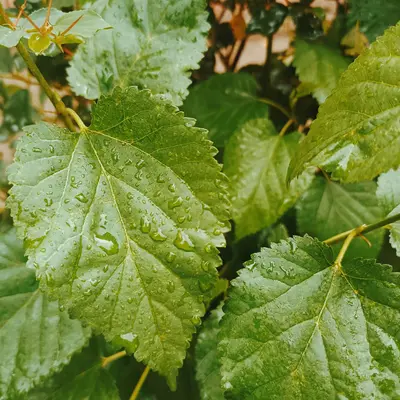
A refined European shade tree beloved for its perfectly heart-shaped leaves and sweetly fragrant summer flowers that attract beneficial pollinators. This well-mannered tree maintains a neat, pyramidal shape without aggressive pruning and tolerates urban conditions exceptionally well. Its dense foliage provides excellent shade while the fragrant blooms create a delightful sensory experience in the garden.
Sun
Full sun to partial shade
Zones
3–7
USDA hardiness
Height
50-60 feet
Planting Timeline
Showing dates for Littleleaf Linden in USDA Zone 7
All Zone 7 shade-tree →Zone Map
Click a state to update dates
Littleleaf Linden · Zones 3–7
Growing Details
Complete Growing Guide
Light: Full sun (6 or more hours of direct sunlight a day), Partial Shade (Direct sunlight only part of the day, 2-6 hours). Soil: Loam (Silt). Soil pH: Alkaline (>8.0), Neutral (6.0-8.0). Drainage: Good Drainage, Moist. Height: 50 ft. 0 in. - 60 ft. 0 in.. Spread: 35 ft. 0 in. - 50 ft. 0 in.. Spacing: more than 60 feet. Growth rate: Medium. Maintenance: Low. Propagation: Grafting. Regions: Mountains, Piedmont.
Harvesting
The fruits are small, rounded, hairy nutlets that hang in pendulous clusters. Initially, they are pale green, but they change to light tan as they mature. They are 1/4 inch in diameter and appear in late summer.
Color: Cream/Tan. Type: Achene. Length: < 1 inch. Width: < 1 inch.
Harvest time: Summer
Storage & Preservation
Littleleaf Linden is a shade tree and does not require post-harvest storage or preservation. However, harvested branches and flowers can be air-dried for decorative or herbal tea purposes. Store dried flowers and foliage in cool, dry conditions (65-70°F, 40-50% humidity) in airtight containers away from light. Dried linden flowers maintain quality for 1-2 years. Preservation methods include: (1) Air-drying cut branches and flower clusters in bundles; (2) Pressing individual leaves between paper for botanical specimens; (3) Creating dried flower arrangements or potpourri from blooms.
History & Origin
Origin: Europe to Central Siberia and Northern Iran
Advantages
- +Attracts: Bees, Butterflies, Hummingbirds, Pollinators
- +Low maintenance
Companion Plants
The shade-tolerant perennials on the beneficial list — Hosta, Astilbe, Coral Bells, Ferns, and Lungwort — work here for a straightforward reason: a mature linden at 50–60 feet casts dense canopy shade and pulls hard from the topsoil, and these plants evolved in exactly those low-light, root-competitive conditions without sulking. Wild Ginger and Hellebore fill the same role while providing year-round ground cover that holds moisture and crowds out weeds through the summer dry stretch. Black Walnut is the one plant to keep off the site entirely — it produces juglone, a biochemical that accumulates in the soil and can stress or kill a young linden even at 40–50 feet of distance. Large conifers and Eucalyptus create a different problem: aggressive lateral roots and a canopy that cuts light before your linden has any size to compete with.
Plant Together
Hosta
Thrives in partial shade created by linden, creates attractive understory planting
Astilbe
Enjoys dappled shade and moist soil conditions under linden canopy
Coral Bells
Tolerates shade well and adds colorful foliage beneath the tree
Wild Ginger
Native groundcover that spreads well in shaded areas under trees
Ferns
Natural woodland companions that thrive in the filtered light and leaf litter
Lungwort
Shade-loving perennial that complements the tree's spring blooming period
Hellebore
Evergreen perennial that provides winter interest under deciduous linden
Caladium
Colorful shade-tolerant annual that brightens understory plantings
Keep Apart
Black Walnut
Produces juglone which is toxic to linden trees and inhibits their growth
Large Conifers
Compete heavily for water and nutrients, create too much shade competition
Eucalyptus
Allelopathic properties inhibit growth of nearby trees and plants
Pests & Disease Resistance
Resistance
Generally disease resistant
Common Pests
Aphids, Japanese beetle, linden borer
Diseases
Leaf spot, powdery mildew, verticillium wilt
Troubleshooting Littleleaf Linden
What you'll see, why it happens, and what to do about it.
Sticky residue on leaves and branches, often with a black sooty coating on upper leaf surfaces
Likely Causes
- Aphid colonies (commonly Eucallipterus tiliae, the linden aphid) feeding on the undersides of leaves and excreting honeydew
- Sooty mold fungus colonizing the honeydew deposits
What to Do
- 1.Hit the undersides of reachable branches hard with a strong jet of water to knock aphids off — do this 3 days in a row
- 2.Introduce or attract lacewings and parasitic wasps by planting nearby nectar sources like dill or fennel; they'll work through a colony fast
- 3.If the tree is young (under 15 feet), a neem oil spray at dusk will knock back the population without hammering pollinators
Irregular brown or tan spots on leaves by midsummer, some with yellow halos, causing early leaf drop
Likely Causes
- Leaf spot diseases — most commonly caused by Cercospora or Phyllosticta fungi — which overwinter in fallen leaf debris
- Prolonged wet weather in May–June that keeps foliage damp long enough for spores to establish
What to Do
- 1.Rake and bag all fallen leaves in autumn — don't compost them, as the spores survive
- 2.Improve airflow around the base of the tree by thinning any dense understory shrubs planted within 10 feet
- 3.On young trees, a copper-based fungicide applied at bud break can reduce initial infection pressure
Bark showing D-shaped exit holes roughly 1/8 inch wide, sawdust-like frass at the base, and dieback in the upper canopy
Likely Causes
- Linden borer (Saperda vestita) — a longhorned beetle whose larvae tunnel into the sapwood, disrupting water and nutrient flow
- Stressed trees (drought, compacted soil, recent transplant shock) are significantly more susceptible than healthy established ones
What to Do
- 1.Keep the tree well-watered through dry spells — a deep soak at the drip line every 7–10 days during the first 3 years is your best defense
- 2.Avoid wounding the bark with string trimmers or lawn equipment; entry wounds are a primary egg-laying site for adult beetles
- 3.For confirmed heavy infestations in established trees, consult a certified arborist about systemic insecticide options — this isn't a spray-and-done situation
Frequently Asked Questions
Is Littleleaf Linden a good tree for beginners to grow?▼
How long does Littleleaf Linden take to mature?▼
When should I plant Littleleaf Linden?▼
What sunlight does Littleleaf Linden need?▼
Can I grow Littleleaf Linden in a container?▼
How do I control aphids and Japanese beetles on Littleleaf Linden?▼
Zone-by-Zone Planting Calendar
Growing Guides from Wind River Greens
Sources & References
External authority sources used in compiling this guide.
- ExtensionNC State Extension
See the Methodology page for how this data is sourced, what's AI-assisted, and known limitations.