Lanceleaf Coreopsis
Coreopsis lanceolata
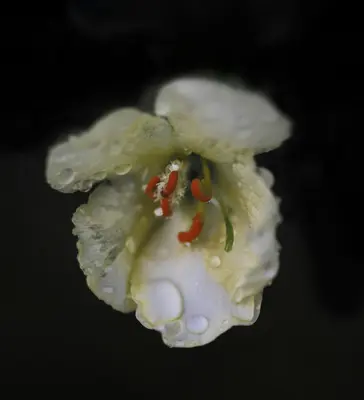
This cheerful native perennial produces masses of bright yellow daisy-like flowers with distinctive notched petals from spring through fall. Lanceleaf coreopsis is incredibly easy to grow and drought tolerant, making it perfect for beginner gardeners and low-maintenance landscapes. Its long blooming period and excellent cut flower qualities have made it a staple in cottage gardens and prairie restorations.
Sun
Full sun to partial shade
Zones
4–9
USDA hardiness
Height
1-3 feet
Planting Timeline
Showing dates for Lanceleaf Coreopsis in USDA Zone 7
All Zone 7 native-wildflower →Zone Map
Click a state to update dates
Lanceleaf Coreopsis · Zones 4–9
Growing Details
Complete Growing Guide
Light: Full sun (6 or more hours of direct sunlight a day), Partial Shade (Direct sunlight only part of the day, 2-6 hours). Soil: Loam (Silt), Sand, Shallow Rocky. Soil pH: Acid (<6.0), Neutral (6.0-8.0). Drainage: Good Drainage, Moist, Occasionally Dry. Height: 1 ft. 0 in. - 3 ft. 0 in.. Spread: 1 ft. 0 in. - 2 ft. 0 in.. Spacing: 12 inches-3 feet. Growth rate: Rapid. Maintenance: Low, Medium. Propagation: Division, Seed. Regions: Coastal, Mountains, Piedmont.
Harvesting
Seeds are cypselae, commonly lacking pappus awns associated with tickseeds that adhere to fibers & skin. Displays from May to July.
Type: Achene. Length: < 1 inch. Width: < 1 inch.
Harvest time: Summer
Storage & Preservation
Lanceleaf coreopsis flowers are best enjoyed fresh and should be kept in cool conditions. Store cut stems in a vase of cool water at room temperature (65-72°F) away from direct sunlight and ripening fruit. Change water every 2-3 days for a vase life of 7-10 days. For seed preservation, allow flowers to mature on the plant, collect seed heads in late summer/fall, dry completely, and store seeds in airtight containers in a cool, dry place for 2-3 years. Pressed flowers can be preserved between book pages for 2-4 weeks. For long-term garden propagation, allow self-seeding or collect and refrigerate seeds over winter before spring planting.
History & Origin
Origin: Southeastern Canada to south Central U.S.A
Advantages
- +Attracts: Bees, Butterflies, Pollinators, Predatory Insects, Songbirds
- +Fast-growing
- +Low maintenance
Companion Plants
The native prairie companions in our database — Black-eyed Susan (Rudbeckia hirta), Purple Coneflower (Echinacea purpurea), Blanket Flower (Gaillardia), and Butterfly Milkweed (Asclepias tuberosa) — pair well with Lanceleaf Coreopsis because they share the same basic needs: full sun, lean to average soil, and good drainage. None of them are heavy feeders competing for the same nutrients, and their bloom times stagger from late spring through late summer, which keeps pollinators moving through the planting consistently rather than peaking and dropping off all at once. Little Bluestem Grass and Prairie Dropseed add structure without creating problems — their fine-textured clumps fill gaps without shading out the coreopsis, and their roots run somewhat deeper, so there's less direct competition right at the 6-8 inch zone where coreopsis feeds.
Walnut trees are a hard no. Black walnut (Juglans nigra) produces juglone, an allelopathic compound that persists in the soil well beyond the tree's drip line — NC State Extension puts the risk zone at the full spread of the root system, which regularly exceeds the canopy edge. Aggressive grasses like Bermudagrass are a slower problem: they don't produce any chemical toxin, but they'll thread rhizomes through the coreopsis crown within a single growing season and physically crowd it out. Mint does the same thing via above-ground runners — keep it confined to a container if you want it anywhere near this planting.
Plant Together
Purple Coneflower
Shares similar growing conditions and attracts complementary pollinators
Black-eyed Susan
Compatible native wildflower with similar water and soil needs
Wild Bergamot
Attracts beneficial insects and provides natural pest deterrent
Little Bluestem Grass
Provides structural support and creates natural prairie ecosystem
Blanket Flower
Similar drought tolerance and extends blooming season
Prairie Dropseed
Native grass that complements without competing for nutrients
Yarrow
Attracts beneficial predatory insects that control pests
Butterfly Milkweed
Attracts butterflies and has complementary orange blooms
Keep Apart
Walnut Trees
Releases juglone toxin that inhibits growth of many wildflowers
Aggressive Grasses
Compete heavily for water and nutrients, can crowd out wildflowers
Mint
Spreads aggressively through runners and can overwhelm native plants
Pests & Disease Resistance
Resistance
Excellent disease resistance
Common Pests
Generally pest-free, occasional aphids
Diseases
Crown rot in poorly drained soils
Troubleshooting Lanceleaf Coreopsis
What you'll see, why it happens, and what to do about it.
Crowns rotting at soil level, plants collapsing after a wet stretch
Likely Causes
- Crown rot caused by Sclerotinia or Phytophthora spp. — triggered by waterlogged, poorly drained soil
- Planting too deep, burying the crown below grade
What to Do
- 1.Dig up survivors, cut away rotted tissue, and replant in a raised bed or amended site with at least 2-3 inches of coarse sand or grit worked into the top 8 inches
- 2.Never let water pool at the base — if your site stays wet more than 24 hours after rain, this plant will keep struggling there
- 3.Plant the crown at or just above grade, not below it
Soft, clustered insects on new growth tips, leaves curling inward in late spring
Likely Causes
- Aphid colonies (commonly Aphis helianthi or related species) — they congregate on tender tissue and reproduce fast in warm, dry spells
What to Do
- 1.Knock them off with a firm spray of water from a garden hose — do this in the morning so foliage dries before evening
- 2.If the infestation persists after 3-4 days, apply insecticidal soap directly to the colonies; avoid spraying open flowers where pollinators are foraging
- 3.Check for ant activity nearby — ants farm aphids and will actively move them to new growth, undermining your control efforts
Plant flowers heavily in year one, then produces almost no blooms in year two
Likely Causes
- Clump overcrowding — Coreopsis lanceolata spreads by rhizome and the center of an established clump dies out within 2-3 years if never divided
- Failure to deadhead, which signals the plant to stop producing new buds once seed set begins
What to Do
- 1.Divide clumps every 2-3 years in early spring before growth resumes — discard the woody center, replant the vigorous outer divisions 12-15 inches apart
- 2.Deadhead spent flowers consistently through the bloom season to extend flowering by 4-6 weeks
Seedlings emerge but turn pale green or yellow within two weeks of germination
Likely Causes
- Soil pH above 7.5, locking out iron and manganese
- Overwatering young seedlings in heavy clay — roots suffocate and can't take up nutrients even if they're present
What to Do
- 1.Test your soil pH; if it reads above 7.5, work in elemental sulfur at the rate on the package label and retest in 6-8 weeks
- 2.Let the top inch of soil dry out between waterings once seedlings have their first set of true leaves — Coreopsis lanceolata is drought-tolerant once established and doesn't want to sit wet
- 3.If you're starting in containers, use a lean, well-draining mix rather than a peat-heavy seed-starting blend
Frequently Asked Questions
How long do lanceleaf coreopsis flowers bloom?▼
Is lanceleaf coreopsis good for beginner gardeners?▼
Can you grow lanceleaf coreopsis in containers?▼
When should I plant lanceleaf coreopsis?▼
How much sun does lanceleaf coreopsis need?▼
Why is lanceleaf coreopsis good for cut flowers?▼
Zone-by-Zone Planting Calendar
Growing Guides from Wind River Greens
Sources & References
External authority sources used in compiling this guide.
- ExtensionNC State Extension
See the Methodology page for how this data is sourced, what's AI-assisted, and known limitations.