Butterfly Weed
Asclepias tuberosa
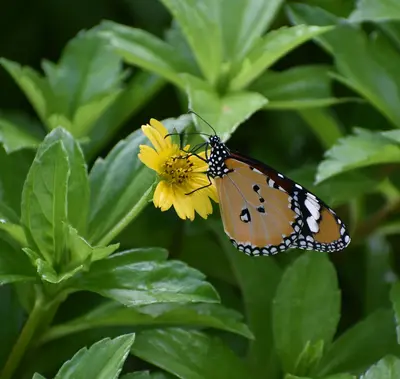
Attracts butterflies and bees. Grows well in arid soils. Also known as milkweed, butterfly weed, butterfly milkweed, and butterfly-weed. Medicinal: Roots are a respiratory expectorant and diaphoretic. Perennial in Zones 4-9.
Harvest
365d
Days to harvest
Sun
Full sun to partial shade
Zones
3–9
USDA hardiness
Height
12-24 inches
Planting Timeline
Showing dates for Butterfly Weed in USDA Zone 7
All Zone 7 native-wildflower →Zone Map
Click a state to update dates
Butterfly Weed · Zones 3–9
Growing Details
Complete Growing Guide
Light: Full sun (6 or more hours of direct sunlight a day), Partial Shade (Direct sunlight only part of the day, 2-6 hours). Soil: Clay, Loam (Silt), Sand, Shallow Rocky. Drainage: Good Drainage, Moist, Occasionally Dry. Height: 1 ft. 0 in. - 2 ft. 0 in.. Spread: 1 ft. 0 in. - 1 ft. 6 in.. Spacing: 12 inches-3 feet. Growth rate: Slow. Maintenance: Low. Propagation: Root Cutting, Seed. Regions: Coastal, Mountains, Piedmont.
Harvesting
Dehiscent 4- to 5-inch, spindle-shaped follicle seed pods release silky-tailed seeds, which are dispersed by wind. Displays from August to September
Color: Gray/Silver, Green. Type: Capsule, Follicle. Length: > 3 inches. Width: 1-3 inches.
Garden value: Good Dried, Showy
Harvest time: Fall
Storage & Preservation
Butterfly weed is not a culinary plant and should not be consumed. For ornamental and medicinal purposes, dry flowers and seed pods at room temperature (65-75°F) in a low-humidity environment. Store dried materials in airtight glass containers away from light and moisture. Dried flowers and roots maintain potency for 1-2 years when properly stored. For medicinal root preparations, harvest in fall, clean, and dry completely before storage. Seeds can be collected and stored in cool, dry conditions for 2-3 years.
History & Origin
Origin: Eastern and southern United States
Advantages
- +Attracts: Bees, Butterflies, Hummingbirds, Moths, Pollinators, Specialized Bees
- +Low maintenance
Considerations
- -Toxic (Flowers, Fruits, Leaves, Roots, Sap/Juice, Stems): Low severity
- -Causes contact dermatitis
Companion Plants
Purple Coneflower (Echinacea purpurea), Black-Eyed Susan (Rudbeckia hirta), and Wild Bergamot bloom on a staggered schedule that keeps monarchs and fritillaries cycling through the same patch from May into October — and in our zone 7 Georgia garden, that unbroken nectar window is what actually holds migrating monarchs long enough to matter. Little Bluestem and Prairie Dropseed add structure without fighting for the same water, since butterfly weed's taproot drops 12–18 inches while the grasses feed shallow. Keep Crown Vetch and Tall Fescue out entirely — both spread by rhizome and will physically smother the crown before the taproot has a chance to anchor in its first two seasons.
Plant Together
Purple Coneflower
Shares similar growing conditions and attracts complementary pollinators, extending bloom season
Black-Eyed Susan
Similar drought tolerance and soil requirements, creates attractive color contrast and supports diverse pollinators
Little Bluestem Grass
Provides structural support and wind protection while sharing similar native prairie conditions
Wild Bergamot
Attracts beneficial insects and pollinators, has similar water and soil requirements
Goldenrod
Blooms later in season extending pollinator resources, thrives in similar dry conditions
Prairie Dropseed
Native grass companion that provides natural mulching and erosion control without competing for nutrients
Yarrow
Attracts beneficial predatory insects that control pests, tolerates similar dry conditions
Wild Lupine
Fixes nitrogen in soil benefiting nearby plants, attracts different pollinator species
Keep Apart
Crown Vetch
Aggressive spreader that can outcompete and smother native wildflowers
Autumn Olive
Invasive shrub that creates shade and competes for water and nutrients
Tall Fescue
Non-native grass that forms dense clumps and releases allelopathic compounds inhibiting wildflower growth
Pests & Disease Resistance
Resistance
Very disease resistant, adapted to harsh conditions
Common Pests
Aphids (beneficial as they don't seriously harm plant and attract predators), milkweed bugs
Diseases
Rarely affected by diseases in well-drained soils
Troubleshooting Butterfly Weed
What you'll see, why it happens, and what to do about it.
Dense orange aphid colonies coating new stem growth in spring
Likely Causes
- Oleander aphids (Aphis nerii) — a milkweed specialist that shows up reliably every year
- No predator population established yet early in the season
What to Do
- 1.Leave them alone for 2 weeks — ladybeetles and parasitic wasps will find them, and the plant won't be seriously damaged
- 2.If the infestation is on a single stem and looks out of hand, knock them off with a hard blast of water rather than spraying anything
- 3.Don't use broad-spectrum insecticides; you'll kill the predators and the monarchs along with the aphids
Plant fails to emerge in its second or third spring after a wet winter
Likely Causes
- Root rot from standing water — Asclepias tuberosa has a deep taproot that's extremely sensitive to poorly drained soil
- Planting in heavy clay without amendment
What to Do
- 1.Dig up the crown in fall if you suspect waterlogging; healthy tubers are firm and pale, rotted ones are soft and brown
- 2.Move the plant to a raised bed or a slope where water drains off within an hour of rain
- 3.Amend planting sites with coarse sand or fine gravel before replanting — fast drainage matters more than fertility here
Large milkweed bugs (Oncopeltus fasciatus) clustered on seed pods in late summer, pods failing to fill
Likely Causes
- Large milkweed bug nymphs and adults piercing developing seeds inside the pods
- High local populations building through August in warm-season gardens
What to Do
- 1.Hand-pick bugs into soapy water if you want to collect and save seed — otherwise, they won't kill the plant
- 2.Harvest seed pods before they fully split open, roughly 55–65 days after flowering, to get ahead of heavy feeding
- 3.Accept some loss — milkweed bugs are native insects and part of the system this plant supports
Frequently Asked Questions
How long does it take butterfly weed to bloom?▼
Is butterfly weed good for beginners?▼
Can you grow butterfly weed in containers?▼
What does butterfly weed taste like?▼
When should I plant butterfly weed seeds?▼
Does butterfly weed attract pollinators?▼
Zone-by-Zone Planting Calendar
Growing Guides from Wind River Greens
Sources & References
External authority sources used in compiling this guide.
- ExtensionNC State Extension
See the Methodology page for how this data is sourced, what's AI-assisted, and known limitations.