Chantilly™ Light Salmon
Antirrhinum majus
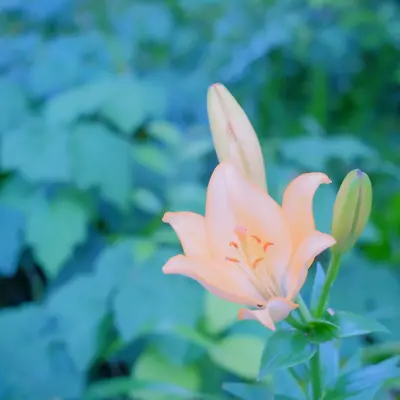
Group 1-2: Performs best under short days and low temperatures. Because Chantilly snapdragons are bred for short-day production, long-day growing conditions produce stems that are thin and weak. We do not recommend this variety for long-day production. Suitable for greenhouse or in the field. Bloom color is light salmon-peach. Edible Flowers: The flowers are a colorful garnish for use in salads, desserts, and drinks. The flavor is floral and slightly bitter, so use sparingly.
Harvest
100-110d
Days to harvest
Sun
Full sun to partial shade
Zones
7–10
USDA hardiness
Height
0-3 feet
Planting Timeline
Showing dates for Chantilly™ Light Salmon in USDA Zone 7
All Zone 7 flower →Zone Map
Click a state to update dates
Chantilly™ Light Salmon · Zones 7–10
Growing Details
Succession Planting
Start seeds indoors 10-12 weeks before your last frost date — that's late January to early February for zone 7. Sow a second tray 3 weeks after the first to stagger bloom time through spring. Chantilly snapdragons drop flower production sharply once daytime highs hold above 85°F, so sowing after late April in most zones is wasted effort. Cut spent spikes back to 6 inches in midsummer instead; when temperatures fall back below 80°F in September, the plant will push a second flush on its own.
Complete Growing Guide
Group 1-2: Performs best under short days and low temperatures. Because Chantilly snapdragons are bred for short-day production, long-day growing conditions produce stems that are thin and weak. We do not recommend this variety for long-day production. Suitable for greenhouse or in the field. Bloom color is light salmon-peach. Edible Flowers: The flowers are a colorful garnish for use in salads, desserts, and drinks. The flavor is floral and slightly bitter, so use sparingly. According to Johnny's Selected Seeds, Chantilly™ Light Salmon is 100 - 110 days to maturity, annual, hybrid (f1). Notable features: Greenhouse Performer, Use for Cut Flowers and Bouquets, Edible Flowers, Fragrant.
Light: Full sun (6 or more hours of direct sunlight a day), Partial Shade (Direct sunlight only part of the day, 2-6 hours). Soil: High Organic Matter. Drainage: Good Drainage. Height: 0 ft. 6 in. - 3 ft. 0 in.. Spread: 0 ft. 6 in. - 0 ft. 10 in.. Spacing: Less than 12 inches. Growth rate: Medium. Maintenance: Medium.
Harvesting
Chantilly™ Light Salmon reaches harvest at 100 - 110 days from sowing per Johnny's Selected Seeds. As an annual, harvest continues until frost ends the season.
A capsule, half hidden by calyx lobes, short-beaked.
Type: Capsule. Length: 1-3 inches.
Storage & Preservation
**Fresh Storage**: Cut snapdragon spikes last 10-14 days in a clean vase filled with room-temperature water and flower food. Change water every 2-3 days. Edible blooms are more delicate—store in a shallow, airtight container lined with paper towels on a refrigerator shelf (34-40°F) for up to 3 days; they wilt quickly once harvested.
**Preservation Methods** Snapdragon flowers dry exceptionally well. Hang-dry whole stems in a warm, dark, well-ventilated space (70-75°F, low humidity) for 2-3 weeks. Once dry, they retain color and structure for months and work beautifully in dried arrangements. For edible blooms intended for decoration, freeze individual flowers on parchment paper, then store in freezer bags (up to 3 months)—they're best used as garnish immediately after thawing, as texture degrades. Candying is also an option: brush blooms with egg white, coat lightly with superfine sugar, and air-dry on parchment paper for 24 hours for a decorative, edible finish.
History & Origin
Chantilly™ Light Salmon is an F1 hybrid developed through controlled cross-pollination. Listed in the Johnny's Selected Seeds catalog.
Origin: Southwestern Europe
Advantages
- +Beautiful light salmon-peach blooms ideal for floral arrangements and displays
- +Edible flowers add unique colorful garnish to salads and desserts
- +Easy to grow with minimal difficulty for most gardeners
- +Performs reliably in both greenhouse and field production settings
- +Relatively quick maturation at 100-110 days to flowering
Considerations
- -Not suitable for long-day production; requires short days and cool temperatures
- -Long-day conditions produce weak, thin stems unsuitable for commercial use
- -Floral flavor is bitter; requires sparkling use in edible applications
Companion Plants
Marigolds (especially Tagetes patula) repel aphids and whiteflies through both root exudates and foliage chemistry — they're doing real chemical work, not just standing there. Sweet alyssum draws in hoverflies whose larvae are effective aphid predators, so it earns its 6-inch strip along the bed edge. Nasturtiums pull aphid pressure away from the Chantilly by being a more attractive target — a legitimate trap-crop role. Skip sunflowers: they're allelopathic, their roots release compounds that stunt smaller annuals nearby, and at 5-6 feet tall they'll shade out a snapdragon that needs 4-6 hours of direct sun to bloom well.
Plant Together
Marigolds
Repel aphids, whiteflies, and nematodes while attracting beneficial insects
Sweet Alyssum
Attracts beneficial insects like lacewings and provides ground cover
Nasturtiums
Act as trap crops for aphids and cucumber beetles, drawing pests away
Lobelia
Provides complementary blue color and similar growing requirements
Petunias
Repel aphids, tomato hornworms, and other garden pests
Catnip
Repels mosquitoes, ants, and aphids while attracting beneficial pollinators
Zinnia
Attracts beneficial insects and butterflies, similar care requirements
Cosmos
Attracts beneficial insects and provides height variation in garden design
Keep Apart
Black Walnut
Produces juglone toxin that stunts growth and can kill sensitive plants
Eucalyptus
Releases allelopathic compounds that inhibit growth of nearby plants
Sunflowers
Can release allelopathic chemicals and compete aggressively for nutrients and water
Pests & Disease Resistance
Common Pests
Spider mites, aphids, whiteflies (especially in warm, dry conditions)
Diseases
Root rot (from overwatering), rust, powdery mildew (in cool, humid conditions)
Troubleshooting Chantilly™ Light Salmon
What you'll see, why it happens, and what to do about it.
Fine webbing on undersides of leaves, with stippled or silvery-bronze discoloration across the foliage
Likely Causes
- Spider mite (Tetranychus urticae) infestation — thrives when temperatures climb above 80°F and humidity drops
- Dusty, dry conditions that favor mite reproduction
What to Do
- 1.Blast the undersides of leaves with a strong stream of water every 2-3 days to knock mites off
- 2.Apply insecticidal soap or neem oil at dusk — full coverage on leaf undersides is what matters
- 3.Move susceptible plants out of hot, dry microclimates if you can; mites slow down when humidity rises
Orange or rust-colored pustules on the undersides of leaves, with yellowing on the upper surface directly above
Likely Causes
- Antirrhinum rust (Puccinia antirrhini) — a fungal disease specific to snapdragons, spreads via airborne spores
- Overhead watering or prolonged leaf wetness that lets spores germinate
What to Do
- 1.Remove and bag infected leaves immediately — don't compost them
- 2.Switch to drip irrigation or water at the base to keep foliage dry
- 3.Apply a sulfur-based fungicide on a 7-10 day schedule if the infection is spreading; don't spray when temps are above 90°F or you'll burn the plant
White powdery coating on upper leaf surfaces, usually appearing in fall or during cool, humid stretches
Likely Causes
- Powdery mildew (Erysiphe cichoracearum) — spreads fastest in moderate temps (60-80°F) with high humidity and poor airflow, not during the hottest part of summer
- Overcrowded planting at less than 6-inch spacing that traps moisture between plants
What to Do
- 1.Thin or space plants to at least 6 inches apart to get air moving through the bed
- 2.Spray with a diluted baking soda solution (1 tablespoon per gallon of water) or a potassium bicarbonate fungicide at first sign
- 3.Water in the morning so foliage dries before nightfall — wet leaves going into a cool night accelerate spread fast
Frequently Asked Questions
How long does Chantilly Light Salmon snapdragon take to grow from seed to flower?▼
Can you grow Chantilly Light Salmon snapdragons outdoors in a garden?▼
Are Chantilly Light Salmon snapdragon flowers really edible?▼
Why does my Chantilly Light Salmon snapdragon have weak, thin stems?▼
How long do cut stems of Chantilly Light Salmon snapdragons last in a vase?▼
Is Chantilly Light Salmon a good snapdragon variety for beginners?▼
Zone-by-Zone Planting Calendar
| Zone | Indoor Start | Transplant | Direct Sow | Harvest |
|---|---|---|---|---|
| Zone 1 | May – June | July – August | July – September | — |
| Zone 2 | April – May | June – July | June – August | — |
| Zone 11 | January – January | January – February | January – March | — |
| Zone 12 | January – January | January – February | January – March | — |
| Zone 13 | January – January | January – February | January – March | — |
| Zone 3 | April – May | June – July | June – August | — |
| Zone 4 | March – April | June – June | June – July | — |
| Zone 5 | March – April | May – June | May – July | — |
| Zone 6 | March – April | May – June | May – July | — |
| Zone 7 | February – March | April – May | April – June | — |
| Zone 8 | February – March | April – May | April – June | — |
| Zone 9 | January – February | March – April | March – May | — |
| Zone 10 | January – January | February – March | February – April | — |
Growing Guides from Wind River Greens
Sources & References
External authority sources used in compiling this guide.
- BreederJohnny's Selected Seeds
See the Methodology page for how this data is sourced, what's AI-assisted, and known limitations.