Lavender Hidcote
Lavandula angustifolia 'Hidcote'
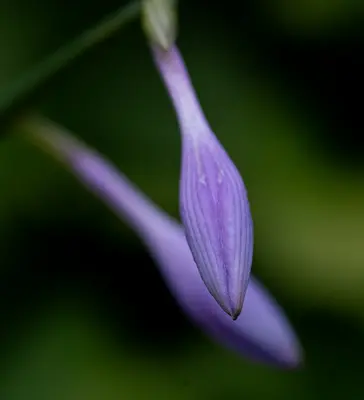
A compact English lavender variety beloved for its intensely fragrant, deep purple flower spikes and silvery-gray foliage that creates perfect low hedges or border plantings. This hardy perennial blooms repeatedly throughout summer, attracting beneficial pollinators while providing endless harvests for culinary and craft uses. Exceptionally drought-tolerant once established, making it perfect for water-wise gardens.
Harvest
90-120d
Days to harvest
Sun
Full sun to partial shade
Zones
5–9
USDA hardiness
Height
12-24 inches
Planting Timeline
Showing dates for Lavender Hidcote in USDA Zone 7
All Zone 7 flower →Zone Map
Click a state to update dates
Lavender Hidcote · Zones 5–9
Growing Details
Complete Growing Guide
Lavender Hidcote thrives in lean, well-draining soil and actually performs poorly in rich, overly fertile conditions that encourage leggy growth and reduced flowering. Plant in full sun (minimum six hours daily) and ensure excellent drainage to prevent root rot, its primary vulnerability in humid climates. This compact cultivar blooms reliably from June through September if deadheaded regularly, though unlike some lavenders, Hidcote rarely bolts or stretches excessively when properly sited. Water deeply at planting, then reduce frequency significantly once established—overwatering is far more problematic than drought stress. For pest management, spider mites occasionally trouble stressed plants in hot, dry conditions despite drought tolerance; improved air circulation and occasional misting resolves this. A practical tip: prune lightly in early spring before growth emerges, removing only dead wood and shaping the crown, which maintains density and prevents the bare, woody centers common in unmanaged lavender plantings.
Light: Full sun (6 or more hours of direct sunlight a day), Partial Shade (Direct sunlight only part of the day, 2-6 hours). Soil: Loam (Silt), Sand, Shallow Rocky. Soil pH: Alkaline (>8.0), Neutral (6.0-8.0). Drainage: Good Drainage. Height: 1 ft. 0 in. - 2 ft. 0 in.. Spread: 2 ft. 0 in. - 3 ft. 0 in.. Spacing: 12 inches-3 feet. Growth rate: Medium. Maintenance: Low. Propagation: Division, Seed, Stem Cutting. Regions: Coastal, Mountains, Piedmont.
Harvesting
Lavender Hidcote reaches peak harvest readiness when the deep purple flowers have fully emerged along the spike but before they begin to fade or drop, typically when approximately seventy to eighty percent of the florets have opened. The flower stems should feel firm and slightly waxy to the touch, and the fragrance will be at its most intense during this window. For continuous harvests throughout the growing season, deadhead spent flowers regularly to encourage reblooming rather than attempting a single bulk harvest. Timing your cuts in early morning after dew has dried but before afternoon heat will maximize essential oil content and fragrance intensity, resulting in superior quality for both culinary applications and dried arrangements.
Fruits are non-ornamental nutlets.
Type: Capsule.
Storage & Preservation
Fresh lavender stems last 7-10 days when placed in water like cut flowers, though their peak fragrance diminishes after 3-4 days. For culinary use, wrap fresh stems in slightly damp paper towels and refrigerate for up to one week.
Drying is the most popular preservation method—bundle 8-12 stems together with rubber bands and hang upside down in a warm, dry, well-ventilated area away from direct sunlight. Properly dried Hidcote retains its deep purple color and intense fragrance for 12-18 months. Once completely dry (stems snap rather than bend), strip buds from stems and store in airtight glass jars.
For culinary applications, freeze-dry lavender by laying clean flower heads on parchment-lined trays in the freezer for 24 hours, then store in freezer bags for up to two years. You can also create lavender-infused oils by covering fresh flowers with carrier oil and allowing them to infuse for 4-6 weeks in a cool, dark location.
History & Origin
Originating from the English Hidcote Manor Garden in Gloucestershire during the mid-twentieth century, this cultivar emerged from the traditional English lavender breeding lines focused on developing compact, highly fragrant ornamental varieties. While precise documentation of its original breeder remains elusive in horticultural records, 'Hidcote' represents a significant selection within Lavandula angustifolia breeding programs that prioritized deep purple coloration, exceptional fragrance, and dwarf growth habits. The variety became widely distributed through British and European nurseries, eventually establishing itself as a standard cultivar in lavender commerce. Its heritage reflects post-war British gardening traditions emphasizing low-maintenance perennials for domestic landscapes.
Origin: Mediterranean region France, Italy, Spain
Advantages
- +Intensely fragrant deep purple flowers perfect for harvesting and crafting
- +Compact growth habit makes excellent low hedges and border plantings
- +Exceptionally drought-tolerant once established, ideal for water-wise gardens
- +Easy to grow with minimal pest and disease problems
- +Repeatedly blooms throughout summer, attracting beneficial pollinators continuously
Considerations
- -Requires well-drained soil; prone to root rot in wet conditions
- -Susceptible to fungal diseases in humid or poorly ventilated areas
- -Compact size limits flower production compared to larger lavender varieties
Companion Plants
Lavender's most reliable companions are the other Mediterranean herbs — rosemary, thyme, sage, and oregano. The reason isn't folklore; it's shared cultural requirements. All of them want full sun, lean soil, a pH near 7.0, and almost no supplemental water once established. Planting them together means you're not making awkward compromises in irrigation or soil amendment. Sedum works on the same logic: drought-tolerant, happy in well-drained ground, and its shallow root system doesn't crowd lavender's deeper woody base. Catmint (Nepeta spp.) blooms on a similar schedule and draws in predatory wasps and bees that move between both plants — useful if you're growing lavender near a vegetable garden.
Roses are a pairing worth taking seriously. The lavender's volatile oils — primarily linalool and camphor — are thought to interfere with aphid host-location, which matters because aphids are the rose's most persistent pest. Marigolds (Tagetes spp.) along the bed edge add another layer of nematode suppression in the soil. Neither companion requires any extra water to stay happy alongside lavender, which is the real test.
The harmful companions fail for one consistent reason: water demand. Mint, impatiens, and hostas all want consistently moist to wet conditions. If you're irrigating to keep impatiens alive through a dry stretch, you're overwatering the lavender's crown at the same time. That's how you get Phytophthora root rot on a plant that would otherwise shrug off neglect for years. Put them in separate beds with separate water budgets.
Plant Together
Rosemary
Similar growing conditions and both repel pests like mosquitoes and moths
Thyme
Complementary Mediterranean herbs that attract beneficial pollinators
Sage
Same drought tolerance and helps deter cabbage moths and carrot flies
Marigolds
Repel nematodes and aphids while attracting beneficial insects
Roses
Lavender deters aphids and ants that damage roses
Oregano
Similar sun and soil requirements, both attract beneficial pollinators
Catmint
Repels rodents and mosquitoes, similar growing conditions
Sedum
Drought-tolerant succulent that complements lavender's water needs
Keep Apart
Mint
Aggressive spreader that competes for space and nutrients
Impatiens
Requires frequent watering which can cause root rot in lavender
Hostas
Needs shade and moist soil, opposite of lavender's sun and dry soil needs
Pests & Disease Resistance
Resistance
Excellent disease resistance when grown in proper drainage
Common Pests
Aphids, spittlebugs, whiteflies (rarely problematic)
Diseases
Root rot in poorly drained soils, fungal issues in humid conditions
Troubleshooting Lavender Hidcote
What you'll see, why it happens, and what to do about it.
Stems rotting at the base, plant wilting despite moist soil — often noticed in spring after a wet winter
Likely Causes
- Root rot (Phytophthora or Pythium spp.) from waterlogged or clay-heavy soil
- Planting too deep, burying the woody crown
What to Do
- 1.Dig the plant and inspect roots — cut away any black, mushy sections with clean shears, then replant in a raised bed amended with coarse grit or pea gravel
- 2.If the site stays wet, don't fight it — move the plant to a spot with natural slope or a raised berm; lavender wants soil pH around 6.5–7.5 and drainage above everything else
- 3.Top-dress around the crown with gravel mulch (not bark mulch, which holds moisture) to keep water moving away from the stem
White foamy masses on stems in early summer, plant looks otherwise healthy
Likely Causes
- Spittlebugs (Philaenus spumarius) — the nymph hides in that foam and feeds on stem sap
What to Do
- 1.Knock the foam off with a hard spray of water; that's usually enough to dislodge the nymphs
- 2.If populations are heavy across multiple plants, cut back affected stems after bloom and bin the cuttings — don't compost them
- 3.Spittlebugs rarely cause serious damage on established plants, so hold off on insecticide unless you're seeing actual dieback
Plant becomes woody and hollow in the center, producing fewer blooms after year 3 or 4
Likely Causes
- Normal woody senescence — Lavandula angustifolia 'Hidcote' is a shrubby perennial that collapses inward without annual pruning
- Skipping the post-bloom cutback every year
What to Do
- 1.Each year after the first flush of bloom, cut stems back by about one-third — no further than where you can still see green leaf nodes, or you'll cut into dead wood that won't regenerate
- 2.Don't attempt a hard renovation cut all at once on a plant neglected for several years; take it back in stages over two seasons
- 3.If the center is completely dead with no green growth visible, take 4-inch stem cuttings in late summer and start fresh — the parent plant won't recover
Frequently Asked Questions
How long does Lavender Hidcote take to bloom from planting?▼
Can you grow Lavender Hidcote in containers?▼
When should I prune Lavender Hidcote?▼
Is Lavender Hidcote good for cooking?▼
What's the difference between Hidcote and Munstead lavender?▼
Why is my Lavender Hidcote turning brown and dying?▼
Zone-by-Zone Planting Calendar
| Zone | Indoor Start | Transplant | Direct Sow | Harvest |
|---|---|---|---|---|
| Zone 1 | May – June | July – August | July – September | — |
| Zone 2 | April – May | June – July | June – August | — |
| Zone 11 | January – January | January – February | January – March | — |
| Zone 12 | January – January | January – February | January – March | — |
| Zone 13 | January – January | January – February | January – March | — |
| Zone 3 | April – May | June – July | June – August | — |
| Zone 4 | March – April | June – June | June – July | — |
| Zone 5 | March – April | May – June | May – July | — |
| Zone 6 | March – April | May – June | May – July | — |
| Zone 7 | February – March | April – May | April – June | — |
| Zone 8 | February – March | April – May | April – June | — |
| Zone 9 | January – February | March – April | March – May | — |
| Zone 10 | January – January | February – March | February – April | — |