Tower Blue
Callistephus chinensis
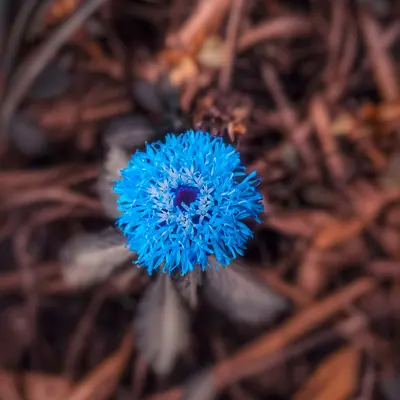
All the elegance and beauty of peonies and garden mums in an easy-to-grow annual. Deep silvery violet-colored blooms avg. 2-3" with 13-20 stems per plant. Tower features uniform bloom time and plant height across the series and mix. Also known as summer aster.
Harvest
110-120d
Days to harvest
Sun
Full sun to partial shade
Zones
2–11
USDA hardiness
Height
1-3 feet
Planting Timeline
Showing dates for Tower Blue in USDA Zone 7
All Zone 7 flower →Zone Map
Click a state to update dates
Tower Blue · Zones 2–11
Growing Details
Succession Planting
Tower Blue takes 110-120 days from seed to bloom, so the spacing between sowings matters more than with fast crops. In zone 7, start the first tray indoors in late February, a second in mid-March, and put a third round of seeds directly in the ground around mid-April — that staggering spreads bloom windows by roughly 3-4 weeks each. Stop direct sowing by early June; anything started after that will hit its flowering window when daytime highs are consistently above 85°F, which shortens stem length and cuts vase life noticeably.
Don't count on a fall flush from late-summer direct sowing in zone 7 — Callistephus chinensis needs enough warm weeks to establish before cool nights arrive, and the math rarely works out before first frost. In zones 9-11, a mid-July indoor start can produce fall blooms, but zone 7 growers are better off putting that energy into spring successions.
Complete Growing Guide
All the elegance and beauty of peonies and garden mums in an easy-to-grow annual. Deep silvery violet-colored blooms avg. 2-3" with 13-20 stems per plant. Tower features uniform bloom time and plant height across the series and mix. Also known as summer aster. According to Johnny's Selected Seeds, Tower Blue is 110 - 120 days to maturity, annual, open pollinated. Notable features: Use for Cut Flowers and Bouquets.
Light: Full sun (6 or more hours of direct sunlight a day), Partial Shade (Direct sunlight only part of the day, 2-6 hours). Soil: Clay, High Organic Matter, Loam (Silt), Sand. Soil pH: Acid (<6.0), Neutral (6.0-8.0). Drainage: Good Drainage, Moist. Height: 1 ft. 0 in. - 3 ft. 0 in.. Spread: 1 ft. 0 in. - 1 ft. 6 in.. Spacing: Less than 12 inches. Growth rate: Rapid. Maintenance: Medium. Regions: Coastal, Mountains, Piedmont.
Harvesting
Tower Blue reaches harvest at 110 - 120 days from sowing per Johnny's Selected Seeds. Expect 2-3" at peak. As an annual, harvest continues until frost ends the season.
The fruit is a rough-textured, glandular, purple-mottled cypsela that turns gray with age.
Storage & Preservation
For fresh storage, place Tower Blue cut flowers in a clean vase with cool water (65-72°F) in a cool location away from direct sunlight and ripening fruit. Change water every 2-3 days and trim stems at an angle. Shelf life is typically 10-14 days. For preservation: (1) Air dry by hanging bundles upside down in a cool, dark, well-ventilated area for 2-3 weeks for dried arrangements. (2) Press flowers between parchment paper under heavy books for 2-3 weeks to create decorative pressed specimens. (3) Glycerin preservation involves placing stems in a glycerin and water solution (1:2 ratio) for 2-3 weeks to maintain color while extending vase life significantly.
History & Origin
Tower Blue is open-pollinated, meaning seed saved from healthy plants will produce true-to-type offspring. Listed in the Johnny's Selected Seeds catalog.
Origin: China and Southern Russia
Advantages
- +Deep silvery violet blooms offer sophisticated color rarely seen in annuals
- +Produces 13-20 stems per plant for abundant cutting garden harvests
- +Easy-to-grow annual requires minimal expertise or special care techniques
- +Uniform bloom time and height simplify garden planning and design
- +Peony-like 2-3 inch flowers deliver elegant appearance in summer gardens
Considerations
- -110-120 day maturity requires early sowing for bloom before frost
- -Silvery violet color may fade or appear washed out in intense heat
- -Susceptible to powdery mildew and aster yellows virus in humid climates
- -May require staking or support as stems grow tall and laden
Companion Plants
Marigolds (Tagetes patula specifically) earn their spot next to Tower Blue because their root secretions suppress soil nematodes and the blooms pull in aphid-eating hoverflies. Sweet alyssum works the same insect angle at 6-8 inches tall — parasitic wasps and hoverflies use it as a pit stop — without crowding roots. Cosmos and zinnias are safe at 18+ inches; they fill space and don't compete hard. Black walnut is the one to cut wide around: juglone leaches through the root zone and soil, and Callistephus is sensitive enough that even plants 30-40 feet from the trunk can show stunting. Eucalyptus causes the same kind of allelopathic damage through leaf litter and root exudates.
Plant Together
Marigolds
Repel aphids, whiteflies, and nematodes while attracting beneficial insects
Sweet Alyssum
Attracts beneficial insects like lacewings and provides ground cover
Nasturtiums
Act as trap crops for aphids and cucumber beetles, drawing pests away
Petunias
Repel aphids, tomato hornworms, and squash bugs with natural compounds
Cosmos
Attract beneficial pollinators and predatory insects while providing height contrast
Zinnias
Attract butterflies, bees, and beneficial predatory insects
Lavender
Repels moths, fleas, and mosquitoes while attracting pollinators
Catmint
Deters aphids, ants, and rodents while attracting beneficial pollinators
Keep Apart
Black Walnut
Produces juglone toxin that inhibits growth of many flowering plants
Eucalyptus
Releases allelopathic compounds that suppress growth of nearby plants
Sunflowers
Can inhibit growth of nearby plants through allelopathy and resource competition
Troubleshooting Tower Blue
What you'll see, why it happens, and what to do about it.
Seedlings collapse at the soil line, stems pinched and dark, within the first 2-3 weeks after germination
Likely Causes
- Damping off — caused by Pythium or Rhizoctonia solani fungi thriving in cold, wet, poorly drained media
- Overwatering seedling trays with no bottom airflow
What to Do
- 1.Toss the affected seedlings — there's no saving them once they collapse
- 2.Water only when the top of the mix is dry, and bottom-water when possible
- 3.Next sowing, use a sterile seed-starting mix and add a thin layer of perlite over the surface to keep the stem base dry
Leaves and stems develop a gray, dusty coating starting mid-summer, especially on plants with little airflow around them
Likely Causes
- Powdery mildew (Erysiphe cichoracearum) — thrives in warm days and cool nights, doesn't need wet leaves to spread
- Crowded spacing below the 18-inch minimum
What to Do
- 1.Strip the worst-affected leaves and bin them — not compost
- 2.Apply a potassium bicarbonate spray; it outperforms baking soda and is actually labeled for this use
- 3.Next season, give plants the full 18-24 inch spacing and site them where morning sun dries the foliage quickly
Buds form but flowers are misshapen, streaked, or fail to open fully; tiny moving specks visible on petals under a hand lens
Likely Causes
- Western flower thrips (Frankliniella occidentalis) feeding inside developing buds
- Aster yellows phytoplasma, transmitted by leafhoppers — causes distorted, greenish, or stunted blooms with no thrips present
What to Do
- 1.If thrips are confirmed, apply spinosad in the evening to protect pollinators
- 2.If blooms are green-tinted and twisted with no thrips visible, pull and dispose of the plant — aster yellows doesn't recover and leafhoppers will keep vectoring it to other beds
- 3.Cut down weed pressure around the planting; common weeds like chicory and plantain are known phytoplasma reservoirs that leafhoppers shuttle between
Whole plant wilts suddenly in hot weather even though the soil is moist; slicing the stem near the base shows brown discoloration in the tissue
Likely Causes
- Fusarium wilt (Fusarium oxysporum) — soil-borne pathogen that enters through roots and blocks water transport upward
- Replanting Callistephus into a bed that grew China asters or other susceptible hosts within the past 2-3 seasons
What to Do
- 1.Pull the plant — stems blocked by Fusarium don't recover with more water
- 2.Rest that bed from Callistephus for at least 3 years; rotate with legumes or brassicas, which don't share this pathogen's host range
- 3.Improve drainage if the bed stays wet after rain; Fusarium pressure compounds in waterlogged soil
Frequently Asked Questions
How long do Tower Blue cut flowers last in a vase?▼
Is Tower Blue good for beginner gardeners?▼
Can you grow Tower Blue in containers?▼
When should I plant Tower Blue seeds?▼
Does Tower Blue need deadheading to keep blooming?▼
What is Tower Blue also known as?▼
Zone-by-Zone Planting Calendar
| Zone | Indoor Start | Transplant | Direct Sow | Harvest |
|---|---|---|---|---|
| Zone 3 | April – May | June – July | June – August | — |
| Zone 4 | March – April | June – June | June – July | — |
| Zone 5 | March – April | May – June | May – July | — |
| Zone 6 | March – April | May – June | May – July | — |
| Zone 7 | February – March | April – May | April – June | — |
| Zone 8 | February – March | April – May | April – June | — |
| Zone 9 | January – February | March – April | March – May | — |
| Zone 10 | January – January | February – March | February – April | — |
| Zone 1 | May – June | July – August | July – September | — |
| Zone 2 | April – May | June – July | June – August | — |
| Zone 11 | January – January | January – February | January – March | — |
| Zone 12 | January – January | January – February | January – March | — |
| Zone 13 | January – January | January – February | January – March | — |
Growing Guides from Wind River Greens
Sources & References
External authority sources used in compiling this guide.
- BreederJohnny's Selected Seeds
See the Methodology page for how this data is sourced, what's AI-assisted, and known limitations.