ZZ Plant
Zamioculcas zamiifolia
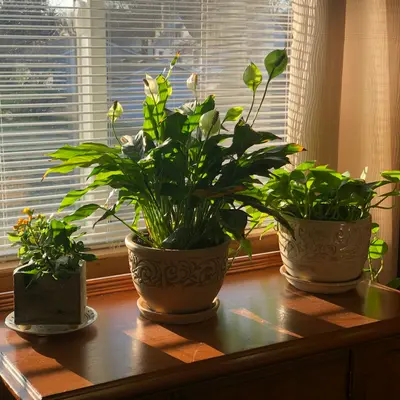
The nearly indestructible houseplant that laughs in the face of neglect while maintaining its glossy, architectural beauty. With thick, waxy leaves that store water and elegant upright growth, this African native thrives in low light and forgives forgotten waterings better than any other houseplant. Perfect for dark corners, offices, or anyone who travels frequently but wants lush greenery at home.
Sun
Partial shade
Zones
9–10
USDA hardiness
Height
2-4 feet
Complete Growing Guide
Light: Deep shade (Less than 2 hours to no direct sunlight), Partial Shade (Direct sunlight only part of the day, 2-6 hours). Soil: High Organic Matter, Sand. Drainage: Good Drainage. Height: 2 ft. 0 in. - 4 ft. 0 in.. Spread: 2 ft. 0 in. - 4 ft. 0 in.. Growth rate: Slow. Maintenance: Low. Propagation: Division, Leaf Cutting. Regions: Coastal, Mountains, Piedmont.
Harvesting
ZZ plants aren't harvested in the traditional sense, but you can trim leaves for propagation or plant maintenance year-round. The best time to take leaf cuttings is during active growing season (spring through early fall) when the plant's energy reserves are highest. Select mature, fully-developed leaflets that feel firm and glossy—avoid young, soft growth or older yellowing leaves.
To harvest leaflets for propagation, grip the stem firmly and twist individual leaflets off at their connection point to the main stem, or cut entire stems at soil level using clean, sharp scissors. The 'pop' you feel when twisting indicates a clean break that's ideal for rooting. Morning harvest works best when plant tissues are fully hydrated from overnight recovery.
For maintenance pruning, remove yellowing or damaged stems by cutting at soil level rather than mid-stem. This prevents unsightly stubs and potential rot issues. Always wear gloves when handling ZZ plants since they contain calcium oxalate crystals that can irritate skin, and keep all plant material away from pets and children.
Storage & Preservation
Fresh ZZ plant cuttings need immediate attention for successful propagation. Allow cut leaflets to air-dry at room temperature for 24-48 hours until the cut surface forms a protective callus—this prevents rot when planted. Store callused cuttings in a cool, dry location for up to one week before planting.
For longer-term storage of propagation material, place callused leaflets in slightly damp (not wet) sphagnum moss inside a sealed container in the refrigerator for up to one month. Check weekly for any signs of rot and remove affected pieces immediately.
Entire stems cut for propagation should be processed within 24 hours—either planted immediately or divided into individual leaflets for callusing. Unlike many plants, ZZ plant material cannot be preserved through traditional drying methods since the goal is maintaining viability for new plant production rather than decorative use.
History & Origin
Native to the arid regions of East Africa, particularly Tanzania and Zanzibar, Zamioculcas zamiifolia remained relatively obscure outside its homeland until the late 1990s when Dutch horticulturists began cultivating it for the European houseplant market. The plant's emergence as a commercial crop is poorly documented in terms of specific breeders or formal breeding programs; instead, it represents the recognition and propagation of an existing wild species rather than a deliberately bred cultivar. Its introduction to wider Western markets coincided with growing demand for low-maintenance foliage plants, making it ideally suited to modern indoor gardening trends, though its exact pathway from African wild populations to contemporary houseplant commerce remains largely unrecorded.
Origin: Africa
Advantages
- +Low maintenance
Considerations
- -Toxic (Leaves): Medium severity
Companion Plants
ZZ Plant does best next to things that share its indifference to water — Snake Plant and Cast Iron Plant are the closest matches, both handling the same 2-4 week drought cycles without complaint. Pothos and Philodendron are fine shelf neighbors as long as they're in separate pots, since they'll want water more often and you don't want their soil moisture throwing off your watering schedule for the ZZ. Skip Calathea, Boston Fern, and African Violet entirely — around here in the Southeast, those three get misted and fussed over constantly, and that ambient moisture creep is exactly what pushes a ZZ's rhizomes toward rot. African Violet also drops leaf litter that traps moisture against the ZZ's stems.
Plant Together
Snake Plant
Similar low-light and drought tolerance, compatible watering schedules
Pothos
Thrives in similar low-light conditions and helps purify air together
Peace Lily
Both tolerate low light and add complementary foliage textures
Rubber Tree
Compatible light requirements and both are excellent air purifiers
Chinese Evergreen
Similar care needs and both adapt well to indoor conditions
Philodendron
Matching low-maintenance requirements and drought tolerance
Cast Iron Plant
Both extremely hardy with similar neglect-tolerant growing conditions
Dracaena
Compatible watering schedules and both thrive in indirect light
Keep Apart
Boston Fern
Requires constant moisture which can cause root rot in drought-tolerant ZZ plant
Calathea
Needs high humidity and frequent watering, incompatible with ZZ plant's dry conditions
African Violet
Requires consistent moisture and higher humidity than ZZ plant prefers
Pests & Disease Resistance
Resistance
Extremely resistant to diseases and pests
Common Pests
Spider mites, scale insects (very rare)
Diseases
Root rot from overwatering (main concern)
Troubleshooting ZZ Plant
What you'll see, why it happens, and what to do about it.
Yellowing leaves with mushy, dark brown stems at the soil line
Likely Causes
- Root rot (Pythium sp. or Rhizoctonia sp.) from overwatering or pots without drainage holes
- Soil staying wet longer than 3-4 weeks between waterings
What to Do
- 1.Unpot the plant, cut off any black or mushy roots with clean scissors, and let the rhizomes air-dry for a few hours before repotting in fresh, well-draining mix (cactus mix works fine)
- 2.Switch to a terracotta pot if you've been using plastic — it wicks moisture and dries out faster
- 3.Water no more than once every 2-4 weeks; in winter, stretch that to once a month
Tiny webbing on leaf undersides, with leaves looking dusty or stippled
Likely Causes
- Spider mites (Tetranychus urticae) — common when indoor air is very dry, especially in winter near heating vents
- Ambient humidity dropping below 30%
What to Do
- 1.Wipe down every leaf with a damp cloth to physically remove mites and their webbing — do this weekly for 3-4 weeks
- 2.Move the plant away from heating vents; run a small humidifier nearby if your home drops below 30% humidity
- 3.For persistent infestations, spray with neem oil diluted to 2% — coat the undersides of leaves thoroughly
Brown, crusty bumps on stems that don't wipe off, with sticky residue collecting on leaves below
Likely Causes
- Scale insects (most likely soft brown scale, Coccus hesperidum) — rare on ZZ plants but possible on stressed specimens
- A new plant brought in without a quarantine period, carrying scale from a nursery or another houseplant
What to Do
- 1.Scrape the bumps off manually with an old toothbrush dipped in 70% isopropyl alcohol
- 2.Wipe all stems and leaf surfaces with an alcohol-soaked cotton ball, repeating every 7 days for a month
- 3.Keep the plant away from your other houseplants until you've had two consecutive clean weeks with no new growth
Frequently Asked Questions
How often should I water my ZZ plant?▼
Why are my ZZ plant leaves turning yellow?▼
Can ZZ plants grow in low light conditions?▼
How long does ZZ plant propagation take?▼
Are ZZ plants toxic to cats and dogs?▼
When should I repot my ZZ plant?▼
Growing Guides from Wind River Greens
Sources & References
External authority sources used in compiling this guide.
- ExtensionNC State Extension
See the Methodology page for how this data is sourced, what's AI-assisted, and known limitations.