Katz Purple
Matthiola incana
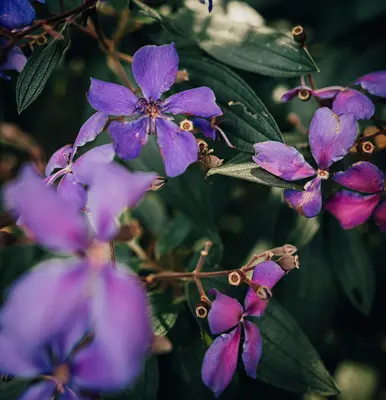
Long stems with 1 1/2-2", dark purple blooms. Early blooming one-cut series. Performed well in our spring, early summer, and fall trials. Good uniformity in bloom time and stem length. 55-60% double-flowering without selection; some selection possible. NOTE: This variety produces one flowering stem per plant. Pinching is not advisable as it will terminate flowering. Edible Flowers: The peppery, clove-like flavor of the flowers lends itself well to use as a garnish on salads, desserts, and drinks.
Harvest
90-100d
Days to harvest
Sun
Full sun to partial shade
Zones
6–10
USDA hardiness
Height
1-3 feet
Planting Timeline
Showing dates for Katz Purple in USDA Zone 7
All Zone 7 flower →Zone Map
Click a state to update dates
Katz Purple · Zones 6–10
Growing Details
Succession Planting
Stock is worth succession planting if you're cutting for market or a CSA share, since each plant gives you one main flush of bloom. Sow indoors every 3 weeks from early February through mid-March in zone 7, then start a fall round indoors in late July for September transplant. Skip a summer sowing — Katz Purple won't perform with daytime highs above 80°F, and the stunted spikes you'd get aren't worth the tray space.
Complete Growing Guide
Long stems with 1 1/2-2", dark purple blooms. Early blooming one-cut series. Performed well in our spring, early summer, and fall trials. Good uniformity in bloom time and stem length. 55-60% double-flowering without selection; some selection possible. NOTE: This variety produces one flowering stem per plant. Pinching is not advisable as it will terminate flowering. Edible Flowers: The peppery, clove-like flavor of the flowers lends itself well to use as a garnish on salads, desserts, and drinks. According to Johnny's Selected Seeds, Katz Purple is 90 - 100 days to maturity, annual, open pollinated. Notable features: Use for Cut Flowers and Bouquets, Edible Flowers, Fragrant.
Light: Full sun (6 or more hours of direct sunlight a day), Partial Shade (Direct sunlight only part of the day, 2-6 hours). Soil: Clay, High Organic Matter, Loam (Silt), Sand. Soil pH: Alkaline (>8.0), Neutral (6.0-8.0). Drainage: Good Drainage, Moist. Height: 1 ft. 0 in. - 3 ft. 0 in.. Spread: 0 ft. 9 in. - 1 ft. 6 in.. Spacing: Less than 12 inches, 12 inches-3 feet. Growth rate: Rapid. Maintenance: Low. Propagation: Seed. Regions: Coastal, Mountains.
Harvesting
Katz Purple reaches harvest at 90 - 100 days from sowing per Johnny's Selected Seeds. Expect 1 1/2-2" at peak. As an annual, harvest continues until frost ends the season.
Seeds will ripen in August and September.
Harvest time: Fall
Storage & Preservation
Fresh Katz Purple flowers are best stored in the refrigerator at 35-40°F with high humidity (90-95%) to maintain petal firmness and color vibrancy. Store in a shallow vase with water or wrapped in damp paper towels in a sealed plastic bag; they typically last 5-7 days when refrigerated. For preservation: (1) Air-dry petals on parchment paper in a cool, dark space for 2-3 weeks to use as edible garnishes year-round; (2) Freeze petals in ice cube trays with water for cocktails and desserts, lasting 2-3 months; (3) Candy petals using egg white and superfine sugar for decorative confections with 4-6 month shelf life in airtight containers.
History & Origin
Katz Purple is open-pollinated, meaning seed saved from healthy plants will produce true-to-type offspring. Listed in the Johnny's Selected Seeds catalog.
Origin: The Coast of Europe from Spain to Greece.
Advantages
- +Dark purple blooms create striking visual impact in floral arrangements
- +Excellent uniformity in bloom time and stem length across plantings
- +Early flowering series reaches maturity in just 90-100 days
- +Edible flowers add unique peppery, clove-like flavor to culinary presentations
- +Performed consistently well across spring, summer, and fall growing seasons
Considerations
- -Single flowering stem per plant limits yield compared to pinchable varieties
- -Cannot be pinched to encourage branching without completely terminating flower production
- -Only 55-60% naturally produce double flowers without additional selection work
Companion Plants
Sweet alyssum (Lobularia maritima) is the most useful companion here — it draws parasitic wasps and hoverflies that knock back aphids, which do occasionally find stock. Marigolds (Tagetes spp.) nearby add a similar effect and help confuse thrips. Cosmos and zinnias are good neighbors because they don't compete hard for root space at 12-18 inch spacing and keep pollinators cycling through the bed. Keep stock well away from fennel (Foeniculum vulgare), whose root exudates suppress many annuals, and away from black walnut (Juglans nigra) — stocks are notably sensitive to juglone and will show it.
Plant Together
Marigolds
Repel nematodes and aphids while attracting beneficial insects
Nasturtiums
Act as trap crops for aphids and cucumber beetles, attract pollinators
Lavender
Deters moths, fleas, and mosquitoes with aromatic oils
Sweet Alyssum
Attracts beneficial insects like hoverflies and parasitic wasps
Cosmos
Attracts beneficial insects and provides habitat for predatory insects
Zinnia
Attracts butterflies, bees, and beneficial predatory insects
Catmint
Repels ants, aphids, and rodents while attracting pollinators
Sunflowers
Provide beneficial shade and attract pest-eating birds
Keep Apart
Black Walnut
Produces juglone toxin that inhibits growth of most flowering plants
Eucalyptus
Releases allelopathic compounds that suppress nearby plant growth
Fennel
Inhibits growth of most garden plants through allelopathy
Troubleshooting Katz Purple
What you'll see, why it happens, and what to do about it.
Seedlings collapse at the soil line, stems pinched and dark, within the first 2-3 weeks after germination
Likely Causes
- Damping off (Pythium or Rhizoctonia spp.) — triggered by overwatering and poor air circulation around seedlings
- Sowing too deep in heavy, slow-draining seed-starting mix
What to Do
- 1.Water only when the top of the mix is dry to the touch; Matthiola seedlings do not want wet feet
- 2.Run a small fan on low near your seed trays for 1-2 hours a day to keep air moving
- 3.If damping off has hit one tray, don't try to save it — start fresh with sterile mix and clean containers
Leaves develop pale yellow patches on top with a gray-purple fuzzy coating on the underside, usually after a stretch of cool, humid weather
Likely Causes
- Downy mildew (Peronospora parasitica) — a Brassica-family pathogen that hits stocks hard when nights stay below 60°F and humidity is high
What to Do
- 1.Space plants at least 12 inches apart — crowded stock beds stay wet longer and move far less air
- 2.Strip affected leaves and dispose of them in the trash, not the compost pile
- 3.Switch to drip irrigation or early-morning hand watering at the base; evening overhead watering is the fastest way to make this worse
Plants flower early but produce short, weak spikes with few florets, often under 12 inches tall
Likely Causes
- Heat stress — stock bolts and stunts when daytime temps push past 75-80°F before the plant has sized up
- Transplanting too late in spring, leaving insufficient cool-season growing time before summer arrives
What to Do
- 1.Start indoors 8-10 weeks before your last frost date so plants are well established before warm weather lands
- 2.Get direct-sown seed in the ground by mid-April in zone 7 — waiting until May usually costs you spike quality
- 3.In hot climates, treat stock as a fall crop: transplant in September for bloom October through December
Frequently Asked Questions
How long do Katz Purple flowers last once cut?▼
Are Katz Purple flowers good for beginners?▼
Can you grow Katz Purple in containers?▼
What does Katz Purple taste like as an edible flower?▼
When should I plant Katz Purple seeds?▼
Does Katz Purple produce multiple stems per plant?▼
Zone-by-Zone Planting Calendar
| Zone | Indoor Start | Transplant | Direct Sow | Harvest |
|---|---|---|---|---|
| Zone 3 | April – May | June – July | June – August | — |
| Zone 4 | March – April | June – June | June – July | — |
| Zone 5 | March – April | May – June | May – July | — |
| Zone 6 | March – April | May – June | May – July | — |
| Zone 7 | February – March | April – May | April – June | — |
| Zone 8 | February – March | April – May | April – June | — |
| Zone 9 | January – February | March – April | March – May | — |
| Zone 10 | January – January | February – March | February – April | — |
| Zone 1 | May – June | July – August | July – September | — |
| Zone 2 | April – May | June – July | June – August | — |
| Zone 11 | January – January | January – February | January – March | — |
| Zone 12 | January – January | January – February | January – March | — |
| Zone 13 | January – January | January – February | January – March | — |
Growing Guides from Wind River Greens
Sources & References
External authority sources used in compiling this guide.
- BreederJohnny's Selected Seeds
See the Methodology page for how this data is sourced, what's AI-assisted, and known limitations.