Fragrant Sumac
Rhus aromatica
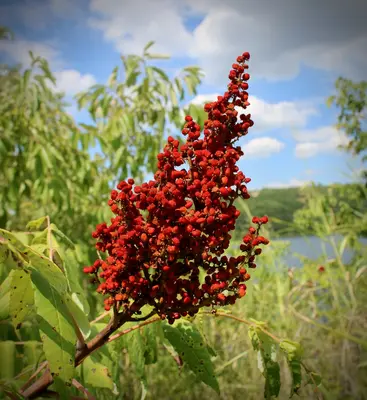
A tough, native shrub prized for its exceptional drought tolerance and brilliant orange-red fall color that rivals any maple. Small yellow flowers appear before the leaves in early spring, followed by red berries that attract birds. This adaptable groundcover shrub thrives in difficult sites where other plants struggle, making it perfect for slopes and naturalized areas.
Sun
Full sun to partial shade
Zones
3–9
USDA hardiness
Height
2-6 feet
Planting Timeline
Showing dates for Fragrant Sumac in USDA Zone 7
All Zone 7 shrub →Zone Map
Click a state to update dates
Fragrant Sumac · Zones 3–9
Growing Details
Complete Growing Guide
Light: Full sun (6 or more hours of direct sunlight a day), Partial Shade (Direct sunlight only part of the day, 2-6 hours). Soil: Clay, Loam (Silt), Sand, Shallow Rocky. Soil pH: Acid (<6.0). Drainage: Good Drainage, Moist, Occasionally Dry. Height: 2 ft. 0 in. - 6 ft. 0 in.. Spread: 6 ft. 0 in. - 10 ft. 0 in.. Growth rate: Slow. Maintenance: Low. Propagation: Seed. Regions: Coastal, Mountains, Piedmont.
Harvesting
Following the flowers, the female flower produces hairy drupes. They are ovoid, 0.25 inches in diameter, and turn red as they ripen. Each drupe contains a stone. The drupes are present from June to August.
Color: Red/Burgundy. Type: Drupe. Length: < 1 inch. Width: < 1 inch.
Garden value: Showy
Harvest time: Summer
Storage & Preservation
Fragrant Sumac is primarily valued for its ornamental qualities and wildlife benefits rather than harvest storage. However, if collecting berries or foliage for crafts or arrangements, store fresh cuttings in a cool location (50-60°F) with moderate humidity for up to 1-2 weeks. Dried seed heads and branches can be preserved by air-drying in a warm, well-ventilated space for 2-3 weeks. For propagation, store collected seeds in cool, dry conditions (40°F, low humidity) in sealed containers for several months. Pressed foliage arrangements will last indefinitely when stored flat in acid-free paper in a cool, dark place.
History & Origin
Origin: North America--Eastern Canada to Mexico
Advantages
- +Attracts: Bees, Butterflies, Moths, Small Mammals, Songbirds
- +Low maintenance
Companion Plants
Little Bluestem grass, Native Sedges, and Purple Coneflower (Echinacea purpurea) all pair well with Fragrant Sumac because they share the same basic contract: lean soil, good drainage, and minimal fussing. None of them compete aggressively for water, and their root depths don't overlap much — grasses and sedges stay relatively shallow while sumac's roots spread wide and low. Wild Bergamot (Monarda fistulosa) draws in pollinators that also work the sumac's spring flowers, and Serviceberry (Amelanchier) adds vertical structure without casting enough shade to crowd the sumac out.
Black Walnut is the one plant worth an outright veto. It produces juglone — a chemical that leaches through the surrounding soil for a radius that can reach 60 feet from the trunk — and while Rhus aromatica isn't the most sensitive species on record, planting the two together is an unnecessary gamble. Autumn Olive and Tree of Heaven get cut from the list for a different reason: both are invasive across much of the country, and no companion benefit is worth introducing either one to a planting.
Plant Together
Little Bluestem Grass
Native prairie grass that shares similar drought tolerance and soil preferences
Purple Coneflower
Both are native plants that attract beneficial insects and thrive in similar conditions
Wild Bergamot
Native companion that attracts pollinators and has complementary bloom times
Serviceberry
Similar native shrub that provides wildlife habitat and has compatible root systems
Spicebush
Native understory shrub that thrives in similar partial shade conditions
Wild Columbine
Early spring bloomer that complements fragrant sumac's early flowering period
Red Oak
Provides beneficial dappled shade and both are native woodland edge species
Native Sedges
Complement the sumac's root system and provide ground cover without competition
Keep Apart
Black Walnut
Produces juglone which is toxic to many plants including sumac species
Autumn Olive
Aggressive invasive shrub that outcompetes native sumac for resources
Tree of Heaven
Invasive tree that releases allelopathic chemicals inhibiting native plant growth
Pests & Disease Resistance
Resistance
Excellent disease resistance, very few pest or disease issues
Common Pests
Scale insects (rare), aphids (occasional)
Diseases
Generally disease-free
Troubleshooting Fragrant Sumac
What you'll see, why it happens, and what to do about it.
Sticky residue on stems and leaves, with small waxy bumps clustered along the bark
Likely Causes
- Scale insects (likely soft scale, Coccidae family) — rare on Rhus aromatica but more common on stressed plants
- Over-shading or overcrowded planting reducing airflow and plant vigor
What to Do
- 1.Scrub visible scale off with a stiff brush dipped in soapy water (1 tablespoon dish soap per quart)
- 2.Apply horticultural oil in early spring before new growth breaks, when crawlers are active
- 3.Cut back any crossing or dead branches to open up the canopy — a stressed shrub invites more trouble
Curled or distorted new growth tips, with small soft-bodied insects visible on the undersides of leaves
Likely Causes
- Aphid colonies (likely a generalist species such as Aphis gossypii) — occasional on tender spring growth
- Flush of soft new growth after a wet spring or unnecessary fertilizer application
What to Do
- 1.Knock aphids off with a firm spray from a garden hose — do this 3 days in a row to break the cycle
- 2.If colonies persist, spray with insecticidal soap, making sure to hit the undersides of leaves
- 3.Skip the fertilizer entirely; Rhus aromatica doesn't need it, and the resulting soft growth is aphid bait
Shrub fails to establish after transplant — leaves wilting or dropping within the first 4-6 weeks, even with watering
Likely Causes
- Transplant shock combined with poorly draining soil — Rhus aromatica wants well-drained to dry conditions and will rot if it sits wet
- Root disturbance at planting; this shrub develops a wide-spreading root system and doesn't love being moved
What to Do
- 1.Check the planting hole — if water pools for more than 30 minutes after rain, amend with coarse grit or move the plant to a raised area
- 2.Pull back any mulch sitting directly against the crown; keep a 3-inch gap
- 3.Water once at transplant, then back off to once per week maximum for the first month — overwatering kills this shrub faster than drought does
Frequently Asked Questions
Is Fragrant Sumac good for beginner gardeners?▼
When should I plant Fragrant Sumac?▼
Can you grow Fragrant Sumac in containers?▼
How long does Fragrant Sumac take to establish?▼
What makes Fragrant Sumac's fall color special?▼
Zone-by-Zone Planting Calendar
Growing Guides from Wind River Greens
Sources & References
External authority sources used in compiling this guide.
- ExtensionNC State Extension
See the Methodology page for how this data is sourced, what's AI-assisted, and known limitations.