Voyage 2 White Improved
Eustoma grandiflorum
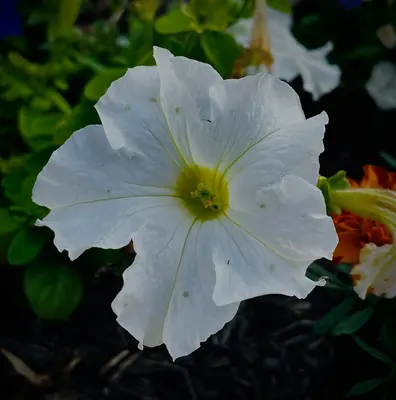
Wikimedia Commons via Eustoma russellianum
These ivory white flowers remind us of big scoops of vanilla ice cream. 3", fully double blooms are lush with abundant layering and ruffling. Group 2, for early spring to summer harvest. Lisianthus is also known as prairie gentian, Texas bluebell, and showy prairie gentian. Pelleted seeds.
Harvest
140-150d
Days to harvest
Sun
Full sun to partial shade
Zones
8–10
USDA hardiness
Height
1-3 feet
Planting Timeline
Showing dates for Voyage 2 White Improved in USDA Zone 7
All Zone 7 flower →Zone Map
Click a state to update dates
Voyage 2 White Improved · Zones 8–10
Growing Details
Complete Growing Guide
These ivory white flowers remind us of big scoops of vanilla ice cream. 3", fully double blooms are lush with abundant layering and ruffling. Group 2, for early spring to summer harvest. Lisianthus is also known as prairie gentian, Texas bluebell, and showy prairie gentian. Pelleted seeds. According to Johnny's Selected Seeds, Voyage 2 White Improved is 140 - 150 days to maturity, annual, hybrid (f1). Notable features: Greenhouse Performer, Use for Cut Flowers and Bouquets.
Light: Full sun (6 or more hours of direct sunlight a day), Partial Shade (Direct sunlight only part of the day, 2-6 hours). Soil: Loam (Silt), Sand. Drainage: Good Drainage, Moist. Height: 1 ft. 0 in. - 3 ft. 0 in.. Spread: 0 ft. 9 in. - 1 ft. 0 in.. Maintenance: High. Propagation: Seed.
Harvesting
Voyage 2 White Improved reaches harvest at 140 - 150 days from sowing per Johnny's Selected Seeds. Expect 3" at peak. As an annual, harvest continues until frost ends the season.
This is an ornamental variety — not grown for harvest. Enjoy in the garden landscape.
Storage & Preservation
Voyage 2 White Improved is grown as a cut flower, not for consumable storage. However, cut stems should be conditioned immediately after harvest: place in cool water (40-45°F) for 2 hours before arranging. Store arrangements in a cool location (65-70°F) away from ethylene-producing fruits and direct sunlight, which causes petal bleaching. Change water every 2-3 days and re-cut stems at a diagonal.
For extended preservation, keep cut stems in a commercial floral preservative solution, which extends vase life to 14+ days. For drying, hang bundles upside-down in a dark, well-ventilated space for 3-4 weeks. Dried Voyage 2 blooms retain their ivory color and ruffled structure beautifully for winter arrangements. Avoid humidity during drying to prevent mold. Store dried flowers in acid-free tissue in a cool, dark place.
History & Origin
Voyage 2 White Improved is an F1 hybrid developed through controlled cross-pollination. Listed in the Johnny's Selected Seeds catalog.
Origin: Nebraska south to Texas.
Advantages
- +Stunning fully double blooms with abundant ruffling create dramatic vanilla ice cream appearance
- +Early spring to summer harvest timing Group 2 fits flexible growing schedules well
- +Easy difficulty level makes this lisianthus accessible to beginner and novice growers
- +Pelleted seeds simplify sowing and improve germination rates for consistent plant establishment
- +3-inch flowers provide excellent cut flower size and vase appeal for arrangements
Considerations
- -140-150 day timeline requires long growing season unsuitable for short-season climates
- -Lisianthus notoriously demands precise moisture control to prevent root rot problems
- -Double-flowered varieties often produce lower seed yield limiting future propagation options
Companion Plants
Marigolds (particularly Tagetes patula) are the most practical companion here — their roots exude alpha-terthienyl, which suppresses soil nematodes, and their scent disrupts the host-finding behavior of aphids and whiteflies that target lisianthus. Sweet alyssum pulls in parasitic wasps (Aphidius species) that attack aphid colonies before they establish, and it stays low enough that it won't crowd Voyage 2's lower foliage or compete for the 4-6 hours of sun this variety needs to set buds properly. Calendula is worth planting in a nearby cluster specifically as a trap crop — aphids preferentially colonize it, which makes monitoring and removal straightforward.
Black walnut (Juglans nigra) is a hard no — juglone leaches through the root zone and into surrounding soil, and lisianthus doesn't have the constitution to tolerate even low concentrations. Fennel is a subtler problem: allelopathic compounds from its roots stunt neighboring plants, and its flowers pull predatory insects away from the beds where you actually need them. Both are worth keeping well outside your cutting garden entirely.
Plant Together
Marigolds
Repel nematodes, aphids, and whiteflies while attracting beneficial insects
Sweet Alyssum
Attracts beneficial insects like hoverflies and parasitic wasps for pest control
Nasturtiums
Act as trap crops for aphids and cucumber beetles, protecting nearby plants
Zinnias
Attract pollinators and beneficial predatory insects while providing complementary colors
Cosmos
Attract beneficial insects and provide vertical structure without competing for nutrients
Petunias
Repel aphids, tomato hornworms, and squash bugs through natural compounds
Lavender
Repels moths, fleas, and mosquitoes while attracting pollinators
Calendula
Attracts beneficial insects and helps improve soil health through root exudates
Keep Apart
Black Walnut Trees
Release juglone toxin that inhibits growth and can kill sensitive flowering plants
Fennel
Produces allelopathic compounds that inhibit germination and growth of nearby plants
Eucalyptus
Releases allelopathic chemicals that suppress growth of most other plants
Pests & Disease Resistance
Common Pests
Aphids, spider mites, whiteflies (primarily in greenhouse conditions)
Diseases
Powdery mildew, root rot (from overwatering), damping-off (seedling disease)
Troubleshooting Voyage 2 White Improved
What you'll see, why it happens, and what to do about it.
Seedlings collapse at the soil line within the first 2-3 weeks after germination
Likely Causes
- Damping-off — typically Pythium or Rhizoctonia fungi thriving in cold, wet growing media
- Overwatering combined with poor drainage in seed trays
What to Do
- 1.Water from the bottom — set trays in a shallow pan and let the medium wick up moisture rather than pouring from the top
- 2.Run a small fan on low near the trays; lisianthus germinates slowly (10-14 days) and stays vulnerable to fungal collapse for several weeks after sprouting
- 3.Start fresh with sterile seed-starting mix; sanitize reused trays with a 10% bleach solution before filling
White powdery coating on upper leaf surfaces, usually appearing once plants reach 6-8 inches tall
Likely Causes
- Powdery mildew — most commonly Erysiphe cichoracearum — triggered by warm days, cool nights, and stagnant air
- Crowded planting below 12-inch spacing that cuts off airflow between stems
What to Do
- 1.Set transplants at least 12 inches apart — 15 is better in humid conditions — and pull any affected leaves at the first sign
- 2.Apply potassium bicarbonate spray (1 tablespoon per gallon of water) early; it loses effectiveness once the coating is dense
- 3.Switch to drip or base watering and finish any overhead irrigation by mid-morning so foliage dries before nightfall
Leaves stippled with tiny pale dots, undersides webby, plants looking washed-out by midsummer
Likely Causes
- Two-spotted spider mite (Tetranychus urticae) — populations double rapidly once temperatures climb above 85°F
- Drought-stressed plants from inconsistent watering, which lowers the plant's natural defenses
What to Do
- 1.Blast the undersides of leaves with a firm stream of water every 2-3 days — it's mechanical and it works
- 2.Apply insecticidal soap or neem oil directly to leaf undersides; repeat every 5-7 days for at least 3 applications to break the mite life cycle
- 3.Keep soil consistently moist — lisianthus under water stress invites mite outbreaks faster than almost anything else you can do wrong
Frequently Asked Questions
How long does Voyage 2 White Improved take to grow from seed to flower?▼
Can you grow Voyage 2 White Improved in containers or pots?▼
Is Voyage 2 White Improved good for beginners?▼
What's the difference between Voyage 2 White Improved and other white lisianthus varieties?▼
When should I plant Voyage 2 White Improved seeds indoors?▼
How much sun does Voyage 2 White Improved need?▼
Zone-by-Zone Planting Calendar
| Zone | Indoor Start | Transplant | Direct Sow | Harvest |
|---|---|---|---|---|
| Zone 3 | April – May | June – July | June – August | — |
| Zone 4 | March – April | June – June | June – July | — |
| Zone 5 | March – April | May – June | May – July | — |
| Zone 6 | March – April | May – June | May – July | — |
| Zone 7 | February – March | April – May | April – June | — |
| Zone 8 | February – March | April – May | April – June | — |
| Zone 9 | January – February | March – April | March – May | — |
| Zone 10 | January – January | February – March | February – April | — |
| Zone 1 | May – June | July – August | July – September | — |
| Zone 2 | April – May | June – July | June – August | — |
| Zone 11 | January – January | January – February | January – March | — |
| Zone 12 | January – January | January – February | January – March | — |
| Zone 13 | January – January | January – February | January – March | — |
Growing Guides from Wind River Greens
Sources & References
External authority sources used in compiling this guide.
- BreederJohnny's Selected Seeds
See the Methodology page for how this data is sourced, what's AI-assisted, and known limitations.