Jacob's Ladder
Polemonium reptans
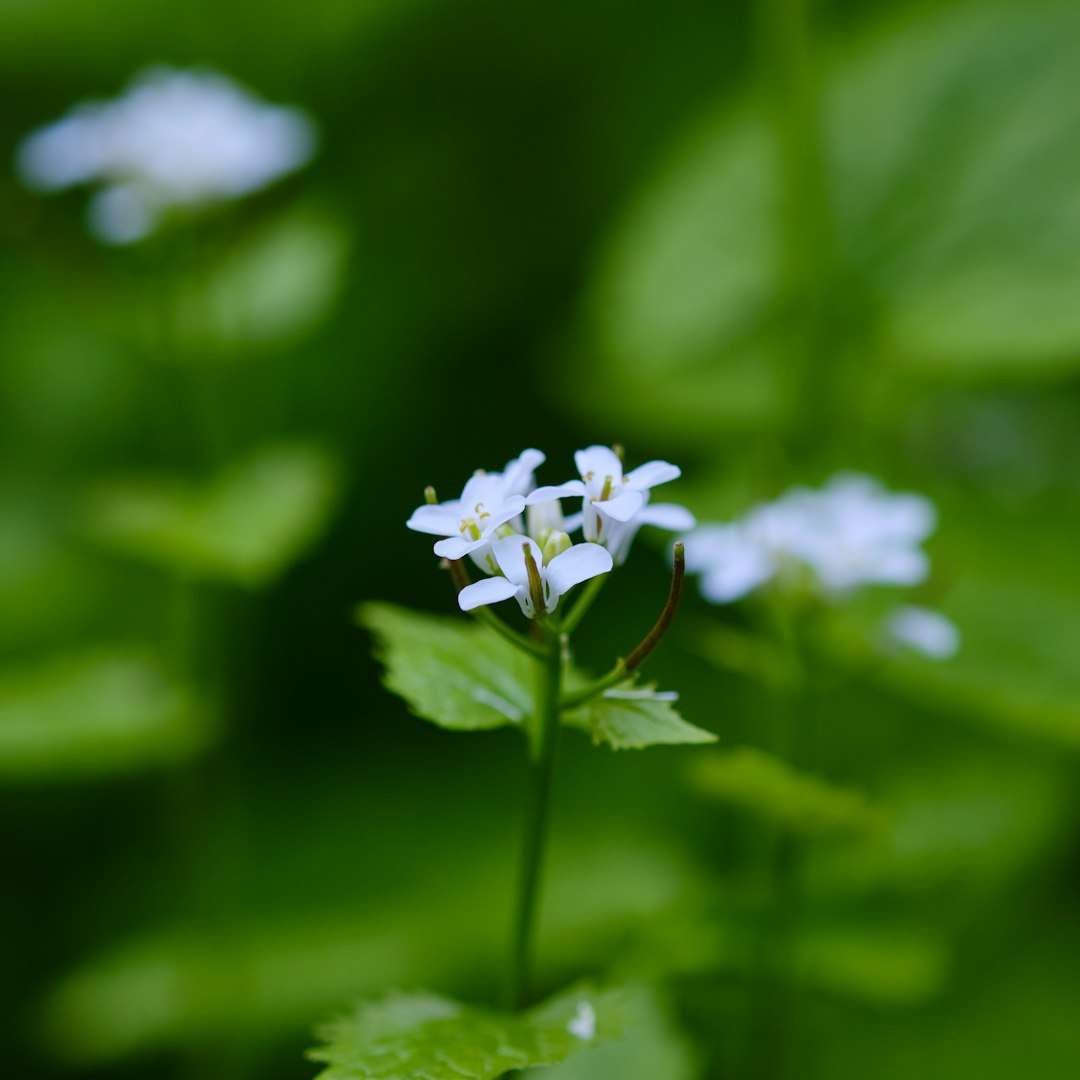
Jacob's Ladder (Polemonium reptans) is a perennial native wildflower. Hardy in USDA zones 3 to 8. Prefers full sun.
Sun
Full sun to partial shade
Zones
3–8
USDA hardiness
Height
1-3 feet
Planting Timeline
Showing dates for Jacob's Ladder in USDA Zone 7
All Zone 7 native-wildflower →Zone Map
Click a state to update dates
Jacob's Ladder · Zones 3–8
Growing Details
Complete Growing Guide
Light: Full sun (6 or more hours of direct sunlight a day), Partial Shade (Direct sunlight only part of the day, 2-6 hours). Soil: Loam (Silt). Drainage: Good Drainage. Height: 1 ft. 0 in. - 3 ft. 0 in.. Spread: 1 ft. 6 in. - 3 ft. 0 in.. Spacing: 12 inches-3 feet. Maintenance: Medium. Propagation: Division, Seed, Stem Cutting. Regions: Mountains, Piedmont.
Harvesting
Jacob's Ladder blooms reach peak harvest readiness when flowers display vibrant blue or lavender coloring and feel papery to the touch, typically from late spring through early summer. The plant produces flowers continuously throughout its growing season, allowing for repeated harvesting rather than a single-harvest approach. Pinch or deadhead spent flower clusters regularly to encourage additional blooms and promote bushier growth. For optimal results, harvest flowers in the early morning after dew has dried but before intense afternoon heat, as this timing preserves the delicate petals and extends vase life. The easy-to-grow nature of this native wildflower makes it forgiving for both novice and experienced gardeners seeking reliable seasonal color.
This is an ornamental variety — not grown for harvest. Enjoy in the garden landscape.
Storage & Preservation
Jacob's Ladder is a perennial wildflower grown for ornamental foliage and flowers, not for culinary or food storage purposes. If harvesting cut flowers, place stems in cool water immediately and store in a refrigerator at 35–40°F with high humidity to extend vase life to 7–10 days. For seed preservation, allow seedheads to dry completely on the plant, then collect and store seeds in cool, dry conditions (50–60°F, low humidity) in paper envelopes for up to 2 years. For long-term plant propagation, divide established clumps in early spring and replant immediately, or stratify seeds by cold-moist treatment over winter before spring sowing.
History & Origin
Origin: Northern America
Advantages
- +Native wildflower that supports pollinators and local ecosystems naturally
- +Thrives in easy-to-grow conditions with minimal maintenance required
- +Attractive blue-purple flowers bloom mid-spring through early summer reliably
- +Cold hardy across wide range, surviving USDA zones 3 through 8
- +Spreads gradually by rhizomes to fill woodland garden spaces
- +Tolerates partial shade despite preferring full sun exposure
Considerations
- -Foliage often develops powdery mildew in humid summer conditions
- -Slow to establish and spread compared to aggressive ornamental alternatives
- -Self-seeds inconsistently, making propagation unpredictable for gardeners
- -Blooms only briefly, offering limited extended seasonal interest overall
Companion Plants
Jacob's Ladder fits naturally into a shade or part-shade bed alongside Wild Ginger, Bloodroot, and Ferns — plants that share its preference for consistent moisture and dappled light without crowding its shallow root zone. In our zone 7 Georgia gardens, pairing it with Coral Bells or Astilbe stretches the combined bloom window, since those carry color well after Polemonium goes dormant in July. Black Walnut is the one to avoid outright — juglone toxicity is well-documented and will steadily weaken this plant — and Mint's runners will physically overtake it within a single growing season.
Plant Together
Wild Ginger
Shares similar shade and moisture requirements, creates natural woodland understory
Trillium
Compatible shade perennial with similar soil and moisture needs
Bloodroot
Early spring bloomer that complements Jacob's Ladder's growing cycle in woodland settings
Coral Bells
Provides contrasting foliage texture while thriving in similar partial shade conditions
Astilbe
Shares preference for moist, rich soil and partial shade locations
Hosta
Compatible moisture and shade requirements, provides excellent foliage contrast
Wild Columbine
Native woodland companion with similar cultural requirements and complementary bloom time
Ferns
Natural woodland partners that share similar moisture and shade preferences
Keep Apart
Black Walnut
Produces juglone which is toxic to Jacob's Ladder and most other plants
Mint
Aggressive spreader that can quickly overwhelm delicate Jacob's Ladder plants
Sunflowers
Allelopathic effects inhibit growth of nearby plants including Jacob's Ladder
Dense Grass
Competes aggressively for moisture and nutrients that Jacob's Ladder requires
Troubleshooting Jacob's Ladder
What you'll see, why it happens, and what to do about it.
Leaves develop powdery white coating, usually mid-summer when nights stay warm and humid
Likely Causes
- Powdery mildew (Erysiphe spp.) — common on Polemonium in humid southeastern summers, especially when plants are crowded or shaded too heavily
- Poor air circulation between plants spaced closer than 12 inches
What to Do
- 1.Cut the whole plant back hard — down to the basal rosette — after flowering anyway; this is a good excuse to do it early
- 2.Next spring, thin clumps so each plant has at least 12-18 inches of breathing room
- 3.If you want to treat rather than cut back, a diluted neem oil spray (2 tbsp per gallon) every 7-10 days slows spread, though it won't reverse damage already done
Plant collapses or goes fully dormant by July, leaves yellowing and shriveling in summer heat
Likely Causes
- Summer dormancy — this is normal behavior for Polemonium reptans in zones 7-8; it's not dead, it's just done for the season
- Planting in a spot with more than 4-5 hours of afternoon sun, which pushes heat stress earlier in the season
What to Do
- 1.Don't dig it up — push a labeled stake in so you don't accidentally plant zinnias on top of the crown in August
- 2.Relocate to a north- or east-facing bed with afternoon shade if you want foliage to persist longer into June
- 3.Water the dormant crown once every couple of weeks through dry spells so it's not completely desiccated going into fall regrowth
Frequently Asked Questions
When should I plant Jacob's Ladder?▼
Can I grow Jacob's Ladder in containers?▼
Is Jacob's Ladder good for beginners?▼
How long do Jacob's Ladder flowers bloom?▼
What does Jacob's Ladder look like?▼
Is Jacob's Ladder native to North America?▼
Zone-by-Zone Planting Calendar
Growing Guides from Wind River Greens
Sources & References
External authority sources used in compiling this guide.
- ExtensionNC State Extension
See the Methodology page for how this data is sourced, what's AI-assisted, and known limitations.