Ivy (English Ivy)
Hedera helix
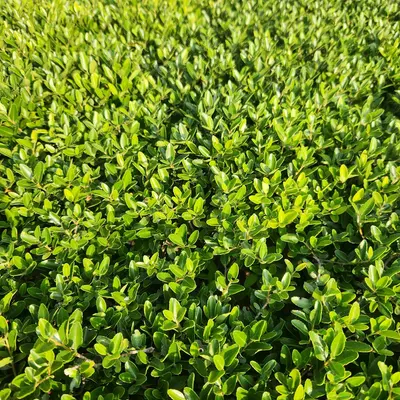
The classic evergreen vine that doubles as dense ground cover, English ivy creates a lush green carpet that thrives in deep shade where grass won't grow. Its glossy, lobed leaves provide year-round coverage, making it ideal for problem areas like steep slopes and dry shade under mature trees. This vigorous grower quickly establishes to suppress weeds and prevent erosion.
Sun
Full sun to partial shade
Zones
4–13
USDA hardiness
Height
20-80 feet
Planting Timeline
Showing dates for Ivy (English Ivy) in USDA Zone 7
All Zone 7 ground-cover →Zone Map
Click a state to update dates
Ivy (English Ivy) · Zones 4–13
Growing Details
Complete Growing Guide
Light: Dappled Sunlight (Shade through upper canopy all day), Deep shade (Less than 2 hours to no direct sunlight), Full sun (6 or more hours of direct sunlight a day), Partial Shade (Direct sunlight only part of the day, 2-6 hours). Soil: Clay, High Organic Matter, Loam (Silt), Sand, Shallow Rocky. Soil pH: Acid (<6.0), Alkaline (>8.0), Neutral (6.0-8.0). Drainage: Good Drainage, Moist, Occasionally Wet. Height: 20 ft. 0 in. - 80 ft. 6 in.. Spread: 3 ft. 0 in. - 50 ft. 0 in.. Spacing: 24-60 feet, more than 60 feet. Growth rate: Rapid. Maintenance: High. Propagation: Division, Root Cutting, Seed, Stem Cutting. Regions: Coastal, Mountains, Piedmont.
Harvesting
Conspicuous cluster of black berry-like drupes.
Color: Black, Blue. Type: Aggregate, Berry, Drupe. Length: < 1 inch. Width: < 1 inch.
Harvest time: Fall
Edibility: Leaves and berries are toxic to humans.
Storage & Preservation
English ivy produces no harvestable fruit, flowers, or edible parts and therefore requires no storage or preservation. The plant itself—living foliage—is the ornamental asset.
**Plant Propagation and Preservation** To preserve English ivy specimens or propagate new plants, take 4-6 inch softwood cuttings in late spring or early summer. Strip lower leaves and place cuttings in moist perlite or a 50/50 perlite-peat mix. Cuttings root reliably within 3-4 weeks under bright, indirect light. Once rooted, transplant to small pots and grow on through the season before planting outdoors. Rooted cuttings can be overwintered indoors in a cool greenhouse or bright windowsill for spring planting.
For long-term preservation of mature ivy, allow plants to establish deep root systems by refraining from disturbance once planted. Well-established ivy persists for decades with minimal maintenance, providing permanent ground cover and erosion control.
History & Origin
Origin: Europe, Scandinavia east to Russia
Advantages
- +Attracts: Songbirds
- +Edible: Leaves and berries are toxic to humans.
- +Fast-growing
Considerations
- -Toxic (Bark, Flowers, Fruits, Leaves, Roots, Sap/Juice, Seeds, Stems): Medium severity
- -Causes contact dermatitis
- -High maintenance
Companion Plants
The shade-tolerant companions in our database — Hosta, Ferns, Astilbe, Heuchera, Japanese Painted Fern, and Ajuga — pair well with English ivy because they're asking for the same conditions: partial shade, consistent moisture, and a soil pH around 6.0–7.0. You're not splitting the difference between two incompatible plants; one set of amendments serves the whole bed. Groundcovers like Lamium and Ajuga can actually be useful in newly planted areas, filling gaps while ivy is still establishing. Once Hedera helix hits its stride — and it can spread 9 feet or more in a single season — watch that the ajuga doesn't get buried.
The harmful pairings are mostly about ivy's willingness to take over. It'll physically smother vegetable transplants and low-growing native wildflowers without much hesitation. Young trees are a different kind of problem: ivy climbing a trunk traps moisture against the bark and creates entry points for fungal disease at the root collar. Keep it at least 3–4 feet back from any tree you want to keep, and install a hard plastic edging barrier if you're planting anywhere near a vegetable bed.
Plant Together
Hosta
Both thrive in shade conditions and create layered woodland garden design
Ferns
Share similar moisture and shade requirements, complement each other aesthetically
Astilbe
Tolerates shade and provides colorful contrast to ivy's evergreen foliage
Heuchera
Adds textural and color interest while tolerating ivy's dense coverage
Caladium
Provides seasonal color in shaded areas where ivy serves as evergreen backdrop
Japanese Painted Fern
Silver foliage creates striking contrast with ivy's green leaves in shade gardens
Ajuga
Another vigorous ground cover that can coexist and provide spring flowers
Lamium
Shade-tolerant ground cover with variegated leaves that complements ivy
Keep Apart
Vegetables
Ivy competes aggressively for nutrients and can harbor pests that damage edible plants
Young Trees
Can climb and smother saplings, preventing proper growth and development
Native Wildflowers
Invasive ivy outcompetes and displaces native plant communities
Pests & Disease Resistance
Resistance
Generally disease resistant, may develop leaf spot in humid conditions
Common Pests
Spider mites, aphids, scale insects
Diseases
Leaf spot, root rot in poorly drained soils
Troubleshooting Ivy (English Ivy)
What you'll see, why it happens, and what to do about it.
Tiny yellow stippling across leaves, with fine webbing on the undersides — usually showing up during hot, dry stretches
Likely Causes
- Spider mites (Tetranychus urticae) — thrive in dry conditions above 80°F
- Dusty or water-stressed plants attract mite colonies faster
What to Do
- 1.Blast the undersides of leaves with a strong stream of water every 2-3 days to knock mite populations down
- 2.Apply insecticidal soap or neem oil at 7-day intervals for 3 applications
- 3.Water consistently — drought-stressed ivy is a mite magnet
Brown or black circular spots on leaves, sometimes with a yellow halo, appearing in cool wet weather
Likely Causes
- Leaf spot — most commonly caused by Xanthomonas campestris (bacterial) or Colletotrichum species (fungal), both spread by splashing water
- Overcrowded planting blocking airflow between stems
What to Do
- 1.Remove and bag affected leaves — don't compost them
- 2.Thin out dense patches to improve airflow; 12-inch spacing minimum
- 3.Avoid overhead watering; if you must irrigate, do it early morning so foliage dries before nightfall
Stems wilting and blackening at the base despite adequate watering; roots are brown and mushy when pulled
Likely Causes
- Root rot caused by Phytophthora or Pythium species — almost always triggered by poorly drained soil or chronic overwatering
- Planting in a low spot where water pools after rain
What to Do
- 1.Pull affected plants — stems with rotted crowns don't recover
- 2.Amend the bed with coarse perlite or grit before replanting to improve drainage
- 3.Check that soil pH sits between 6.0–7.5; roots stressed by pH imbalance are more susceptible to both pathogens
Frequently Asked Questions
Can English ivy grow in full shade?▼
How fast does English ivy spread as ground cover?▼
Is English ivy safe around children and pets?▼
What pests and diseases affect English ivy?▼
Can English ivy be grown in containers or pots?▼
How do you propagate English ivy from cuttings?▼
Zone-by-Zone Planting Calendar
Growing Guides from Wind River Greens
Sources & References
External authority sources used in compiling this guide.
- ExtensionNC State Extension
See the Methodology page for how this data is sourced, what's AI-assisted, and known limitations.