Antirrhinum Majus Rocket Mix
Antirrhinum majus 'Rocket Mix'
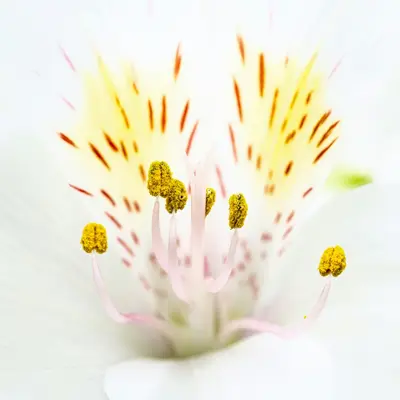
These tall, elegant snapdragons create dramatic vertical spikes of densely packed flowers that children love to squeeze and make 'snap.' The Rocket series offers exceptional heat tolerance and sturdy stems perfect for cutting, with blooms in a rainbow of colors. Their extended bloom period and ability to self-sow make them garden workhorses.
Sun
Full sun to partial shade
Zones
7–10
USDA hardiness
Height
0-3 feet
Planting Timeline
Showing dates for Antirrhinum Majus Rocket Mix in USDA Zone 7
All Zone 7 flower →Zone Map
Click a state to update dates
Antirrhinum Majus Rocket Mix · Zones 7–10
Growing Details
Succession Planting
Direct sow or transplant Rocket Mix every 3-4 weeks starting in early April through mid-May in zone 7. These are cool-season plants — once daytime highs push consistently above 80-85°F, bloom production stalls and the foliage starts to look spent, so there's a hard ceiling on the spring window. A fall round is worth doing: start seeds indoors in late July, transplant out in mid-September, and they'll carry through until a hard frost closes things down.
Don't try to succession through summer. Rocket Mix doesn't rebound once heat sets in — pull the plants when they're done and put something heat-tolerant in that bed until the temperatures drop again in September.
Complete Growing Guide
The Rocket Mix series demonstrates exceptional heat tolerance compared to standard snapdragon varieties, making it ideal for warm climates where other cultivars bolt prematurely or fade mid-summer. Sow seeds indoors 6-8 weeks before your last spring frost, as this mix germinates best with light and consistent 70°F temperatures. Plant in full sun with well-draining soil to prevent root rot, a common issue in snapdragons during wet springs. While generally pest-resistant, watch for spider mites in hot, dry conditions and rust fungus during cool, humid periods—ensure good air circulation to minimize fungal pressure. The Rocket Mix's sturdy stems resist lodging better than dwarf varieties, but pinching seedlings when 3-4 inches tall encourages bushier growth and prevents the excessive stretch common in tall snapdragons. Deadhead spent flower spikes regularly to extend blooming through fall and discourage excessive self-seeding, which can lead to overcrowding in subsequent seasons.
Light: Full sun (6 or more hours of direct sunlight a day), Partial Shade (Direct sunlight only part of the day, 2-6 hours). Soil: High Organic Matter. Drainage: Good Drainage. Height: 0 ft. 6 in. - 3 ft. 0 in.. Spread: 0 ft. 6 in. - 0 ft. 10 in.. Spacing: Less than 12 inches. Growth rate: Medium. Maintenance: Medium.
Harvesting
For maximum vase life, harvest Rocket Mix snapdragons when the lower three-quarters of the flower spike display full color while the uppermost buds remain tight and unopened. Gently squeeze the stem near the base to confirm it feels firm and woody rather than soft or hollow. Practice continuous harvesting by cutting spikes in early morning when stems are fully hydrated, removing spent flowers regularly to encourage new blooms throughout the season rather than waiting for complete flower senescence. A critical timing tip: deadhead faded spikes just above the first lateral branch to stimulate branching and multiple flowering stems from each plant, extending productivity well into fall.
A capsule, half hidden by calyx lobes, short-beaked.
Type: Capsule. Length: 1-3 inches.
Storage & Preservation
Fresh-cut snapdragons last 7-10 days in the vase with proper care. Strip lower leaves and recut stems under water before arranging. Change vase water every 2-3 days and trim stem ends to maintain water uptake.
For longer storage, place cut stems in cool water in your refrigerator for up to a week before arranging. Snapdragons benefit from floral preservative, which feeds the flowers and prevents bacterial growth.
To save seeds from your Rocket Mix, allow spent flower spikes to remain on the plant until seed pods turn brown and rattle when shaken. Collect seeds on a dry day, storing them in paper envelopes in a cool, dry location. Seeds remain viable for 2-3 years. These hybrids won't come true to type, but often produce interesting color variations.
History & Origin
The Rocket Mix represents a modern selection within the Antirrhinum majus species, which has been cultivated since ancient times in the Mediterranean region. While specific breeder attribution and introduction year for the Rocket series remain poorly documented in readily available horticultural records, this variety emerged from the broader twentieth-century snapdragon breeding work that emphasized heat tolerance and uniform plant architecture. The Rocket line reflects decades of commercial seed company selection focused on producing tall, sturdy cultivars suitable for both garden display and cut-flower markets. Like many modern ornamental mixes, its exact parentage and development pathway are proprietary information held by seed companies, making comprehensive origin documentation challenging for this particular cultivar.
Origin: Southwestern Europe
Advantages
- +Tall dramatic spikes provide excellent vertical interest and cutting garden appeal
- +Heat-tolerant blooms persist longer than most snapdragon varieties in summer
- +Easy to grow from seed with reliable germination and straightforward care
- +Rainbow color mix offers diverse garden displays without purchasing multiple cultivars
- +Self-sowing ability creates natural return plantings in subsequent growing seasons
Considerations
- -Susceptible to rust and powdery mildew in humid or poorly ventilated gardens
- -Requires well-draining soil as they are prone to root rot when overwatered
- -Vulnerable to common pests like aphids, spider mites, and thrips requiring monitoring
- -Damping off disease can devastate seedlings without proper soil sterilization and air circulation
Companion Plants
Marigolds (especially Tagetes patula) and Calendula are the most practical companions here — both attract parasitic wasps that keep aphid pressure off your snapdragons before it gets out of hand. Alyssum works at ground level the same way, drawing in hoverflies whose larvae are effective aphid predators. Nasturtiums are worth planting nearby as a trap crop: aphids will colonize them first, which buys your Rocket Mix some breathing room. Lobelia stays under 6 inches tall and won't compete for light or airflow.
Black Walnut (Juglans nigra) is the plant to avoid outright — its roots release juglone, a compound toxic to many annuals, and snapdragons are sensitive enough that even planting 40 feet from the drip line is cutting it close. Large sunflower varieties are a subtler problem: they shoot past 6 feet quickly, shade out plants that need 4-6 hours of direct sun, and their root systems pull hard on the same moderate moisture snapdragons depend on. Mint is a space issue more than a chemistry one — it spreads by underground runners and will physically crowd out low-growing annuals within a single season.
Plant Together
Marigolds
Repel aphids and whiteflies that commonly attack snapdragons
Petunias
Attract beneficial insects and have similar growing requirements
Alyssum
Attracts beneficial predatory insects and provides ground cover
Nasturtiums
Act as trap crops for aphids and cucumber beetles
Lobelia
Complements snapdragons visually and attracts pollinators
Calendula
Repels aphids and attracts beneficial insects like ladybugs
Zinnia
Attracts beneficial predatory insects and butterflies
Parsley
Attracts beneficial insects and doesn't compete for nutrients
Keep Apart
Black Walnut Trees
Release juglone which is toxic to snapdragons and causes wilting
Large Sunflowers
Create too much shade and compete heavily for nutrients and water
Mint
Spreads aggressively and can overwhelm snapdragons through root competition
Pests & Disease Resistance
Resistance
Good disease resistance, improved heat tolerance
Common Pests
Aphids, spider mites, thrips
Diseases
Rust, powdery mildew, damping off, root rot in wet conditions
Troubleshooting Antirrhinum Majus Rocket Mix
What you'll see, why it happens, and what to do about it.
Seedlings collapse at the soil line within the first 2 weeks after germination
Likely Causes
- Damping off (Pythium or Rhizoctonia spp.) — fungal pathogens that thrive in cold, wet, poorly drained starting mix
- Overwatering combined with low airflow around seedling trays
What to Do
- 1.Water from the bottom by setting trays in a shallow pan — never mist the stems directly
- 2.Run a small fan near your seed trays for 1-2 hours a day to keep air moving
- 3.If it spreads, drench the remaining seedlings with a dilute hydrogen peroxide solution (1 part 3% H2O2 to 9 parts water) and toss the collapsed ones
Orange or rust-colored pustules on the undersides of leaves, with corresponding yellow spots on top
Likely Causes
- Snapdragon rust (Puccinia antirrhini) — a host-specific fungal rust that spreads fast in cool, humid conditions
- Overhead watering or rain that keeps foliage wet for extended periods
What to Do
- 1.Pull and trash (don't compost) any infected leaves immediately — rust spreads by spores
- 2.Switch to drip or base watering if you've been overhead watering
- 3.Apply a sulfur-based fungicide every 7-10 days if the infection is spreading; read the label for rates
White powdery coating spreading across upper leaf surfaces, usually after plants have been in the ground 6+ weeks
Likely Causes
- Powdery mildew (Erysiphe spp.) — common in late spring when days are warm but nights are still cool
- Crowded planting under 6 inches apart that cuts airflow between plants
What to Do
- 1.Space plants at least 6-9 inches apart from the start — don't crowd them to fill a gap
- 2.Spray affected foliage with a baking soda solution (1 tablespoon baking soda + 1 teaspoon horticultural oil per gallon of water) every 7 days
- 3.Water in the morning so foliage dries fully before evening
Leaves stippled with tiny pale dots, or bronzed and papery-looking, with fine webbing on the undersides in dry weather
Likely Causes
- Two-spotted spider mites (Tetranychus urticae) — populations explode in hot, dry conditions above 85°F
- Thrips (Frankliniella occidentalis) — also cause stippling but leave tiny black frass dots rather than webbing
What to Do
- 1.Blast the undersides of leaves with a strong stream of water every 2-3 days to knock mite numbers down
- 2.Apply insecticidal soap (follow label rates) to the undersides of leaves — coverage matters more than volume
- 3.For thrips, sticky blue traps near the plant base help monitor and reduce adult populations
Frequently Asked Questions
How long does Antirrhinum majus Rocket Mix take to bloom from seed?▼
Can you grow Rocket Mix snapdragons in containers?▼
Do Rocket Mix snapdragons need staking?▼
When should I plant Rocket Mix snapdragons?▼
Are Rocket Mix snapdragons good for beginners?▼
How do you prevent rust on Rocket Mix snapdragons?▼
Zone-by-Zone Planting Calendar
| Zone | Indoor Start | Transplant | Direct Sow | Harvest |
|---|---|---|---|---|
| Zone 1 | May – June | July – August | July – September | — |
| Zone 2 | April – May | June – July | June – August | — |
| Zone 11 | January – January | January – February | January – March | — |
| Zone 12 | January – January | January – February | January – March | — |
| Zone 13 | January – January | January – February | January – March | — |
| Zone 3 | April – May | June – July | June – August | — |
| Zone 4 | March – April | June – June | June – July | — |
| Zone 5 | March – April | May – June | May – July | — |
| Zone 6 | March – April | May – June | May – July | — |
| Zone 7 | February – March | April – May | April – June | — |
| Zone 8 | February – March | April – May | April – June | — |
| Zone 9 | January – February | March – April | March – May | — |
| Zone 10 | January – January | February – March | February – April | — |