Brandywine Red Maple
Acer rubrum 'Brandywine'
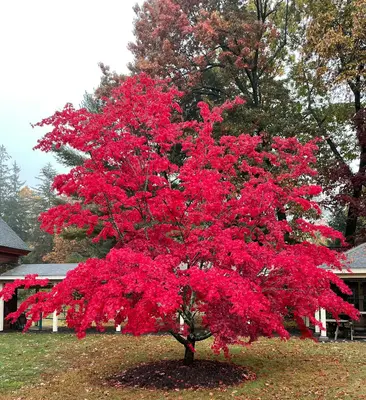
A superior red maple cultivar selected for its outstanding fall color that develops earlier and lasts longer than typical red maples. This fast-growing native produces brilliant orange-red to deep red autumn foliage that's among the most reliable and intense of any maple variety. Its adaptability to various soil conditions and consistent performance make it an excellent choice for homeowners wanting guaranteed fall color.
Sun
Full sun to partial shade
Zones
2–9
USDA hardiness
Height
40-120 feet
Planting Timeline
Showing dates for Brandywine Red Maple in USDA Zone 7
All Zone 7 shade-tree →Zone Map
Click a state to update dates
Brandywine Red Maple · Zones 2–9
Growing Details
Complete Growing Guide
Light: Full sun (6 or more hours of direct sunlight a day), Partial Shade (Direct sunlight only part of the day, 2-6 hours). Soil: Clay, High Organic Matter, Loam (Silt), Sand. Soil pH: Acid (<6.0), Neutral (6.0-8.0). Drainage: Good Drainage, Moist, Occasional Flooding, Occasionally Dry, Occasionally Wet. Height: 40 ft. 0 in. - 120 ft. 0 in.. Spread: 30 ft. 0 in. - 50 ft. 0 in.. Spacing: more than 60 feet. Growth rate: Rapid. Maintenance: Low. Propagation: Root Cutting, Seed, Stem Cutting. Regions: Coastal, Mountains, Piedmont.
Harvesting
The paired, winged, fruit is in a "V" shaped, red, pink, or yellow, winged samara about 3/4 of an inch long on drooping stems. They turn tan or brown when mature and drop from the plant. In North Carolina, the samaras are available from April to July.
Color: Brown/Copper, Gold/Yellow, Red/Burgundy, Variegated. Type: Samara. Length: < 1 inch.
Garden value: Showy
Harvest time: Spring, Summer
Edibility: The sap contains sugar and this can be used as a drink or be concentrated into a syrup by boiling off the water. The syrup is used as a sweetener on many foods. This species only yields about half the quantity obtained from the sugar maple (A. saccharum).
Storage & Preservation
Not applicable. Brandywine Red Maple is an ornamental shade tree grown for landscape display, not for harvest or consumption. Storage and preservation practices are not relevant to this variety. Instead, focus on tree maintenance: prune during dormancy (late fall to early spring), water regularly during establishment, mulch around the base to retain moisture, and protect young trees from extreme weather. For long-term health, ensure adequate spacing, proper drainage, and periodic fertilization for acidic soils.
History & Origin
Origin: Newfoundland to Florida West to Minnesota Oklahoma and Texas.
Advantages
- +Attracts: Bees, Butterflies, Moths, Pollinators, Small Mammals, Songbirds, Specialized Bees
- +Edible: The sap contains sugar and this can be used as a drink or be concentrated into a syrup by boiling off the water. The syrup is used as a sweetener on many foods. This species only yields about half the quantity obtained from the sugar maple (A. saccharum).
- +Fast-growing
- +Low maintenance
Companion Plants
Shade-tolerant groundcovers are this tree's best neighbors because they don't compete hard for water at the 5.5–6.5 pH Brandywine prefers, and they protect the shallow feeder roots from foot traffic and mower damage. Hosta, Astilbe, and Coral Bells all perform well in dappled light under the canopy; Ferns and Wild Ginger hold up better once the tree matures and the dry shade deepens. Skip Turf Grass under the drip line entirely — it fights hard for surface moisture, loses slowly, and the mowing pressure on the root zone does real damage over time. Black Walnut needs 50 feet of clearance minimum; its juglone load is high enough that Acer rubrum — even a well-established one — will show dieback within a season or two of contact.
Plant Together
Hosta
Thrives in maple's shade and complements root systems without competition
Astilbe
Enjoys filtered shade and moist soil conditions created by maple canopy
Coral Bells
Shallow roots don't compete with maple, tolerates shade and seasonal leaf drop
Wild Ginger
Native groundcover that thrives under maple canopy and suppresses weeds
Ferns
Natural woodland companions that utilize different soil layers and moisture
Azalea
Shallow roots coexist well, both prefer acidic soil conditions
Pachysandra
Dense groundcover that prevents soil erosion under maple's drip line
Impatiens
Annual shade lover that benefits from maple's filtered light and leaf mulch
Keep Apart
Black Walnut
Releases juglone toxin that can stress maple trees and inhibit growth
Norway Maple
Aggressive root system competes for nutrients and water, creates dense shade
Turf Grass
Competes heavily for surface water and nutrients, requires frequent watering that can stress maple roots
Pests & Disease Resistance
Resistance
Good disease resistance, few serious problems
Common Pests
Aphids, scale insects, maple gall mites
Diseases
Occasionally leaf scorch, tar spot, or anthracnose
Troubleshooting Brandywine Red Maple
What you'll see, why it happens, and what to do about it.
Leaf margins turning brown and crispy by midsummer, often on the outermost branches first
Likely Causes
- Leaf scorch — caused by heat, drought stress, or compacted soil limiting water uptake
- Reflected heat from pavement or structures within 10-15 feet of the trunk
What to Do
- 1.Water deeply (2-3 inches per week) during dry spells, especially in the first 3 years after transplant
- 2.Mulch a 4-inch ring out to the drip line to retain soil moisture and keep roots cool — keep mulch 3 inches back from the trunk
- 3.If the tree is near pavement or a south-facing wall, there's not much to do after planting; factor that in before you put the next one in the ground
Black or dark olive blotches on leaves by late summer, leaves dropping 4-6 weeks early
Likely Causes
- Tar spot (Rhytisma acerinum) — a fungal disease, purely cosmetic, spreads via infected leaf litter
- Anthracnose (Discula sp.) — also fungal, more likely after a cool wet spring
What to Do
- 1.Rake and bag all fallen leaves in autumn — don't compost them; removing the litter breaks the fungal cycle year over year
- 2.No spray is warranted on a healthy established tree; tar spot won't kill it, and Brandywine's dense canopy will fill back in
- 3.If anthracnose is defoliating young trees two or more years running, ask your county extension office about a preventive copper fungicide timed to bud break
Frequently Asked Questions
When should I plant Brandywine Red Maple?▼
How long does it take for Brandywine Red Maple to show fall color?▼
Is Brandywine Red Maple good for beginners?▼
How do I treat aphids and scale insects on my red maple?▼
Can Brandywine Red Maple grow in containers?▼
What's the difference between Brandywine and other red maple varieties?▼
Zone-by-Zone Planting Calendar
Growing Guides from Wind River Greens
Sources & References
External authority sources used in compiling this guide.
- ExtensionNC State Extension
See the Methodology page for how this data is sourced, what's AI-assisted, and known limitations.