Northern Red Oak
Quercus rubra
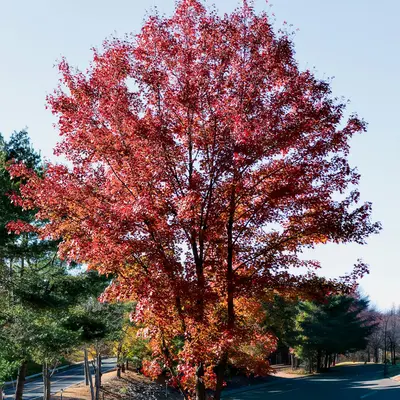
A fast-growing native oak prized for its brilliant red fall color and adaptability to various growing conditions. This stately tree develops a broad, rounded crown with distinctive lobed leaves that turn fiery scarlet in autumn. Northern Red Oak is excellent for large properties where you want the majesty of an oak but don't want to wait decades for substantial size.
Sun
Full sun to partial shade
Zones
4–8
USDA hardiness
Height
50-70 feet
Planting Timeline
Showing dates for Northern Red Oak in USDA Zone 7
All Zone 7 shade-tree →Zone Map
Click a state to update dates
Northern Red Oak · Zones 4–8
Growing Details
Complete Growing Guide
Light: Full sun (6 or more hours of direct sunlight a day), Partial Shade (Direct sunlight only part of the day, 2-6 hours). Soil: Loam (Silt), Sand. Soil pH: Acid (<6.0), Neutral (6.0-8.0). Drainage: Good Drainage, Moist, Occasionally Dry. Height: 50 ft. 0 in. - 70 ft. 0 in.. Spread: 50 ft. 0 in. - 75 ft. 0 in.. Spacing: more than 60 feet. Growth rate: Rapid. Maintenance: Low. Propagation: Seed. Regions: Coastal, Mountains, Piedmont.
Harvesting
Produces 0.75- to 1.5-inch-long acorns singly or in pairs on a very short stem. The acorn is brown to reddish-brown and smooth. The wide cap covers the upper 1/4 of the nut. The tree may reach 40 years of age before producing acorns. Displays from August to October. The meat inside the acorn is white and bitter to taste.
Color: Brown/Copper, Red/Burgundy. Type: Nut. Length: < 1 inch. Width: < 1 inch.
Harvest time: Fall
Edibility: Acorns (nuts) are edible after tannins are leached or boiled out.
Storage & Preservation
Northern Red Oak acorns are perishable and cannot be dried or long-term stored like seeds. Fresh acorns must be kept moist and cool to maintain viability. Store in refrigerator (34-40°F) in a plastic bag with damp peat moss or sand; check weekly for mold and discard any affected acorns. Viability declines rapidly after 4-6 weeks, so plant acorns within a few weeks of collection for best results. For extended storage beyond one season, stratify acorns in moist refrigerated conditions over winter and plant in spring. Do not freeze acorns unless part of a controlled stratification protocol, as improper freezing kills the embryo. If you collect more acorns than needed, share with local native plant societies or botanical gardens rather than attempting long-term storage.
History & Origin
Origin: Southeastern Canada to North-Central and Eastern United States
Advantages
- +Attracts: Butterflies, Hummingbirds, Moths, Pollinators, Small Mammals, Songbirds
- +Edible: Acorns (nuts) are edible after tannins are leached or boiled out.
- +Fast-growing
- +Low maintenance
Considerations
- -Toxic (Leaves, Seeds): Low severity
Companion Plants
Wild ginger and ferns make sense directly under a red oak — both are built for acidic soil in the 5.0–6.5 pH range, handle the dry shade that develops under a mature canopy, and don't compete with a root system that eventually spreads well past the drip line. Serviceberry and redbud fit at the canopy edge, where filtered light is enough for them to flower without crowding out understory plantings. Black walnut is the real problem neighbor: it produces juglone, an allelopathic compound that disrupts root respiration, and red oak shows measurable decline when planted within the walnut's toxicity zone. Norway maple brings a different issue — shallow, aggressive roots and prolific self-seeding that crowds out the native groundcover you've spent time establishing.
Plant Together
Wild Bergamot
Thrives in oak's partial shade and attracts beneficial pollinators
Wild Ginger
Excellent groundcover that tolerates oak's shade and acidic leaf litter
Serviceberry
Compatible understory tree that shares similar soil preferences and wildlife value
Coral Bells
Shade-tolerant perennial that complements oak's root zone without competition
Wild Columbine
Native woodland flower that thrives under oak canopy and attracts hummingbirds
Ferns
Natural woodland companions that flourish in oak's filtered light and leaf mulch
Redbud
Compatible understory tree that fixes nitrogen and blooms before oak leafs out
Trillium
Spring ephemeral that completes lifecycle before oak's full canopy blocks light
Keep Apart
Black Walnut
Produces juglone toxin that can inhibit oak growth and stress the tree
Autumn Olive
Invasive shrub that competes aggressively for nutrients and can overwhelm oak seedlings
Norway Maple
Dense canopy and shallow roots create excessive competition for light and nutrients
Pests & Disease Resistance
Resistance
Good overall disease resistance
Common Pests
Gypsy moths, oak borers, scale insects
Diseases
Oak wilt, bacterial leaf scorch, anthracnose
Troubleshooting Northern Red Oak
What you'll see, why it happens, and what to do about it.
Leaves wilting and browning rapidly from branch tips inward, often spreading to kill entire limbs within a single season
Likely Causes
- Oak wilt (Bretziella fagacearum) — a vascular fungus that blocks water movement; red oaks are especially susceptible and can die within weeks of showing symptoms
- Fresh pruning wounds or root grafts with infected neighbors providing entry points
What to Do
- 1.Do not prune red oaks between April and July — that's peak beetle activity, and fresh cuts draw the fungus in fast
- 2.If oak wilt is confirmed by a lab or certified arborist, sever root connections to neighboring oaks by trenching at least 4 feet deep along the drip line perimeter
- 3.Remove and destroy infected wood immediately; do not chip or compost it on site
Ragged, irregular defoliation starting in late spring, with masses of small caterpillars visible on bark and branches
Likely Causes
- Spongy moth (Lymantria dispar, formerly gypsy moth) — caterpillars can strip a mature red oak of 80–100% of its leaves in a heavy outbreak year
- Repeated defoliation over 2–3 consecutive seasons weakening the tree and opening the door to secondary oak borer damage
What to Do
- 1.Wrap sticky tree bands around the trunk at chest height in late April to trap caterpillars climbing up — check and replace bands every 2 weeks
- 2.For trees under about 30 feet, a single application of Bt (Bacillus thuringiensis var. kurstaki) when caterpillars are under 1 inch long is effective and won't harm most beneficial insects
- 3.A healthy tree can bounce back from one full defoliation; if yours has been hit two years running, deep-water it weekly during drought and skip any pruning until new growth firms up
Frequently Asked Questions
How fast does Northern Red Oak grow?▼
What's the difference between Northern Red Oak and Red Oak?▼
Can you grow Northern Red Oak from acorns?▼
Is Northern Red Oak good for small yards?▼
What pests and diseases affect Northern Red Oak?▼
When should I plant Northern Red Oak?▼
Zone-by-Zone Planting Calendar
Growing Guides from Wind River Greens
Sources & References
External authority sources used in compiling this guide.
- ExtensionNC State Extension
See the Methodology page for how this data is sourced, what's AI-assisted, and known limitations.