Gala Apple
Malus domestica 'Gala'
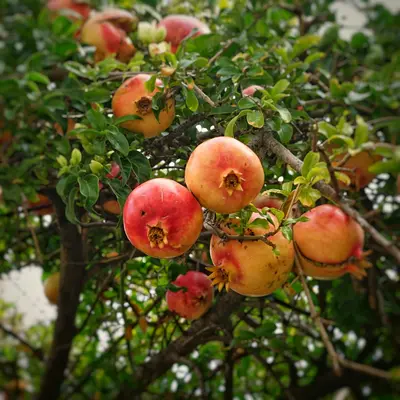
New Zealand's gift to the apple world, Gala has become one of the most popular varieties globally thanks to its perfect balance of sweet flavor and crisp texture. These beautiful red and yellow striped apples ripen earlier than most varieties, making them perfect for gardeners wanting fresh apples by late summer. Gala trees are reliable producers and the sweet, mild fruit appeals to both children and adults.
Harvest
110-130d
Days to harvest
Sun
Full sun to partial shade
Zones
4–9
USDA hardiness
Height
15-30 feet
Planting Timeline
Showing dates for Gala Apple in USDA Zone 7
All Zone 7 fruit-tree →Zone Map
Click a state to update dates
Gala Apple · Zones 4–9
Growing Details
Complete Growing Guide
Gala apples set fruit earlier than most varieties, so plan for harvesting by late August or early September rather than waiting until fall like other apples. These trees thrive in full sun with well-draining soil and benefit from cross-pollination with compatible varieties like Fuji or Honeycrisp for optimal fruit set. Gala is moderately susceptible to powdery mildew and cedar apple rust, particularly in humid climates, so ensure good air circulation and consider preventative fungal sprays during bloom. The trees have a tendency toward alternate bearing—heavy production one year followed by lighter yields the next—which you can minimize through consistent thinning of developing fruit in early summer. Prune in late winter while dormant to maintain an open canopy structure, which reduces disease pressure and improves both fruit quality and the tree's overall vigor and productivity throughout its lifespan.
Light: Full sun (6 or more hours of direct sunlight a day), Partial Shade (Direct sunlight only part of the day, 2-6 hours). Soil: Clay, Loam (Silt), Sand. Soil pH: Alkaline (>8.0), Neutral (6.0-8.0). Drainage: Good Drainage, Moist, Occasionally Dry. Height: 15 ft. 0 in. - 30 ft. 0 in.. Spread: 15 ft. 0 in. - 30 ft. 0 in.. Spacing: 24-60 feet. Growth rate: Medium. Maintenance: High. Propagation: Grafting, Seed. Regions: Coastal, Mountains, Piedmont.
Harvesting
Gala apples reach peak harvest readiness when their characteristic red and yellow striped coloring deepens to a rich, saturated hue, typically in late summer to early fall. The fruit should feel firm yet yield slightly to gentle pressure, and individual apples will detach easily from the branch with a simple twist when fully mature. Unlike single-harvest varieties, Gala trees produce fruit continuously over several weeks, allowing gardeners to pick apples progressively as they ripen rather than all at once. For optimal sweetness, harvest when the ground color beneath the red striping shifts from green to yellow, as this indicates peak sugar development and the honey-like flavor characteristic of the cultivar.
Large, round, firm fruits that often have a waxy coating. Some varieties ripen late summer and some in the fall.
Color: Gold/Yellow, Green, Red/Burgundy. Type: Pome. Length: > 3 inches. Width: > 3 inches.
Garden value: Edible
Harvest time: Fall, Summer
Edibility: Fruits can be eaten raw and cooked in a variety of dishes.
Storage & Preservation
Fresh Gala apples store best in the refrigerator at 32-35°F with high humidity, lasting 2-3 months when properly stored. Wrap individual apples in newspaper or store in perforated plastic bags to maintain moisture while preventing ethylene gas buildup. At room temperature, they'll stay fresh for 1-2 weeks.
For preservation, Galas excel at making applesauce due to their naturally sweet flavor and smooth texture when cooked. Their mild taste makes them perfect for dehydrating into apple chips—slice thin, treat with lemon juice, and dry at 135°F for 6-12 hours. They also freeze well when sliced and treated with ascorbic acid, maintaining their sweet flavor for up to 8 months. While not traditional cider apples, Galas can be pressed for a mild, sweet juice that's excellent for fresh drinking or blending with tarter varieties.
History & Origin
Gala apples originated in New Zealand during the 1930s as a cross between Gayal and Golden Delicious varieties, developed by J. H. Gale at the Malling Research Station. The variety gained international recognition and was commercially introduced to the global market in the mid-twentieth century, becoming one of the world's most widely cultivated apple varieties. The name "Gala" reflects the breeder's surname and the variety's celebratory qualities. Its early ripening season and reliable productivity made it particularly attractive to commercial growers and home gardeners alike, contributing to its rapid worldwide adoption across diverse growing regions.
Origin: Central Asia to Afghanistan
Advantages
- +Early ripening variety produces fresh apples by late summer months
- +Sweet, mild flavor with honey notes appeals to children and adults
- +Reliable, consistent producer with beautiful red and yellow striped appearance
- +Crisp texture and balanced sweetness make Gala excellent fresh-eating apples
- +New Zealand heritage variety proven popular and widely available globally
Considerations
- -Highly susceptible to apple scab and powdery mildew diseases
- -Frequent pest pressure from codling moths and apple maggots required
- -Fire blight can devastate Gala trees in humid, warm climates
- -Requires regular preventative spraying for disease and pest management
Companion Plants
Chives and dill attract parasitic wasps and aphid predators, which matters because aphids hit Gala's tender new growth hard in spring — and both plants are shallow-rooted enough to coexist peacefully with feeder roots in the top 12 inches of soil. Comfrey earns its spot in a ring about 3 feet from the trunk: its taproot pulls calcium and potassium up from below the tree's main root zone, and chopped leaves laid as mulch return those minerals to the surface. Skip grass under the drip line entirely — it competes aggressively for water at the same depth as feeder roots, and drought stress is one of the things that makes Gala more susceptible to fire blight (Erwinia amylovora). Black walnut is a flat-out no: juglone, the allelopathic compound it releases through roots and decomposing leaves, is documented to stunt and kill Malus species.
Plant Together
Chives
Repels aphids, Japanese beetles, and other apple pests while improving soil health
Nasturtiums
Acts as trap crop for aphids and woolly aphids, deters codling moths
Marigolds
Repels nematodes and various insects, attracts beneficial predatory insects
Comfrey
Deep roots bring nutrients to surface, leaves make excellent mulch and compost
Lavender
Repels moths, fleas, and flies while attracting beneficial pollinators
Dill
Attracts beneficial insects like ladybugs and parasitic wasps that control apple pests
Clover
Fixes nitrogen in soil, provides living mulch, and attracts beneficial insects
Tansy
Repels ants, mice, and flying insects that can damage apple trees
Keep Apart
Black Walnut
Produces juglone toxin that inhibits apple tree growth and can cause stunting
Grass
Competes heavily for water and nutrients, especially problematic for young apple trees
Fennel
Allelopathic properties inhibit growth of apple trees and most other plants
Nutrition Facts
Per 100g serving. % Daily Value based on 2,000 calorie diet. Source: USDA FoodData Central (FDC #168171)
Pests & Disease Resistance
Resistance
Moderate resistance to scab, susceptible to fire blight and powdery mildew
Common Pests
Codling moth, apple maggot, aphids, scale insects
Diseases
Fire blight, apple scab, powdery mildew, cedar apple rust
Troubleshooting Gala Apple
What you'll see, why it happens, and what to do about it.
Small, circular brown-russetted spots on fruit skin, sometimes with a corky texture, appearing mid-summer
Likely Causes
- Apple scab (Venturia inaequalis) — a fungal disease that overwinters in fallen leaves and sporulates during wet spring weather
- Cedar apple rust (Gymnosporangium juniperi-virginianae) — requires both a juniper/cedar host and an apple host to complete its life cycle
What to Do
- 1.Rake and dispose of all fallen leaves in autumn — don't compost them
- 2.Apply a sulfur-based or copper fungicide starting at green tip (bud break) and repeat every 7-10 days through petal fall
- 3.If cedar apple rust is the problem, remove any eastern red cedar (Juniperus virginiana) within a few hundred feet if feasible, or plan to replace the tree with a rust-resistant variety at replanting
New shoot tips wilting and turning dark brown or black, often with a shepherd's crook bend, in spring or early summer
Likely Causes
- Fire blight (Erwinia amylovora) — a bacterial disease that enters through blossoms or wounds during warm, wet weather above 65°F
- Overhead irrigation or heavy rain during bloom that splashes bacteria into open flowers
What to Do
- 1.Prune infected shoots at least 8-12 inches below the visible damage; sterilize pruners between every cut with 70% isopropyl alcohol or a 10% bleach solution
- 2.Bag or burn the pruned material — do not leave it on the ground
- 3.Cut back on high-nitrogen fertilizer in spring; the soft, fast growth it encourages is exactly what fire blight colonizes first
Small entry holes in fruit skin with brown granular frass near the stem or calyx end, fruit dropping prematurely
Likely Causes
- Codling moth (Cydia pomonella) — larvae bore into developing fruit and feed toward the core, often going undetected until harvest
- Apple maggot (Rhagoletis pomonella) — adult fly lays eggs under the skin; larvae tunnel through flesh leaving brown streaks
What to Do
- 1.Hang 1-2 red sphere sticky traps per tree by petal fall to monitor and intercept apple maggot flies; replace the coating every 4-6 weeks
- 2.Use codling moth pheromone traps to time sprays — NC State Extension recommends applying spinosad or kaolin clay within 3-5 days of peak moth catch
- 3.Pick up and destroy all dropped fruit at least once a week; windfalls left under the tree are a nursery for the next generation
Frequently Asked Questions
How long does a Gala apple tree take to produce fruit?▼
Can you grow Gala apples in containers?▼
What does a Gala apple taste like compared to other varieties?▼
When should I plant Gala apple trees?▼
Are Gala apples good for beginners to grow?▼
Do Gala apple trees need a pollinator?▼
Zone-by-Zone Planting Calendar
Growing Guides from Wind River Greens
Sources & References
External authority sources used in compiling this guide.
See the Methodology page for how this data is sourced, what's AI-assisted, and known limitations.