Cinnamon Basil
Ocimum basilicum
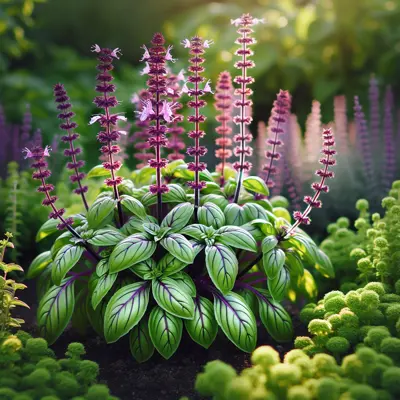
Tall, fast-growing plants have distinctive violet stems, veining, and flower bracts with lavender blooms and 2" long leaves. Beautiful in casual flower bouquets. Ht. 26-30".Edible Flowers: Use the flowers in any recipe that calls for basil, or to garnish drinks, salads, soups, pasta, and desserts. Flavor is of intense basil with a note of mint, anise, and cinnamon.
Harvest
65d
Days to harvest
Sun
Full sun to partial shade
Zones
10–10
USDA hardiness
Height
0-3 feet
Planting Timeline
Showing dates for Cinnamon Basil in USDA Zone 10
All Zone 10 herb →Zone Map
Click a state to update dates
Cinnamon Basil · Zones 10–10
Growing Details
Succession Planting
Basil keeps producing as long as you pinch flower heads before they open — a single planting can carry you from transplant through frost without any help from you beyond that. Individual plants do get woody and slow down past the 90-day mark, so in zone 10, where your growing window runs nearly year-round, start a second tray of transplants around August to keep a fresh flush going into fall. Stop starting new plants once nighttime lows are reliably below 50°F; basil won't put on useful growth, and cold air blackens the leaves within a day or two of a dip.
Complete Growing Guide
Cinnamon basil germinates quickly and thrives when started indoors four to six weeks before your last spring frost. Seeds can also be direct sown into the garden after all danger of frost has passed and soil temperatures reach at least 70°F. This variety's fast growth habit means you'll see seedlings emerge within seven to ten days. If starting indoors, use a sterile seed-starting mix and maintain consistent moisture without waterlogging. Transplant seedlings outdoors once they've developed true leaves and nighttime temperatures stay above 55°F.
Space cinnamon basil plants 12 to 18 inches apart to allow for their vigorous vertical growth—these plants reach 26 to 30 inches tall and need good air circulation. Direct sow seeds just barely covering them, as basil seeds need light to germinate. Prepare beds with rich, well-draining soil amended with compost; this variety responds enthusiastically to fertile conditions. While basil tolerates average soil, cinnamon basil's vigorous nature rewards gardeners who invest in good preparation, producing more abundant foliage and those stunning violet-stemmed plants you're growing for.
Water consistently throughout the growing season, keeping soil evenly moist but not soggy—about one inch per week depending on rainfall and heat. Feed every three to four weeks with a balanced, diluted fertilizer or fish emulsion to support continuous growth and flower production. Reduce nitrogen slightly as the season progresses if you want to encourage more flowering for your edible garnishes.
This cultivar attracts aphids, whiteflies, and Japanese beetles more readily than some other basil types, likely because of its tender, abundant growth. Scout plants twice weekly, particularly checking undersides of those distinctive 2-inch leaves. For aphids and whiteflies, a strong water spray or insecticidal soap application works well early in infestations. Japanese beetles are harder to control organically once present; hand-picking in early morning remains most effective. Watch closely for fusarium wilt, which causes sudden wilting despite adequate moisture, and bacterial leaf spot, which appears as dark lesions on foliage. Remove affected leaves immediately and improve air circulation by pruning lower growth.
Pinch off the growing tips regularly once plants reach six inches tall to encourage bushier, fuller growth rather than a single tall stem. This also delays flowering, which extends your harvest window. When blooms do appear—beautiful lavender flowers that mature around 65 days—harvest them freely for cocktails, salads, and desserts; their anise-cinnamon notes are extraordinary.
Many gardeners forget that cinnamon basil, despite its ornamental beauty, genuinely needs six to eight hours of direct sun daily to develop those vibrant violet stems and maintain the intensity of its complex flavor. Less light results in pale, weak plants with diminished taste. Plant in your sunniest spot and watch this distinctive herb thrive.
Harvesting
Harvest cinnamon basil when the violet stems display deep color saturation and the 2-inch leaves feel firm yet tender to the touch, typically around day 50-55 before peak flowering at day 65. Pinch off flower buds and upper leaf clusters regularly to encourage bushier growth and extend the harvest season, rather than waiting for a single mature cutting. For maximum cinnamon and anise flavor intensity, harvest in the morning after dew dries but before heat peaks, as essential oils concentrate during cooler hours. Continuous harvesting of the top 6-8 inches prevents the plant from becoming leggy and promotes prolific regrowth throughout the growing season.
Edibility: Leaves and flowers in tea, as flavoring
Storage & Preservation
Fresh cinnamon basil leaves store best at room temperature with stems in water, like cut flowers, lasting 5-7 days. Avoid refrigerating fresh basil as it blackens quickly in cold temperatures. If you must refrigerate, wrap gently in barely damp paper towels and use within 2-3 days.
For drying, hang small bundles of stems in a warm, dark, well-ventilated area until crispy, about 1-2 weeks. The dried leaves retain their cinnamon scent beautifully and work excellently in teas and potpourri.
Freeze whole leaves on baking sheets, then transfer to freezer bags for up to 6 months. Frozen leaves work well in cooked dishes but won't maintain texture for fresh applications. You can also puree leaves with a small amount of oil and freeze in ice cube trays for convenient portion-sized additions to stir-fries and curries.
History & Origin
Cinnamon Basil emerged as a cultivated selection within the broader Ocimum basilicum species, though detailed documentation of its specific origin remains limited. Like many ornamental and culinary basil varieties, it likely developed through informal selection processes by gardeners and seed companies rather than formal breeding programs. The variety's distinctive violet stems and cinnamon-scented profile suggest intentional cultivation for both aesthetic and flavor traits, characteristics that became popular in late twentieth-century herb gardening. While the exact breeder and introduction date are not well-recorded in readily available horticultural archives, Cinnamon Basil represents the type of specialty cultivar that emerged from commercial seed companies catering to growing consumer interest in unusual herbs and edible flowers.
Origin: Tropical Africa and Asia
Advantages
- +Tall 26-30" plants with striking violet stems add ornamental beauty to gardens
- +Fast-growing variety reaches maturity in just 65 days for quick harvesting
- +Edible lavender flowers and leaves offer unique cinnamon-mint-anise flavor for culinary uses
- +Easy difficulty level makes cinnamon basil ideal for beginner gardeners
- +Distinctive appearance and flavor make it excellent for bouquets and garnishes
Considerations
- -Susceptible to multiple pests including aphids, Japanese beetles, slugs, and whiteflies
- -Vulnerable to three significant diseases: fusarium wilt, bacterial leaf spot, and downy mildew
- -Tall growth habit may require staking or support in windy locations
Companion Plants
Tomatoes and peppers are the natural neighbors — plant Cinnamon Basil 12 inches away and the aromatic oils in its foliage do measurable work against aphids and whiteflies that would otherwise cluster on your nightshades. French marigolds (Tagetes patula) nearby are worth adding if your beds have any nematode history; NC State Extension's IPM notes specifically recommend solid marigold plantings to suppress nematode populations before returning susceptible crops to a bed. Rue and sage are the ones to keep at a distance — both exert allelopathic effects on basil, and sage competes directly for the same dry-leaning conditions that basil, needing a steady 1 inch of water per week, simply doesn't share.
Plant Together
Tomatoes
Basil repels hornworms and aphids that commonly attack tomatoes, may enhance tomato flavor
Peppers
Basil deters aphids, spider mites, and thrips that damage pepper plants
Oregano
Similar growing requirements and mutually beneficial pest deterrent properties
Marigolds
Repel nematodes and aphids while attracting beneficial insects that protect basil
Lettuce
Basil provides light shade for lettuce and repels aphids that damage leafy greens
Carrots
Basil improves soil structure and repels carrot flies and other root pests
Asparagus
Basil repels asparagus beetles and both plants benefit from similar soil conditions
Parsley
Compatible growing conditions and basil attracts beneficial insects that protect parsley
Keep Apart
Rue
Allelopathic compounds inhibit basil growth and development
Sage
Competes for nutrients and may inhibit basil growth through root competition
Thyme
Different watering needs and thyme's aggressive spreading can crowd out basil
Nutrition Facts
Per 100g serving. % Daily Value based on 2,000 calorie diet. Source: USDA FoodData Central (FDC #172232)
Pests & Disease Resistance
Resistance
Good resistance to common basil diseases when grown in proper conditions
Common Pests
Aphids, Japanese beetles, slugs, whiteflies
Diseases
Fusarium wilt, bacterial leaf spot, downy mildew
Troubleshooting Cinnamon Basil
What you'll see, why it happens, and what to do about it.
Grayish-purple fuzz on the undersides of leaves, with yellowing on top — often appearing fast after a humid stretch
Likely Causes
- Downy mildew (Peronospora belbahrii) — a fungus-like organism that spreads via airborne spores and thrives when nights stay above 60°F with high humidity
- Overcrowded planting that traps moisture around foliage
What to Do
- 1.Pull and trash affected plants immediately — downy mildew on basil moves fast and there's no reliable cure once it's established
- 2.Space remaining plants to the full 12–18 inches and water at the base, not overhead
- 3.If you're starting fresh, look for downy-mildew-tolerant varieties like 'Eleonora' or 'Amazel' — Cinnamon Basil has no notable resistance
Sudden wilting of an entire plant that doesn't recover overnight, with brown streaking inside the stem when you cut it
Likely Causes
- Fusarium wilt (Fusarium oxysporum f. sp. basilici) — a soilborne fungus that persists in soil for years and blocks the plant's vascular tissue
- Reusing the same bed for basil year after year without rotation
What to Do
- 1.Remove the plant and its root ball entirely — don't compost it
- 2.Don't plant basil or other susceptible herbs in that spot for at least 3 seasons
- 3.Solarize the bed in summer (clear plastic, 4–6 weeks) to reduce soilborne pathogen load before replanting
Frequently Asked Questions
How long does cinnamon basil take to grow from seed?▼
Can you grow cinnamon basil in containers?▼
What does cinnamon basil taste like compared to sweet basil?▼
Is cinnamon basil good for beginners?▼
When should I plant cinnamon basil seeds?▼
Can I save seeds from cinnamon basil plants?▼
Zone-by-Zone Planting Calendar
| Zone | Indoor Start | Transplant | Direct Sow | Harvest |
|---|---|---|---|---|
| Zone 10 | January – January | February – April | — | April – December |
Growing Guides from Wind River Greens
Sources & References
External authority sources used in compiling this guide.
See the Methodology page for how this data is sourced, what's AI-assisted, and known limitations.