Brush Strokes
Viola cornuta
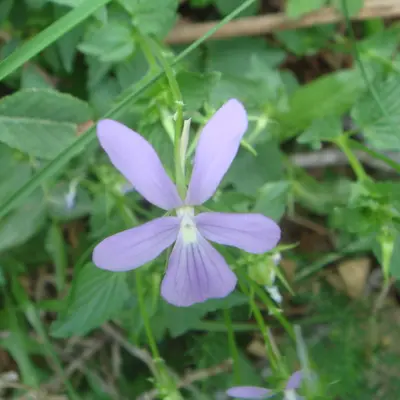
Cheerful faces sparkle in shades of apricot, gold, peach, lavender, plum, purple, and cream. You could spend hours gazing at the intricate patterning of the petals and their varied splashes, flecks, and stripes of color. Each plant seems to produce a unique color combination. Not selected for a short, mounding plant habit like most modern cultivars, this mix yields taller, more vigorous plants in a range of heights. Sweetly fragrant. Bloom size: 1 1/2-2 1/2".Overwinters well in our (Zone 5) unheated tunnel, yielding 12-18" stems that are perfect for mixing into early spring bouquets.Also known as pansy, Johnny jump-up, European field pansy, and horned violet. Edible Flowers: Decorative and edible garnish for salads and desserts with slight wintergreen flavor. While a popular choice for brightening up salad mix, the flowers are also good for candying.
Harvest
60-70d
Days to harvest
Sun
Full sun to partial shade
Zones
6–11
USDA hardiness
Height
6-9 inches
Planting Timeline
Showing dates for Brush Strokes in USDA Zone 7
All Zone 7 flower →Zone Map
Click a state to update dates
Brush Strokes · Zones 6–11
Growing Details
Succession Planting
In zone 7, start seeds indoors under lights around February 15th and plan a second sow 3 weeks later, around March 7th. Transplant the first batch out in early April once nights stay reliably above 40°F; the second batch follows in late April. Staggering like this stretches your bloom window through May and into June before heat shuts things down. Once daytime highs are consistently hitting 80°F, Brush Strokes violas stop blooming well and start getting leggy — don't fight it.
Skip midsummer entirely. Direct sow again in late August for a fall flush; violas rebound once temperatures drop back below 75°F and can carry through November in most of zone 7 without any protection.
Complete Growing Guide
Cheerful faces sparkle in shades of apricot, gold, peach, lavender, plum, purple, and cream. You could spend hours gazing at the intricate patterning of the petals and their varied splashes, flecks, and stripes of color. Each plant seems to produce a unique color combination. Not selected for a short, mounding plant habit like most modern cultivars, this mix yields taller, more vigorous plants in a range of heights. Sweetly fragrant. Bloom size: 1 1/2-2 1/2".Overwinters well in our (Zone 5) unheated tunnel, yielding 12-18" stems that are perfect for mixing into early spring bouquets.Also known as pansy, Johnny jump-up, European field pansy, and horned violet. Edible Flowers: Decorative and edible garnish for salads and desserts with slight wintergreen flavor. While a popular choice for brightening up salad mix, the flowers are also good for candying. According to Johnny's Selected Seeds, Brush Strokes is 60 - 70 days to maturity, annual, open pollinated. Notable features: Grows Well in Containers, Use for Cut Flowers and Bouquets, Edible Flowers, Fragrant.
Light: Full sun (6 or more hours of direct sunlight a day), Partial Shade (Direct sunlight only part of the day, 2-6 hours). Soil: Clay, Loam (Silt), Sand. Soil pH: Acid (<6.0), Neutral (6.0-8.0). Drainage: Good Drainage, Moist. Height: 0 ft. 6 in. - 0 ft. 9 in.. Spread: 0 ft. 6 in. - 1 ft. 0 in.. Spacing: Less than 12 inches. Growth rate: Rapid. Maintenance: Low, Medium. Propagation: Division, Seed. Regions: Coastal, Mountains, Piedmont.
Harvesting
Brush Strokes reaches harvest at 60 - 70 days from sowing per Johnny's Selected Seeds. Expect 1 1/2-2 1/2". at peak. As an annual, harvest continues until frost ends the season.
The fruit is a three valves capsule. The seeds have an oily feel and are freely dispersed by ants.
Edibility: Flowers and leaves are edible.
Storage & Preservation
Brush Strokes violas are best enjoyed fresh immediately after picking. Store cut stems in a vase with cool water in a cool room, away from direct sunlight and ripening fruit—they'll last 5-7 days. For longer preservation, press flowers between parchment paper under heavy books for 2-3 weeks to create dried specimens for crafts and arrangements. Alternatively, candy the petals by brushing with egg white, sprinkling with sugar, and drying on parchment for 24-48 hours—store in an airtight container for up to 2 months. Fresh petals can also be frozen in ice cubes with water for decorative drinks.
History & Origin
Brush Strokes is open-pollinated, meaning seed saved from healthy plants will produce true-to-type offspring. Listed in the Johnny's Selected Seeds catalog.
Origin: France and Spain
Advantages
- +Unique hand-painted petal patterns make each plant visually distinctive and striking
- +Taller, more vigorous growth habit provides longer stems ideal for cutting bouquets
- +Sweet fragrance adds sensory appeal beyond visual beauty
- +Edible flowers serve dual purpose as garnish and culinary decoration
- +Overwinters reliably in Zone 5 tunnels for early spring harvests
Considerations
- -Variable plant heights may require staking or support in windy locations
- -Taller growth habit demands more space than compact modern pansy cultivars
- -Intricate petal patterns require careful inspection for pest damage and disease
Companion Plants
French marigolds (Tagetes patula) are the most practical neighbor for Brush Strokes violas. They emit thiophenes from their roots — compounds that suppress soil nematodes — and their scent disrupts aphids looking for a landing spot. Since aphids are one of the main pests on violas, this is more than decorative. Plant them 6-8 inches apart in alternating clusters and you get pest suppression without either plant crowding the other.
Sweet alyssum and catmint pull their weight for different reasons. Alyssum draws in parasitic wasps and hoverflies that prey on aphids, which layers nicely on top of what the marigolds are already doing. Catmint (Nepeta spp.) repels both aphids and spider mites through its volatile oils, and in our zone 7 Georgia springs — where warm snaps arrive earlier than you'd like — catmint holds up through that shoulder season better than softer-stemmed companions. Nasturtiums are worth tucking in as well; they act as a trap crop, pulling aphid pressure away from the violas and concentrating it somewhere you can deal with it in one pass.
Black Walnut and Eucalyptus are the ones to keep off the same bed entirely. Black Walnut produces juglone, a compound that leaches through the soil from roots and leaf litter and stunts sensitive plants — violas are shallow-rooted enough that they'd show wilting and yellowing within a season of exposure. Eucalyptus does something similar with cineole from its decomposing leaves. Neither problem is fixable with amendments; the only real fix is distance or a different location altogether.
Plant Together
Marigolds
Repel aphids, whiteflies, and nematodes while attracting beneficial insects
Sweet Alyssum
Attracts beneficial insects like lacewings and hoverflies that control pests
Nasturtiums
Act as trap crops for aphids and cucumber beetles, protecting nearby plants
Lavender
Repels moths, fleas, and mosquitoes while attracting pollinators
Petunias
Repel aphids, tomato hornworms, and squash bugs naturally
Cosmos
Attract beneficial insects and provide good companion structure without competition
Zinnias
Attract ladybugs and other beneficial predators that control garden pests
Catmint
Repels ants, aphids, and rodents while being drought-tolerant companion
Keep Apart
Black Walnut Trees
Release juglone toxin that inhibits growth and can kill sensitive flowering plants
Eucalyptus
Produces allelopathic compounds that suppress growth of nearby plants
Sunflowers
Produce allelopathic chemicals and compete aggressively for nutrients and water
Pests & Disease Resistance
Common Pests
Aphids, slugs, spider mites
Diseases
Powdery mildew, root rot, leaf spot
Troubleshooting Brush Strokes
What you'll see, why it happens, and what to do about it.
White powdery coating on upper leaf surfaces, usually appearing first on older leaves as temperatures warm in late spring
Likely Causes
- Powdery mildew (Erysiphe cichoracearum) — thrives in warm days with cool nights, or in beds with poor air circulation
- Crowded spacing under 6 inches, which traps moisture and cuts airflow
What to Do
- 1.Thin or transplant crowded plants so each viola has at least 6 inches of breathing room
- 2.Spray affected leaves with a diluted solution of 1 tablespoon baking soda per gallon of water — it shifts leaf surface pH enough to slow the fungus
- 3.If the plant is heavily infected and daytime highs are already sitting above 70°F consistently, pull it; Brush Strokes violas will decline fast in heat regardless
Ragged notches eaten from leaf edges overnight, with a silvery slime trail visible on the soil or mulch nearby in the morning
Likely Causes
- Slugs (Deroceras reticulatum or similar) — especially common in mulched beds after rain or irrigation during cool, damp stretches
What to Do
- 1.Scatter iron phosphate bait (Sluggo is a reliable brand) around the base of plants at dusk — safe around pets and edibles
- 2.Pull mulch back 2-3 inches from the crowns temporarily to eliminate the damp hiding spots slugs prefer
- 3.Check under pots and boards nearby at night with a flashlight and remove slugs by hand if populations are high
Frequently Asked Questions
Can you grow Brush Strokes pansies in containers?▼
How long do Brush Strokes flowers bloom?▼
Are these pansies good for beginners?▼
When should I plant Brush Strokes violas for spring blooms?▼
What does the Brush Strokes viola taste like?▼
How tall do Brush Strokes pansies grow?▼
Zone-by-Zone Planting Calendar
| Zone | Indoor Start | Transplant | Direct Sow | Harvest |
|---|---|---|---|---|
| Zone 3 | April – May | June – July | June – August | — |
| Zone 4 | March – April | June – June | June – July | — |
| Zone 5 | March – April | May – June | May – July | — |
| Zone 6 | March – April | May – June | May – July | — |
| Zone 7 | February – March | April – May | April – June | — |
| Zone 8 | February – March | April – May | April – June | — |
| Zone 9 | January – February | March – April | March – May | — |
| Zone 10 | January – January | February – March | February – April | — |
| Zone 1 | May – June | July – August | July – September | — |
| Zone 2 | April – May | June – July | June – August | — |
| Zone 11 | January – January | January – February | January – March | — |
| Zone 12 | January – January | January – February | January – March | — |
| Zone 13 | January – January | January – February | January – March | — |
Growing Guides from Wind River Greens
Sources & References
External authority sources used in compiling this guide.
- BreederJohnny's Selected Seeds
See the Methodology page for how this data is sourced, what's AI-assisted, and known limitations.