Tall Thimbleweed
Anemone virginiana
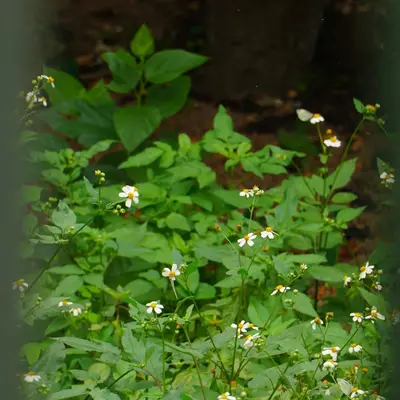
Tall Thimbleweed (Anemone virginiana) is a perennial native wildflower. Hardy in USDA zones 2 to 8. Prefers part sun.
Sun
Partial shade
Zones
2–8
USDA hardiness
Height
2-4 feet
Planting Timeline
Showing dates for Tall Thimbleweed in USDA Zone 7
All Zone 7 native-wildflower →Zone Map
Click a state to update dates
Tall Thimbleweed · Zones 2–8
Growing Details
Complete Growing Guide
Light: Dappled Sunlight (Shade through upper canopy all day), Deep shade (Less than 2 hours to no direct sunlight), Partial Shade (Direct sunlight only part of the day, 2-6 hours). Soil: High Organic Matter, Loam (Silt), Sand. Soil pH: Acid (<6.0), Neutral (6.0-8.0). Drainage: Good Drainage, Moist, Occasionally Dry. Height: 2 ft. 0 in. - 4 ft. 0 in.. Spread: 1 ft. 0 in. - 2 ft. 0 in.. Spacing: 12 inches-3 feet. Growth rate: Medium. Maintenance: Low. Propagation: Division, Seed. Regions: Mountains, Piedmont.
Harvesting
The thimble-like center of the flower becomes elongated to form an achene of about 3/4-1 inch long and 1/2 inch wide. In fall it takes on a cottony look due to long white hairs with numerous seeds attached. They are eventually dispersed by the wind.
Color: Green, White. Type: Achene. Length: < 1 inch. Width: < 1 inch.
Garden value: Showy
Harvest time: Fall, Winter
Storage & Preservation
Tall Thimbleweed is a perennial wildflower, not typically harvested for storage. However, cut flowers should be placed immediately in cool water and displayed in a cool room (65-70°F) with moderate humidity, lasting 7-10 days in a vase. To preserve the delicate blooms longer, change water every 2-3 days and remove lower foliage. For dried arrangements, harvest stems when flowers are fully open, bundle loosely, and hang upside down in a warm, dry, well-ventilated space for 2-3 weeks. Pressed flowers can be preserved between parchment paper under heavy weight for botanical collections.
History & Origin
Origin: Central and eastern United States and much of Canada
Advantages
- +Attracts: Bees
- +Low maintenance
Considerations
- -Toxic (Bark, Flowers, Fruits, Leaves, Roots, Seeds, Stems): Medium severity
- -Causes contact dermatitis
Companion Plants
Wild Bergamot and Purple Coneflower are the most practical companions here — all three bloom in sequence across mid to late summer, keeping pollinators cycling through the same patch without aggressive root competition. Little Bluestem Grass fills the vertical layer without shading Thimbleweed out, and Wild Ginger works underneath in shadier spots since both tolerate dry, acidic soils below pH 6.5. Black Walnut is a hard no — juglone leaches through the soil and is documented to suppress native wildflowers across a wide radius, and Anemone virginiana shows no known tolerance for it. Pull Invasive Garlic Mustard (Alliaria petiolata) on sight; it releases allelopathic compounds that degrade native plant communities at the root zone, and Thimbleweed won't outcompete it once it gets a foothold.
Plant Together
Wild Bergamot
Attracts beneficial pollinators and has similar moisture and soil requirements
Purple Coneflower
Shares similar growing conditions and creates diverse habitat for native insects
Little Bluestem Grass
Provides structural support and complements in prairie plantings
Wild Ginger
Thrives in similar woodland conditions and provides ground cover
Columbine
Compatible shade tolerance and attracts different pollinators for ecosystem diversity
Wild Lupine
Fixes nitrogen in soil, benefiting thimbleweed's nutrient uptake
Ferns
Create similar woodland microclimate and moisture retention
Jack-in-the-Pulpit
Compatible woodland native with similar soil and light preferences
Keep Apart
Black Walnut
Releases juglone toxin that inhibits growth of many understory plants
Invasive Garlic Mustard
Aggressive competitor that crowds out native wildflowers and alters soil chemistry
Norway Maple
Creates dense shade and shallow root system competes aggressively for moisture
Troubleshooting Tall Thimbleweed
What you'll see, why it happens, and what to do about it.
Seedlings or young plants failing to establish — wilting, yellowing, and dying off within the first season despite adequate moisture
Likely Causes
- Transplant shock combined with root disturbance — Anemone virginiana resents having its roots messed with
- Soil too rich or amended with heavy compost, which this plant doesn't want
What to Do
- 1.Start seeds in deep cells or pots and disturb the rootball as little as possible at transplant time
- 2.Skip the compost amendment — plant directly into native or lean soil with a pH between 6.0 and 7.5 and let it find its footing
- 3.If transplanting in spring, water weekly for the first 6 weeks, then back off completely
Fluffy seed heads disappearing rapidly in late summer before you've had a chance to collect seed
Likely Causes
- American goldfinch (Spinus tristis) feeding on the seed heads — they're fast and thorough
- Wind dispersal — the achenes are designed to travel, and a good breeze empties a head in hours
What to Do
- 1.Cut a few seed heads in early August while they're still forming and dry them indoors in a paper bag
- 2.If you want to let birds feed but still collect some seed, loosely tie a small mesh bag over two or three heads as they mature
Frequently Asked Questions
Is Tall Thimbleweed good for beginner gardeners?▼
Can you grow Tall Thimbleweed in containers?▼
When should I plant Tall Thimbleweed?▼
How tall does Tall Thimbleweed grow?▼
How long do Tall Thimbleweed flowers bloom?▼
Does Tall Thimbleweed attract pollinators?▼
Zone-by-Zone Planting Calendar
Growing Guides from Wind River Greens
Sources & References
External authority sources used in compiling this guide.
- ExtensionNC State Extension
See the Methodology page for how this data is sourced, what's AI-assisted, and known limitations.