Mizuna
Brassica rapa var. japonica
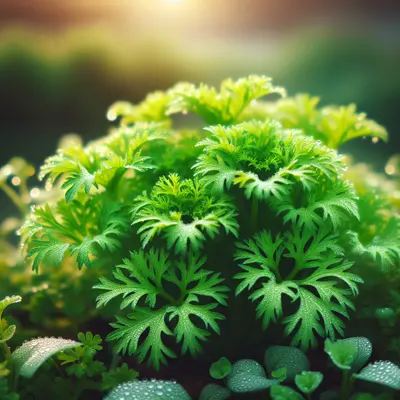
Mizuna is a Japanese mustard green featuring delicate, feathery leaves with a lacy appearance that resemble fine parsley. This heirloom brassica matures quickly in 21-45 days, making it ideal for succession planting. Unlike assertive mustard greens, mizuna offers a mild, slightly peppery flavor with a fresh, clean taste that adds subtle complexity to salads and Asian dishes. The tender leaves are less fibrous than standard mustard varieties, allowing them to be eaten raw or lightly cooked. Mizuna thrives in cool seasons and tolerates partial shade, making it versatile for various growing conditions.
Harvest
21-45d
Days to harvest
Sun
Full sun to partial shade
Zones
5–11
USDA hardiness
Height
3 feet
Planting Timeline
Showing dates for Mizuna in USDA Zone 7
All Zone 7 brassica →Zone Map
Click a state to update dates
Mizuna · Zones 5–11
Growing Details
Succession Planting
Direct sow every 14–21 days starting March 1 in zone 7, running through early May. Pick back up in late August and continue through October. The spring window closes when daytime highs consistently hit 80–85°F — mizuna bolts fast in heat, turning bitter and throwing a flower stalk within a week of the temperature tipping over. Fall is the more forgiving window; plants started in late September handle light frost down to about 25°F and actually improve in flavor as temperatures drop.
For cut-and-come-again harvests (cutting at 3–4 inches and leaving the crown), a single sowing gives 2–3 cuts over roughly 3 weeks before quality falls off. If you're growing baby greens at the 21-day mark, tighten spacing to 2–3 inches and treat each sowing as one harvest — resowing is faster than waiting on regrowth at that density.
Complete Growing Guide
Start mizuna from seed directly in your garden beds, as it doesn't transplant well due to its taproot. Prepare your soil by working in 2-3 inches of compost or well-aged manure to create the loose, fertile growing medium mizuna thrives in. The ideal soil pH ranges from 6.0-7.0, and good drainage is essential to prevent root rot.
Sow seeds ¼ inch deep in rows spaced 12 inches apart, then thin seedlings to 4-6 inches between plants for full-sized heads or 2-3 inches for baby leaf harvests. In zones 3-6, plant mizuna in early spring (2-4 weeks before last frost) and again in late summer for fall harvest. Southern gardeners in zones 7-10 can grow mizuna through winter, making it an excellent cool-season green when other crops struggle.
Succession plant every 2-3 weeks to ensure continuous harvests throughout the growing season. Mizuna performs best in temperatures between 50-70°F and will bolt quickly once temperatures consistently exceed 75°F. In hot climates, provide afternoon shade or use shade cloth during summer months.
Fertilize lightly at planting with a balanced organic fertilizer, then side-dress with nitrogen-rich compost or fish emulsion every 3-4 weeks. Avoid over-fertilizing with nitrogen, which can make leaves tough and overly peppery. Maintain consistent soil moisture with 1 inch of water weekly, using mulch to retain moisture and suppress weeds.
Common mistakes include planting too thickly (leading to weak, spindly plants), harvesting too late (leaves become bitter), and growing in hot weather without protection. Maximize yields by harvesting outer leaves regularly to encourage continued production, and plant in blocks rather than single rows to create beneficial microclimates that help plants stay cool and retain moisture.
Harvesting
Begin harvesting mizuna baby leaves when they reach 3-4 inches tall, typically 21-30 days from seeding. For full-sized leaves, wait until they're 6-8 inches long with fully developed feathery serrations, usually around 40-45 days. The best visual cue is when leaves have a bright green color and crisp texture—avoid yellowing or wilted leaves which indicate the plant is stressed or bolting.
Harvest in early morning when leaves are fully hydrated and crisp. Use clean scissors or a sharp knife to cut outer leaves first, leaving the growing center intact for continued production. Cut leaves about ½ inch above soil level to avoid damaging the crown. You can harvest individual leaves or cut the entire plant 1 inch above ground—mizuna will regrow 2-3 times before declining in quality. Stop harvesting once flower buds appear, as leaves become increasingly bitter and tough.
Storage & Preservation
Fresh mizuna keeps best when stored immediately after harvest. Rinse leaves in cold water, spin dry thoroughly, and store in perforated plastic bags in the refrigerator crisper drawer. Properly stored mizuna maintains quality for 7-10 days at 32-35°F with high humidity.
For preservation, mizuna freezes well when blanched for 30 seconds in boiling water, then shocked in ice water and drained. Frozen mizuna works excellently in cooked dishes but loses its crisp texture for raw applications. Dehydrate young leaves at 95°F for crispy snacks or grind dried leaves into seasoning powder. Mizuna also ferments beautifully—try adding it to kimchi or sauerkraut for a mild peppery note that complements stronger flavors without overwhelming the ferment.
History & Origin
Mizuna (Brassica rapa var. nipposinica) originated in the Kansai region of Japan, particularly around Kyoto, where it has been cultivated since at least the 16th century. The name 'mizuna' translates to 'water greens,' reflecting its traditional cultivation method in flooded fields during winter months. Japanese farmers developed this variety specifically for cool-season production, selecting for its exceptional cold tolerance and ability to grow in wet conditions.
Historically, mizuna served as a crucial winter vegetable when few other greens could survive Japan's harsh winters. It became deeply integrated into Kyoto's culinary culture, appearing in traditional hot pot dishes and as pickled vegetables. The variety remained relatively unknown outside Japan until the 1980s when specialty seed companies began introducing Asian vegetables to Western markets. Today's mizuna varieties still closely resemble their historical ancestors, making this a true heirloom with an unbroken chain of cultivation spanning over 400 years.
Advantages
- +Exceptional bolt resistance in cool weather extends harvest window significantly
- +Cut-and-come-again growth provides 3-4 harvests from single planting
- +Rapid 21-day baby leaf harvest perfect for impatient gardeners
- +Thrives in partial shade where other greens struggle
- +Naturally pest-resistant due to quick growth cycle
- +Beautiful feathery foliage doubles as ornamental garden accent
- +Mild peppery flavor appeals to those who find arugula too strong
Considerations
- -Bolts rapidly in temperatures above 75°F, limiting summer growing
- -Flea beetles can quickly riddle young leaves with holes
- -Short shelf life requires frequent harvesting and immediate use
- -Poor transplant success due to sensitive taproot system
- -Becomes bitter and tough once flowering begins
Companion Plants
Radishes and lettuce are the two most practical beds-mates for mizuna. Radishes act as a trap crop, pulling flea beetles away from the mizuna — they're irresistible to Phyllotreta spp. — and their 25–30 day cycle gets them out of the ground before any real root competition develops. Lettuce fits because it's shallow-rooted and finishes fast, filling gaps without drawing from the same water depth as mizuna's feeder roots. Chives and dill pull their weight differently: NC State Extension's IPM research notes that mixing plant families can break up the scent concentration that aphids and cabbage insects follow, and both of those plants introduce enough olfactory interference to slow a Brevicoryne brassicae buildup.
Tomatoes are the clearest conflict — deep roots, heavy nitrogen demand, and a canopy that can shade out a low-growing green well below mizuna's minimum 4-hour sun threshold. Pole beans are a subtler problem: their nitrogen fixation sounds like a benefit, but it releases too slowly to matter in a 21–45 day crop cycle, and the vines sprawl into exactly the kind of dense, low-airflow tangle that Peronospora parasitica prefers.
Plant Together
Lettuce
Shallow roots don't compete, provides living mulch and maximizes space usage
Radishes
Helps break up soil, deters flea beetles that commonly attack brassicas
Carrots
Deep taproot doesn't compete with shallow mizuna roots, improves soil structure
Onions
Strong scent repels cabbage worms, aphids, and other brassica pests
Dill
Attracts beneficial insects like parasitic wasps that control cabbage pests
Nasturtiums
Acts as trap crop for flea beetles and aphids, draws pests away from mizuna
Spinach
Similar growing requirements, harvested at different times for succession planting
Chives
Repels aphids and cabbage worms with sulfur compounds
Keep Apart
Strawberries
Can inhibit growth of brassicas and may compete for similar nutrients
Tomatoes
May stunt brassica growth and attract pests that also damage mizuna
Pole beans
Can shade mizuna excessively and compete for nitrogen in soil
Nutrition Facts
Per 100g serving. % Daily Value based on 2,000 calorie diet. Source: USDA FoodData Central (FDC #747447)
Pests & Disease Resistance
Resistance
Good bolt resistance in cool weather. Generally pest and disease resistant due to quick growth.
Common Pests
Flea beetles, aphids, cabbage worms (less susceptible than other brassicas)
Diseases
Rarely affected due to quick growing cycle. Occasional downy mildew in humid conditions.
Troubleshooting Mizuna
What you'll see, why it happens, and what to do about it.
Tiny round holes shotgunned across leaves, especially on young seedlings
Likely Causes
- Flea beetles (Phyllotreta spp.) — almost always the culprit on brassicas in spring and fall
- Seedlings planted into a bed that hosted brassicas the previous season, giving flea beetle populations a head start
What to Do
- 1.Drape row cover (Agribon AG-19 or similar) directly over the bed at sowing — flea beetles can't find what they can't smell
- 2.If damage is already underway, apply kaolin clay (Surround WP) to coat the leaves and deter feeding
- 3.Rotate mizuna out of any bed that grew cabbage, broccoli, or mustard the prior season; NC State Extension notes that brassica pests build up across seasons in the same soil
Leaves curling or sticky, with small clusters of soft-bodied insects on undersides or at growing tips
Likely Causes
- Aphids — most commonly cabbage aphid (Brevicoryne brassicae) or green peach aphid (Myzus persicae)
- Planting a solid block of mizuna (or other brassicas nearby) concentrates the crop's scent and draws aphid pressure faster than a mixed bed would
What to Do
- 1.Knock aphids off with a firm spray of water — repeat every 2–3 days until populations drop
- 2.NC State Extension's IPM guidance notes that mixing plant families can interrupt pest spread by diluting the attractive odor of the preferred crop; chives or dill planted in the same bed put that principle to work
- 3.For heavy infestations, spray insecticidal soap (1–2% solution) directly on the colonies, covering leaf undersides
Ragged holes chewed through leaf middles or edges, with small green caterpillars visible on the plant
Likely Causes
- Imported cabbageworm (Artogeia rapae) or cabbage looper (Trichoplusia ni) — mizuna is less susceptible than heading brassicas, but not immune
- White cabbage butterflies laying eggs on leaves — check undersides for tiny yellow eggs before caterpillars hatch
What to Do
- 1.Pick caterpillars off by hand if the infestation is light; mizuna is harvestable in as few as 21 days, so cutting and eating ahead of heavy damage is a legitimate strategy
- 2.Apply Bacillus thuringiensis var. kurstaki (Bt) as a foliar spray when populations are high — specific to caterpillars, won't affect beneficial insects
- 3.Row cover installed at direct sow eliminates egg-laying entirely
Gray-white fuzzy coating on leaf undersides, with leaves yellowing from the top down
Likely Causes
- Downy mildew (Peronospora parasitica) — most likely in cool, humid weather with poor airflow between plants
- Spacing tighter than 6 inches, which traps moisture and keeps foliage wet longer than it should be
What to Do
- 1.Thin or harvest plants to open spacing to at least 6 inches for cut-and-come-again, 12 inches for full heads
- 2.Switch to drip irrigation or water in the morning so leaves dry before nightfall — NC State Extension makes this recommendation across brassica crops
- 3.Pull and trash (don't compost) any badly affected plants; Peronospora spores spread readily in humid air
Frequently Asked Questions
How long does mizuna take to grow?▼
Can you grow mizuna in containers?▼
What does mizuna taste like?▼
When should I plant mizuna?▼
Is mizuna good for beginners?▼
Mizuna vs arugula - what's the difference?▼
Zone-by-Zone Planting Calendar
| Zone | Indoor Start | Transplant | Direct Sow | Harvest |
|---|---|---|---|---|
| Zone 1 | April – May | June – July | June – July | July – September |
| Zone 2 | April – May | June – July | May – July | June – September |
| Zone 11 | January – January | January – February | January – February | January – December |
| Zone 12 | January – January | January – February | January – February | January – December |
| Zone 13 | January – January | January – February | January – February | January – December |
| Zone 3 | March – April | May – June | May – June | June – October |
| Zone 4 | March – April | May – June | April – June | May – October |
| Zone 5 | February – March | April – May | April – May | May – November |
| Zone 6 | February – March | April – May | April – May | May – November |
| Zone 7 | February – March | April – May | March – May | April – November |
| Zone 8 | January – February | March – April | March – April | April – December |
| Zone 9 | January – January | February – March | February – March | March – December |
| Zone 10 | January – January | February – March | January – March | February – December |
Growing Guides from Wind River Greens
Sources & References
External authority sources used in compiling this guide.
- BreederJohnny's Selected Seeds
- USDAUSDA FoodData Central
See the Methodology page for how this data is sourced, what's AI-assisted, and known limitations.