Bolero Carrot
Daucus carota var. sativus
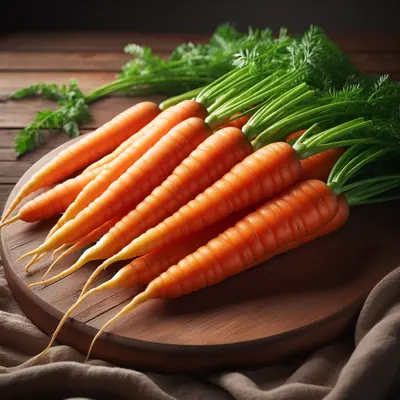
Medium-long 7-8" roots are uniform, thick, slightly tapered, and blunt. Excellent eating quality both fresh and after long-term storage, with juicy texture and sweet, complex flavor. A great choice for fall and winter harvest. Tops are vigorous, fast, and healthy which makes for better field-holding ability and easier mechanical harvesting. Heavy Nantes type. Also available with NOP-compliant pelleting.
Harvest
75d
Days to harvest
Sun
Full sun to partial shade
Zones
4–11
USDA hardiness
Difficulty
Easy to Moderate
Planting Timeline
Showing dates for Bolero Carrot in USDA Zone 7
All Zone 7 root-vegetable →Zone Map
Click a state to update dates
Bolero Carrot · Zones 4–11
Growing Details
Succession Planting
Direct sow Bolero every 3 weeks from March 1 through May 15 in zone 7, then pause through the worst summer heat. Germination stalls and roots turn pithy when soil temps push above 80°F. Pick back up around August 15 for a fall run — Bolero tolerates light frost, and roots left in the ground past the first freeze convert starches to sugars and taste noticeably better. Spring sowings pull June through July; fall sowings come out October through November.
Spread those successive sowings across at least 2 different beds. NC State Extension recommends keeping root crops out of the same ground for 3 years minimum, and stacking all your Bolero plantings in one spot year after year defeats that rotation. Parsnips share pest pressure with carrots, so don't count a parsnip bed as a clean break.
Complete Growing Guide
This Nantes-type carrot thrives in loose, well-draining soil and benefits from consistent moisture during germination and early growth, particularly important given its 75-day maturity window. Direct seed in spring or early summer for fall harvest, or in mid-summer for winter storage—timing that leverages its excellent post-harvest longevity. Bolero's vigorous tops provide natural field-holding ability, allowing you to leave roots in the ground longer than weaker varieties without quality loss, though they may split if exposed to heavy rain after dry periods. The cultivar shows strong disease resistance typical of modern Nantes carrots but remains susceptible to root-knot nematodes in infested soils; rotation is essential. One practical advantage: its blunt, uniform shape means minimal thinning waste and easier mechanical or hand harvesting. Space seedlings to 2–3 inches apart for optimal root development without excessive branching.
Light: Full sun (6 or more hours of direct sunlight a day), Partial Shade (Direct sunlight only part of the day, 2-6 hours). Soil: Clay, High Organic Matter, Loam (Silt), Sand, Shallow Rocky. Soil pH: Acid (<6.0), Alkaline (>8.0), Neutral (6.0-8.0). Drainage: Good Drainage, Moist, Occasionally Dry. Growth rate: Rapid. Maintenance: High. Propagation: Seed.
Harvesting
Bolero carrots reach peak harvest readiness when roots display deep orange coloring throughout and measure 7 to 8 inches in length with a firm, crisp texture when gently squeezed. Visual uniformity across the row indicates maturity, as this Nantes type produces consistent sizing. You can harvest continuously by pulling individual roots once they reach desired size, or wait for the entire bed to mature for a single heavy harvest. For optimal timing, wait until after the first light frost, which converts starches to sugars and enhances the characteristic sweetness. The vigorous tops signal healthy root development, and their strength allows for easier mechanical harvesting if processing large quantities. Storage quality improves with later harvests, making fall and winter picking ideal for long-term keeping.
Small, dry, and ribbed with bristly hairs. The compound umbel of fruits folds inward to form a roundish shape that can be blown by the wind and roll across the ground dropping seeds.
Color: Brown/Copper. Type: Achene. Length: < 1 inch. Width: < 1 inch.
Edibility: Leaves, roots, flowers, and seeds are edible. The young fleshy roots can be cooked or eaten raw, the flower clusters can be french-fried to produce a carrot-flavored dish, the aromatic seed is used as a flavoring in stews, etc. The dried roasted roots are ground into a powder and are used for making coffee.
Storage & Preservation
Remove carrot tops immediately after harvest, leaving ¼ inch of stem to prevent moisture loss. Brush off soil but don't wash until ready to use - the natural soil coating helps preserve freshness.
Store unwashed Bolero carrots in perforated plastic bags in your refrigerator's crisper drawer at 32-40°F with high humidity. Properly stored roots maintain peak quality for 4-6 months, making Bolero exceptional for winter storage.
For long-term preservation, blanch whole small carrots or cut larger ones into coins, then freeze in portions for up to 12 months. Bolero's dense flesh and high sugar content make it excellent for pressure canning as pickled carrots or in mixed vegetable combinations. The variety also dehydrates well - slice thin and dry at 125°F for 8-12 hours to create sweet carrot chips that store for years in airtight containers.
History & Origin
Bolero belongs to the Nantes carrot family, a heritage type developed in France during the 19th century and prized for exceptional sweetness and tender texture. While the specific breeder and introduction year for Bolero remain undocumented in readily available sources, this variety represents the modern refinement of classic Nantes genetics by professional seed companies seeking improved field performance and storability. Its vigorous tops and mechanical harvestability reflect contemporary breeding priorities, suggesting development sometime in the late 20th century. The variety exemplifies how traditional carrot lineages continue to be selected and adapted for contemporary agricultural demands while preserving the flavor characteristics that defined the Nantes type.
Origin: Europe, Eastern Asia and northern Africa
Advantages
- +Medium-long uniform roots ideal for fresh eating and long-term storage
- +Exceptionally sweet and complex flavor makes Bolero highly palatable fresh
- +Vigorous tops enable better field-holding ability and easier mechanical harvesting
- +Matures in just 75 days, suitable for fall and winter crops
- +Heavy Nantes type with smooth texture and excellent juicy crunch
Considerations
- -Susceptible to carrot rust fly damage during growing season
- -Vulnerable to bacterial soft rot in storage under poor conditions
- -Requires well-drained soil to prevent root splitting and disease issues
Companion Plants
Chives and leeks are the most practical neighbors here — alliums are thought to confuse carrot rust fly (Psila rosae) adults by masking host scent, and they run shallow enough that they don't compete with a carrot root pushing 8-10 inches down. Rosemary and sage work on a similar principle; their volatile oils may interfere with the fly's ability to locate the crop, and neither will shade a low carrot bed at 18-24 inches tall. Lettuce fills dead space between rows without stealing resources, and it's out of the ground before Bolero needs the full bed. Skip dill and fennel entirely — both are Apiaceae, same family as carrots, so planting them close piles related pests and diseases into one spot; NC State Extension notes that concentrating the same crop family creates exactly the buildup that rotation is meant to prevent. Fennel compounds the problem with allelopathic root exudates that suppress growth in many neighboring plants.
Plant Together
Chives
Repels carrot fly and aphids with strong sulfur compounds
Leeks
Deters carrot fly and other root pests through aromatic compounds
Rosemary
Strong scent masks carrot aroma from carrot fly, repels various pests
Sage
Repels carrot fly and cabbage moths with aromatic oils
Lettuce
Shallow roots don't compete, provides ground cover and weed suppression
Tomatoes
Different root depths minimize competition, tomatoes may deter carrot fly
Radishes
Break up soil for carrot growth, mature quickly before carrots need space
Marigolds
Root secretions reduce nematode populations harmful to carrots
Keep Apart
Dill
Can stunt carrot growth and reduce yields when planted too close
Parsnips
Compete for same soil nutrients and space, attract similar pests
Fennel
Releases allelopathic compounds that inhibit carrot germination and growth
Nutrition Facts
Per 100g serving. % Daily Value based on 2,000 calorie diet. Source: USDA FoodData Central (FDC #170393)
Pests & Disease Resistance
Resistance
Alternaria Blight (High); Bacterial Blight (Intermediate); Cavity Spot (Intermediate); Cercospora Blight (Intermediate); Powdery Mildew (High)
Common Pests
Carrot rust fly, aphids, wireworms
Diseases
Generally disease resistant, occasional bacterial soft rot
Troubleshooting Bolero Carrot
What you'll see, why it happens, and what to do about it.
Forked, stubby, or multi-pronged roots at harvest
Likely Causes
- Rocky or compacted soil forcing roots to split around obstructions
- Fresh manure or high-nitrogen amendments causing roots to fork chasing nutrients
- Stones or clods in the top 10-12 inches of bed
What to Do
- 1.Before sowing, work the bed to at least 12 inches deep and remove rocks and clods
- 2.Don't amend with fresh manure — use well-aged compost worked in the previous fall
- 3.Raised beds with loose, deep fill are worth the setup if your native soil is heavy clay
Sparse, patchy germination with seedlings that never appear by day 17
Likely Causes
- Soil surface drying out between waterings — carrot seed needs consistent moisture for all 10-17 days of germination
- Sowing too deep (deeper than 1/4 inch buries seed in darkness and dry soil)
- Soil crust forming over the seed row after rain or overhead irrigation
What to Do
- 1.Lay a board or burlap over the row and check daily — remove it the moment you see the first sprout
- 2.Water lightly every day if no rain; the top 1/2 inch of soil should never go bone dry
- 3.Break any surface crust gently with a finger or narrow cultivator before seedlings emerge
Tunnels or rust-colored scarring on the outside of roots, sometimes with small entry holes
Likely Causes
- Carrot rust fly (Psila rosae) — larvae tunnel just under the skin and into the root
- Wireworms (Agriotes spp.) — slender, hard-bodied larvae that bore straight through the root
What to Do
- 1.Cover the bed with floating row cover at sowing and keep it on until harvest to block adult carrot rust fly from laying eggs
- 2.For wireworm pressure, avoid following a lawn or sod area with root crops — populations peak in recently turned turf
- 3.Rotate carrots out of the same bed for at least 3 years; NC State Extension recommends avoiding the same root crop in the same spot in consecutive years
Stored roots turning soft, slimy, and foul-smelling within a week of harvest
Likely Causes
- Bacterial soft rot — typically enters through wounds made at harvest or by pest damage
- Storing roots with tops still attached, or packing them away while still wet
What to Do
- 1.Twist or cut tops off within an hour of harvest — the greens pull moisture and speed decay
- 2.Let roots air-dry for 30-60 minutes before packing into bags or bins; store at 32-40°F with high humidity
- 3.Cull any cracked or damaged roots before storage — bacterial soft rot spreads from one bad root to a whole bin fast
Frequently Asked Questions
How long does Bolero carrot take to grow?▼
Can you grow Bolero carrots in containers?▼
Is Bolero carrot good for beginners?▼
What does Bolero carrot taste like?▼
When should I plant Bolero carrot seeds?▼
Can Bolero carrots survive frost?▼
Zone-by-Zone Planting Calendar
| Zone | Indoor Start | Transplant | Direct Sow | Harvest |
|---|---|---|---|---|
| Zone 3 | — | — | May – June | July – October |
| Zone 4 | — | — | April – June | July – October |
| Zone 5 | — | — | April – May | June – November |
| Zone 6 | — | — | April – May | June – November |
| Zone 7 | — | — | March – May | June – November |
| Zone 8 | — | — | March – April | May – December |
| Zone 9 | — | — | February – March | April – December |
| Zone 10 | — | — | January – March | April – December |
| Zone 1 | — | — | June – July | August – September |
| Zone 2 | — | — | May – July | August – September |
| Zone 11 | — | — | January – February | March – December |
| Zone 12 | — | — | January – February | March – December |
| Zone 13 | — | — | January – February | March – December |
Growing Guides from Wind River Greens
Sources & References
External authority sources used in compiling this guide.
See the Methodology page for how this data is sourced, what's AI-assisted, and known limitations.