Wild Blue Indigo
Baptisia australis
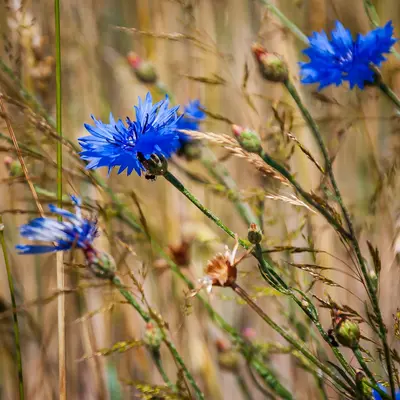
A stunning prairie native that produces dramatic spikes of deep blue lupine-like flowers in late spring, followed by attractive seed pods that rattle in the wind. This long-lived perennial forms impressive clumps over time and is virtually maintenance-free once established, making it a cornerstone plant for naturalized gardens.
Sun
Full sun to partial shade
Zones
3–9
USDA hardiness
Height
3-4 feet
Planting Timeline
Showing dates for Wild Blue Indigo in USDA Zone 7
All Zone 7 native-wildflower →Zone Map
Click a state to update dates
Wild Blue Indigo · Zones 3–9
Growing Details
Complete Growing Guide
Light: Full sun (6 or more hours of direct sunlight a day), Partial Shade (Direct sunlight only part of the day, 2-6 hours). Soil: Clay. Soil pH: Acid (<6.0). Drainage: Good Drainage, Occasionally Wet. Height: 3 ft. 0 in. - 4 ft. 0 in.. Spread: 2 ft. 0 in. - 4 ft. 0 in.. Spacing: 12 inches-3 feet, 3 feet-6 feet. Maintenance: Low. Propagation: Root Cutting, Seed. Regions: Coastal, Mountains, Piedmont.
Harvesting
Puffy, inflated seed pods filled with many seeds appear after bloom. They ripen when they are very black and up to 2.5 inches long in late summer. People enjoy the seed pods' appearance for ornamental interest or even dried flower arrangments (when the seed pod is with the stem).
Color: Black. Type: Legume. Length: 1-3 inches. Width: 1-3 inches.
Garden value: Good Dried, Showy
Harvest time: Winter
Storage & Preservation
For cut flowers, strip lower leaves, cut stems at a 45-degree angle, and place immediately in a vase with fresh water and flower food. Change water every 2-3 days; cut flowers last 7-10 days indoors. For seed pod preservation, allow pods to dry completely on the plant, then harvest and store in a cool (60-70°F), dry location in paper bags or cardboard boxes with good air circulation. Properly dried pods remain attractive for years and can be used in dried arrangements. To save seeds for propagation, allow pods to fully brown and dry, then crack open and extract seeds. Store seeds in a sealed, cool (40°F or below), dry environment—a refrigerator works well—for up to 3 years. Do not attempt to eat seeds or any plant parts; Wild Blue Indigo contains alkaloids and is toxic if consumed.
History & Origin
Baptisia australis, commonly known as Wild Blue Indigo, is native to the eastern and central United States, where it has thrived in prairie and woodland ecosystems for centuries. Rather than a deliberately bred cultivar, this species represents a heritage plant tradition rooted in North American flora. The plant was likely introduced to ornamental cultivation during the nineteenth century as gardeners and botanists recognized its garden merit. While specific breeding lines or commercial introductions are not well-documented in horticultural records, Wild Blue Indigo gained prominence through the native plant movement of the twentieth century, which championed the use of regionally adapted species in landscape design.
Origin: Central & Eastern U.S.A
Advantages
- +Attracts: Bats, Bees, Butterflies, Hummingbirds, Pollinators
- +Low maintenance
Considerations
- -Toxic (Bark, Flowers, Fruits, Leaves, Roots, Sap/Juice, Seeds, Stems): Low severity
Companion Plants
Little Bluestem and Switchgrass are the best structural partners — both share Baptisia's preference for lean, well-drained soil and won't outcompete it for water the way richer-soil plants would. Purple Coneflower (Echinacea purpurea) and Black-Eyed Susan bloom on a slightly later schedule, so the three together cover nearly 3 months of pollinator forage in sequence. Keep Crown Vetch well away — it spreads by both rhizome and seed, produces allelopathic compounds that suppress neighboring root systems, and can physically mat over a young Baptisia before it gets a foothold. Johnson Grass causes different damage: its dense, fibrous root mass simply out-competes everything within 12–18 inches for soil moisture.
Plant Together
Little Bluestem Grass
Provides structural support and creates natural prairie ecosystem conditions
Purple Coneflower
Attracts beneficial pollinators and shares similar soil and water requirements
Black-Eyed Susan
Complements bloom timing and attracts diverse beneficial insects
Wild Bergamot
Repels harmful insects while attracting native bees and butterflies
Switchgrass
Provides wind protection and mimics natural prairie plant communities
Nodding Onion
Deters root pests and rodents while adding late-season blooms
Wild Columbine
Thrives in similar partial shade conditions and attracts hummingbirds
Spiderwort
Provides ground cover and shares tolerance for varying moisture levels
Keep Apart
Crown Vetch
Aggressive spreader that can outcompete and smother native wildflowers
Autumn Olive
Invasive shrub that creates dense shade and alters soil nitrogen levels
Johnson Grass
Allelopathic properties inhibit germination and growth of native plants
Pests & Disease Resistance
Resistance
Excellent disease resistance, very few problems
Common Pests
Generally pest-free, occasionally aphids
Diseases
Root rot in poorly drained soil, otherwise disease-free
Troubleshooting Wild Blue Indigo
What you'll see, why it happens, and what to do about it.
Seed sown directly in spring germinates erratically or not at all after 30+ days
Likely Causes
- Hard seed coat blocking water absorption — Baptisia australis seeds have physical dormancy
- Skipping cold stratification, which the seed needs to break dormancy reliably
What to Do
- 1.Scarify seeds by rubbing them lightly on sandpaper, then soak in water for 24 hours before sowing
- 2.Cold-stratify in a damp paper towel in the fridge for 4–6 weeks before your direct sow date
- 3.First-year germination is slow and uneven by nature — don't pull the flat and re-sow until you're past day 45
Crown and roots turning soft and brown, plant wilting despite adequate soil moisture
Likely Causes
- Root rot from Phytophthora or Pythium species — almost always triggered by poorly drained or compacted soil
- Planting in a low spot that holds water after rain
What to Do
- 1.Dig the plant, cut away rotted tissue with a clean knife, and replant in a raised bed or amended site with coarse sand worked in to improve drainage
- 2.Do not replant Baptisia in the same waterlogged spot — it will rot again
- 3.If the whole crown is gone, the plant won't recover; discard it and fix the drainage before starting over
Clusters of small soft insects on new growth and flower stems in late spring
Likely Causes
- Aphid colonies (commonly Aphis craccivora or generalist species) — Baptisia is generally clean, so heavy pressure usually means nearby ant farming or an absence of predator pressure
What to Do
- 1.Knock aphids off with a firm spray of water — repeat every 2–3 days until lady beetles and parasitic wasps catch up
- 2.Avoid nitrogen-heavy fertilizers, which push the soft new growth aphids prefer
- 3.If populations stay heavy after a week, one application of insecticidal soap (label dilution is typically 2 tablespoons per quart of water) clears them without long-term harm to beneficial insects
Established plant fails to bloom or produces only a few flower spikes, year after year
Likely Causes
- Too much shade — Baptisia australis needs at least 6 hours of direct sun to bloom well
- Encroachment from aggressive neighbors like Johnson Grass or Crown Vetch suppressing root development
- Plant is simply too young — Baptisia takes 3–4 years from seed to reach reliable blooming size
What to Do
- 1.Relocate to a full-sun spot in early spring before new growth emerges — Baptisia transplants badly once mature, so move it while it's still under 2 years old if at all possible
- 2.Clear out any encroaching Johnson Grass within 18 inches of the crown, digging as much root as you can get
- 3.If the plant is under 3 years old, hold off on heavy fertilizing — pushing vegetative growth won't speed up the blooming timeline
Frequently Asked Questions
How long does Wild Blue Indigo take to flower from seed?▼
Can you grow Wild Blue Indigo in containers?▼
When should you plant Wild Blue Indigo?▼
Is Wild Blue Indigo good for beginners?▼
Does Wild Blue Indigo spread or reseed?▼
What's the difference between Wild Blue Indigo and other blue-flowering perennials like lupines?▼
Zone-by-Zone Planting Calendar
Growing Guides from Wind River Greens
Sources & References
External authority sources used in compiling this guide.
- ExtensionNC State Extension
See the Methodology page for how this data is sourced, what's AI-assisted, and known limitations.