Barrenwort
Epimedium × versicolor
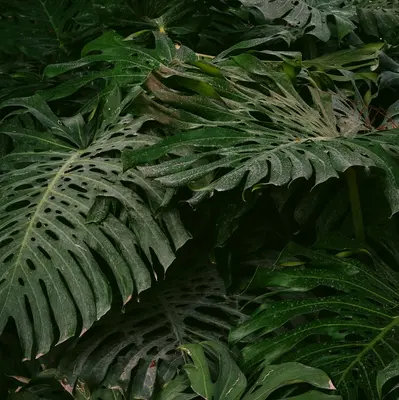
An elegant woodland ground cover prized for its heart-shaped leaves that emerge bronze, turn green in summer, and develop beautiful fall colors. Delicate sprays of yellow and red flowers dance above the foliage in spring, creating an enchanting display in shade gardens. Extremely long-lived and deer resistant.
Sun
Partial shade
Zones
5–8
USDA hardiness
Height
8-10 inches
Planting Timeline
Showing dates for Barrenwort in USDA Zone 7
All Zone 7 ground-cover →Zone Map
Click a state to update dates
Barrenwort · Zones 5–8
Growing Details
Complete Growing Guide
Light: Dappled Sunlight (Shade through upper canopy all day), Deep shade (Less than 2 hours to no direct sunlight), Partial Shade (Direct sunlight only part of the day, 2-6 hours). Soil: Clay, High Organic Matter, Loam (Silt), Sand. Soil pH: Acid (<6.0), Neutral (6.0-8.0). Drainage: Good Drainage, Moist. Height: 0 ft. 8 in. - 0 ft. 10 in.. Spread: 1 ft. 0 in. - 1 ft. 6 in.. Spacing: 12 inches-3 feet. Growth rate: Medium. Maintenance: Medium. Propagation: Division. Regions: Coastal, Mountains, Piedmont.
Harvesting
Edibility: The leaves are edible, however, should be soaked and boiled prior to consumption to reduce its bitter taste.
Storage & Preservation
Barrenwort is an ornamental ground cover and does not require post-harvest storage or preservation as it's grown for live garden display. For propagation purposes, collected seeds should be stored cool and dry (40-50°F, low humidity) in sealed containers for up to 1-2 years. Division of established plants works best in spring or fall. For transplanting bare-root divisions, keep roots moist and cool until planting, and store in humid conditions (60-70% humidity) for no more than 1-2 weeks. Established plants require no preservation methods as they remain perennial in the garden.
History & Origin
Origin: Asia and the Mediterranean
Advantages
- +Edible: The leaves are edible, however, should be soaked and boiled prior to consumption to reduce its bitter taste.
Companion Plants
Hostas, Heuchera, and ferns work well here because they share the same basic requirements — partial shade, well-drained soil, and a pH between 5.5 and 7.0 — without crowding out a ground cover that spreads slowly in its first two years. Epimedium's shallow roots fill the gaps between clump-formers like Astilbe and Bleeding Heart rather than competing with them directly. Lungwort and Japanese Painted Fern add contrast at similar heights (6-12 inches) and handle the same dry-shade conditions once they're past establishment.
Mint belongs nowhere near this bed — it spreads by rhizome and will smother a slow-establishing ground cover before you've noticed the problem. Black walnut is a harder constraint: it releases juglone, a compound that interferes with respiration in the roots of susceptible plants, and Epimedium shows no particular tolerance for it. Crown Imperial (Fritillaria imperialis) conflicts on a practical level too — it wants full sun and dry summer dormancy, the opposite of what this planting needs.
Plant Together
Hosta
Similar shade and moisture requirements, creates layered texture in woodland gardens
Heuchera
Compatible growing conditions, complementary foliage colors and textures
Astilbe
Thrives in same partial shade conditions, adds vertical interest above low-growing barrenwort
Ferns
Share preference for moist, well-draining soil and dappled shade
Lungwort
Similar cultural needs, both tolerate dry shade once established
Japanese Painted Fern
Complementary silver foliage contrasts beautifully with barrenwort's green leaves
Woodland Phlox
Both prefer partial shade and well-draining soil, bloom at different times
Bleeding Heart
Compatible moisture and light requirements, creates seasonal succession of blooms
Keep Apart
Black Walnut
Produces juglone which is toxic to many understory plants including barrenwort
Mint
Aggressive spreading nature can overwhelm and outcompete slow-growing barrenwort
Crown Imperial
Heavy feeder that depletes soil nutrients needed by barrenwort's delicate root system
Pests & Disease Resistance
Resistance
Excellent disease resistance, very hardy perennial
Common Pests
Vine weevils occasionally, generally pest-free
Diseases
Rarely affected by diseases
Troubleshooting Barrenwort
What you'll see, why it happens, and what to do about it.
Leaf edges ragged or scalloped, with silvery slime trails visible on foliage in the morning
Likely Causes
- Vine weevil (Otiorhynchus sulcatus) adult feeding at night
- Slug or snail activity — common in the moist, shaded spots where Epimedium thrives
What to Do
- 1.Go out after dark with a flashlight and hand-pick vine weevils directly into soapy water
- 2.Apply iron phosphate bait (Sluggo) around the crown after rain — it's safer around wildlife than metaldehyde
- 3.Pull mulch back a few inches from the plant base; slugs shelter under it during the day
Leaves pale, yellowing, or showing scorched brown patches across the whole planting, not isolated to a single plant
Likely Causes
- Too much direct sun — Epimedium wants 4-6 hours of partial shade, not full afternoon exposure
- Juglone toxicity from nearby black walnut (Juglans nigra), which leaches the compound through roots and decomposing leaf litter into surrounding soil
What to Do
- 1.If the planting sits within the root zone of a black walnut — which can extend well past the drip line — relocate the Epimedium entirely; the damage won't reverse in place
- 2.Add shade cloth rated at 30-40% or move plants beneath a deciduous tree canopy to cut afternoon sun exposure
- 3.Top-dress with 1-2 inches of compost to buffer soil stress and encourage new root growth
Frequently Asked Questions
Is Barrenwort a good ground cover for beginners?▼
Can you grow Barrenwort in containers?▼
When should I plant Barrenwort?▼
How long does it take Barrenwort to establish as a ground cover?▼
Will Barrenwort work in deep shade?▼
Zone-by-Zone Planting Calendar
Growing Guides from Wind River Greens
Sources & References
External authority sources used in compiling this guide.
- ExtensionNC State Extension
See the Methodology page for how this data is sourced, what's AI-assisted, and known limitations.