Durango Outback Mix
Tagetes patula
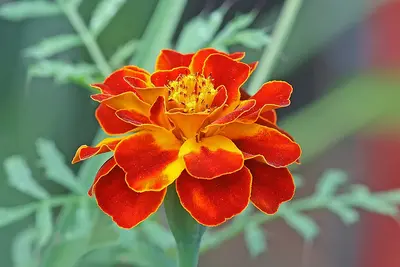
Highly branching plants. A good choice for packs, pots, and garden planting. Bloom size is 2-2 1/2". Attracts beneficial insects such as hoverflies. Also known as French marigold. Edible Flowers: Use the flowers to dress up salads and desserts or cooked in egg or rice dishes. Flavor is floral with hints of citrus and spice, and slightly bitter. Remove the petals from the flower base before consuming as the base can be quite bitter.
Harvest
50d
Days to harvest
Sun
Full sun to partial shade
Zones
1–11
USDA hardiness
Height
6-12 inches
Planting Timeline
Showing dates for Durango Outback Mix in USDA Zone 7
All Zone 7 flower →Zone Map
Click a state to update dates
Durango Outback Mix · Zones 1–11
Growing Details
Succession Planting
Start seeds indoors 6–8 weeks before your last frost date, or direct sow after soil temps reach 65°F. For a continuous flush of blooms rather than one big wave, make a second sowing 3–4 weeks after the first, stopping by early June so those plants hit their 50-day stride before fall frost shuts things down. Deadhead every 7–10 days — skip two rounds and bloom output drops noticeably within two weeks as the plant shifts energy toward seed set.
Complete Growing Guide
Highly branching plants. A good choice for packs, pots, and garden planting. Bloom size is 2-2 1/2". Attracts beneficial insects such as hoverflies. Also known as French marigold. Edible Flowers: Use the flowers to dress up salads and desserts or cooked in egg or rice dishes. Flavor is floral with hints of citrus and spice, and slightly bitter. Remove the petals from the flower base before consuming as the base can be quite bitter. According to Johnny's Selected Seeds, Durango Outback Mix is 50 days to maturity, annual, open pollinated. Notable features: Grows Well in Containers, Edible Flowers.
Light: Full sun (6 or more hours of direct sunlight a day), Partial Shade (Direct sunlight only part of the day, 2-6 hours). Soil: Clay, Loam (Silt), Sand. Soil pH: Acid (<6.0), Neutral (6.0-8.0). Drainage: Good Drainage, Occasionally Dry. Height: 0 ft. 6 in. - 1 ft. 0 in.. Spread: 0 ft. 6 in. - 1 ft. 6 in.. Spacing: Less than 12 inches. Growth rate: Medium. Maintenance: Low. Regions: Coastal, Mountains, Piedmont.
Harvesting
Durango Outback Mix reaches harvest at 50 days from sowing per Johnny's Selected Seeds. Expect 2-2 1/2". at peak. As an annual, harvest continues until frost ends the season.
Edibility: Flowers are used to make refreshing drinks and the leaves are used for flavoring.
Storage & Preservation
Fresh blooms should be stored upright in a vase with water at room temperature (65-72°F) for optimal color and longevity, lasting 5-7 days. For longer-term preservation, dry the petals by hanging them upside down in a warm, dark, well-ventilated area for 1-2 weeks, then store in an airtight container away from light and humidity. Alternatively, freeze petals in ice cube trays with water for decorative use in beverages, or press flowers between parchment paper for dried arrangements and herbal crafts lasting several months.
History & Origin
Durango Outback Mix is open-pollinated, meaning seed saved from healthy plants will produce true-to-type offspring. Listed in the Johnny's Selected Seeds catalog.
Origin: Mexico, Guatamala
Advantages
- +Highly branching habit provides abundant flowers for continuous harvesting
- +Quick 50-day bloom time makes it ideal for succession planting
- +Edible petals add unique citrus-spice flavor to salads and dishes
- +Attracts beneficial hoverflies and pollinators to garden beds
- +Compact 2-2.5 inch blooms suit small pots and tight spaces
Considerations
- -Bitter flower base requires careful petal removal before eating
- -Requires deadheading to maintain branching and continuous blooms
- -Susceptible to spider mites and whiteflies in hot conditions
Companion Plants
Marigolds in general — and this mix in particular — are planted near tomatoes and peppers because their roots exude alpha-terthienyl, a compound that suppresses soil nematodes. That's the documented mechanism, and it's why NC State Extension recommends them as a border planting rather than a distant neighbor. Basil makes a reasonable pairing because it shares the same full-sun, moderate-water requirements without crowding the root zone. Keep beans at least a few feet away: the nitrogen they fix tends to push soft, lush growth on nearby plants, and aphids on Durango marigolds will find that new growth first. Black walnut is a hard stop — juglone, the allelopathic compound it releases through its roots and leaf litter, stunts Tagetes patula badly enough that even established plants decline within a single season.
Plant Together
Marigolds
Repel aphids, whiteflies, and nematodes while attracting beneficial insects
Sweet Alyssum
Attracts beneficial insects like hoverflies and provides ground cover
Nasturtiums
Act as trap crops for aphids and cucumber beetles, deterring them from marigolds
Zinnia
Attracts butterflies and beneficial pollinators, complements marigold colors
Cosmos
Attracts beneficial insects and provides height variation without competing for nutrients
Basil
Repels thrips, flies, and mosquitoes while attracting pollinators
Petunias
Repel aphids, tomato hornworms, and squash bugs
Calendula
Attracts beneficial insects and acts as companion for pest control
Keep Apart
Black Walnut
Produces juglone which is toxic to marigolds and causes stunted growth
Beans
Marigolds can inhibit bean growth and nitrogen fixation
Cabbage Family Plants
Marigolds may stunt growth of brassicas like cabbage, broccoli, and kale
Pests & Disease Resistance
Common Pests
Spider mites, aphids, whiteflies
Diseases
Powdery mildew, root rot, leaf spot
Troubleshooting Durango Outback Mix
What you'll see, why it happens, and what to do about it.
Fine webbing on the undersides of leaves, foliage looking stippled or washed out, especially in hot dry spells
Likely Causes
- Two-spotted spider mite (Tetranychus urticae) — thrives when temps push above 85°F and humidity drops
- Dusty, dry conditions that favor mite reproduction
What to Do
- 1.Blast the undersides of leaves with a strong jet of water every few days to knock mite populations back
- 2.Apply insecticidal soap or neem oil, making sure to coat the undersides — that's where the mites actually live
- 3.Keep plants well-watered; drought-stressed marigolds are far more vulnerable
White powdery coating spreading across upper leaf surfaces, usually appearing mid-to-late summer
Likely Causes
- Powdery mildew (Erysiphe cichoracearum) — a fungal disease that spreads in warm days and cool nights, especially with poor airflow
- Overcrowded planting at closer than 12 inches that traps humidity around the foliage
What to Do
- 1.Cut out and bin the worst-affected stems — don't compost them
- 2.Spray remaining foliage with a diluted baking soda solution (1 tablespoon per gallon of water) or potassium bicarbonate as a low-intervention option
- 3.Space plants at least 12 inches apart next season and avoid overhead watering in the evening
Plants wilting and yellowing from the base up, roots appearing brown and mushy when pulled
Likely Causes
- Pythium or Phytophthora root rot — both triggered by consistently waterlogged soil
- Heavy clay soil or a low spot in the bed that holds standing water after rain
What to Do
- 1.Pull and discard affected plants — there's no recovering a rotted root system
- 2.Improve drainage before replanting: work in compost or coarse perlite, or build a raised bed
- 3.Water only when the top inch of soil is dry; Durango marigolds are drought-tolerant once established and don't need frequent irrigation
Frequently Asked Questions
How long do Durango Outback Mix marigold flowers last in a vase?▼
Is this marigold variety good for beginners?▼
Can you grow Durango Outback Mix marigolds in containers?▼
What does the Durango Outback Mix marigold taste like?▼
When should I plant Durango Outback Mix marigold seeds?▼
Do Durango Outback Mix marigolds attract pollinators?▼
Zone-by-Zone Planting Calendar
| Zone | Indoor Start | Transplant | Direct Sow | Harvest |
|---|---|---|---|---|
| Zone 1 | May – June | July – August | July – September | — |
| Zone 2 | April – May | June – July | June – August | — |
| Zone 11 | January – January | January – February | January – March | — |
| Zone 12 | January – January | January – February | January – March | — |
| Zone 13 | January – January | January – February | January – March | — |
| Zone 3 | April – May | June – July | June – August | — |
| Zone 4 | March – April | June – June | June – July | — |
| Zone 5 | March – April | May – June | May – July | — |
| Zone 6 | March – April | May – June | May – July | — |
| Zone 7 | February – March | April – May | April – June | — |
| Zone 8 | February – March | April – May | April – June | — |
| Zone 9 | January – February | March – April | March – May | — |
| Zone 10 | January – January | February – March | February – April | — |
Growing Guides from Wind River Greens
Sources & References
External authority sources used in compiling this guide.
- ExtensionNC State Extension
- BreederJohnny's Selected Seeds
See the Methodology page for how this data is sourced, what's AI-assisted, and known limitations.