Sorbet Formula Mix
Viola cornuta
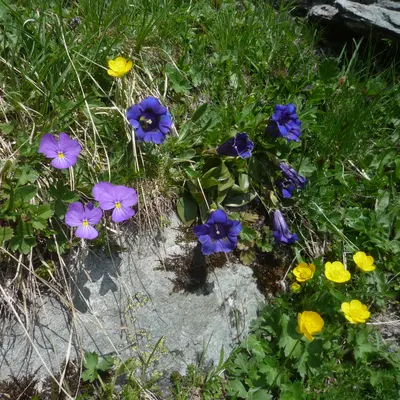
Upright stems with petite, 1-1 1/2" flowers. Tolerates temperature extremes and will bloom through winter in the South when planted in fall. A formula blend of blackberry, blueberry, coconut, French vanilla, lemon chiffon, lavender ice and more. Also known as pansy, Johnny jump-up, European field pansy, and horned violet.Edible Flowers: Decorative and edible garnish for salads and desserts with slight wintergreen flavor. While a popular choice for brightening up salad mix, the flowers are also good for candying.
Harvest
60-70d
Days to harvest
Sun
Full sun to partial shade
Zones
6–11
USDA hardiness
Height
6-9 inches
Planting Timeline
Showing dates for Sorbet Formula Mix in USDA Zone 7
All Zone 7 flower →Zone Map
Click a state to update dates
Sorbet Formula Mix · Zones 6–11
Growing Details
Succession Planting
Start seeds indoors 10-12 weeks before your last frost — that puts you at early February in zone 7 — and transplant out in April once nighttime temps stay reliably above 40°F. Direct sow additional rounds every 3 weeks from April through early June to keep flowers coming before summer heat shuts them down; Sorbet Formula Mix tends to stop blooming once daytime highs consistently hit 85°F.
For a fall flush, start another tray indoors in late July and transplant in September. These violas will often carry through winter in zone 7 with light frost cloth on the coldest nights, then push new flowers again in late February before you pull them for warm-season crops.
Complete Growing Guide
Light: Full sun (6 or more hours of direct sunlight a day), Partial Shade (Direct sunlight only part of the day, 2-6 hours). Soil: Clay, Loam (Silt), Sand. Soil pH: Acid (<6.0), Neutral (6.0-8.0). Drainage: Good Drainage, Moist. Height: 0 ft. 6 in. - 0 ft. 9 in.. Spread: 0 ft. 6 in. - 1 ft. 0 in.. Spacing: Less than 12 inches. Growth rate: Rapid. Maintenance: Low, Medium. Propagation: Division, Seed. Regions: Coastal, Mountains, Piedmont.
Harvesting
The fruit is a three valves capsule. The seeds have an oily feel and are freely dispersed by ants.
Edibility: Flowers and leaves are edible.
Storage & Preservation
Fresh pansy flowers are best stored in the refrigerator at 34-40°F with moderate humidity (60-70%) to maintain petal color and texture. Place stems in water or on damp paper towels in a sealed container; they'll keep for 3-5 days. For longer preservation, candy the flowers by brushing with egg white and coating with superfine sugar, then allow to dry completely for 24-48 hours—they'll last 1-2 months in an airtight container. Alternatively, freeze flowers in ice cubes for later decorative use in beverages, or press flowers between parchment paper under weight for dried arrangements lasting several months.
History & Origin
Origin: France and Spain
Advantages
- +Attracts: Bees, Butterflies, Pollinators
- +Edible: Flowers and leaves are edible.
- +Fast-growing
- +Low maintenance
Companion Plants
Marigolds are the most practical neighbor here — they deter aphids and spider mites through scent, and both plants top out under 12 inches so neither shades the other out. Sweet Alyssum fills in at the edges and pulls in predatory wasps that knock back aphid populations without any intervention from you. Nasturtiums work as a trap crop, drawing aphids away from the violas before they build up to problem numbers. Skip fennel — it's allelopathic to most annuals, and in our zone 7 Georgia gardens it self-seeds aggressively enough to crowd out anything you actually planted on purpose. Black walnut releases juglone through its roots and will stunt or kill Viola cornuta planted anywhere near its canopy.
Plant Together
Marigolds
Repel nematodes and aphids while attracting beneficial insects
Sweet Alyssum
Attracts beneficial insects like hoverflies and parasitic wasps
Nasturtiums
Act as trap crops for aphids and cucumber beetles
Zinnias
Attract pollinators and beneficial predatory insects
Cosmos
Attract beneficial insects and provide structural support
Basil
Repels thrips, aphids, and spider mites
Lavender
Deters pests with strong fragrance and attracts beneficial pollinators
Parsley
Attracts beneficial insects like parasitic wasps and hoverflies
Keep Apart
Black Walnut
Produces juglone toxin that inhibits growth of most flowering plants
Eucalyptus
Releases allelopathic compounds that suppress nearby plant growth
Fennel
Inhibits growth of most garden plants through allelopathic root secretions
Pests & Disease Resistance
Common Pests
Spider mites, aphids, slugs
Diseases
Powdery mildew, root rot, leaf spot
Troubleshooting Sorbet Formula Mix
What you'll see, why it happens, and what to do about it.
White powdery coating on leaves and stems, spreading from older growth first
Likely Causes
- Powdery mildew (Erysiphe cichoracearum) — kicks in when nights cool down and humidity swings, common in spring and fall
- Poor airflow from overcrowded spacing under 6 inches
What to Do
- 1.Remove and trash the worst-affected leaves immediately — don't compost them
- 2.Thin plants to at least 6 inches apart so air can move through
- 3.Apply a diluted neem oil spray (2 tsp per quart of water) every 7 days until new growth looks clean
Plants wilting despite moist soil, with yellowing at the base and soft, dark stem tissue at the soil line
Likely Causes
- Root rot — usually Pythium or Phytophthora species — triggered by consistently waterlogged soil or containers without drainage
- Planting in heavy clay without amendment
What to Do
- 1.Pull the plant and check the roots — brown mush means root rot; those plants won't recover, so pull them before the pathogen spreads
- 2.Work 2-3 inches of compost into the bed and raise the planting area slightly before putting anything new in that spot
- 3.Water in the morning so the surface dries out before nightfall
Ragged holes chewed through leaves and flowers overnight, with silvery slime trails visible in the morning
Likely Causes
- Slugs — especially active during cool, wet stretches in spring and after rain
- Dense mulch or debris immediately around the plant crowns giving them daytime shelter
What to Do
- 1.Set out iron phosphate bait (Sluggo is a widely available brand) around the plants at dusk — it's safe around pets and pollinators
- 2.Pull mulch back 2-3 inches from the plant crowns so slugs lose their hiding spots
- 3.Check under any boards or pots nearby at night with a flashlight and hand-pick
Frequently Asked Questions
How long does it take Sorbet Formula Mix flowers to bloom from planting?▼
Are pansies good for beginner gardeners?▼
Can Sorbet Formula Mix pansies be grown in containers?▼
What do Sorbet Formula Mix pansy flowers taste like?▼
When should I plant Sorbet Formula Mix pansies?▼
Are these pansies the same as Johnny jump-ups?▼
Zone-by-Zone Planting Calendar
| Zone | Indoor Start | Transplant | Direct Sow | Harvest |
|---|---|---|---|---|
| Zone 3 | April – May | June – July | June – August | — |
| Zone 4 | March – April | June – June | June – July | — |
| Zone 5 | March – April | May – June | May – July | — |
| Zone 6 | March – April | May – June | May – July | — |
| Zone 7 | February – March | April – May | April – June | — |
| Zone 8 | February – March | April – May | April – June | — |
| Zone 9 | January – February | March – April | March – May | — |
| Zone 10 | January – January | February – March | February – April | — |
| Zone 1 | May – June | July – August | July – September | — |
| Zone 2 | April – May | June – July | June – August | — |
| Zone 11 | January – January | January – February | January – March | — |
| Zone 12 | January – January | January – February | January – March | — |
| Zone 13 | January – January | January – February | January – March | — |
Growing Guides from Wind River Greens
Sources & References
External authority sources used in compiling this guide.
- BreederJohnny's Selected Seeds
See the Methodology page for how this data is sourced, what's AI-assisted, and known limitations.