Jerusalem Artichoke
Helianthus tuberosus
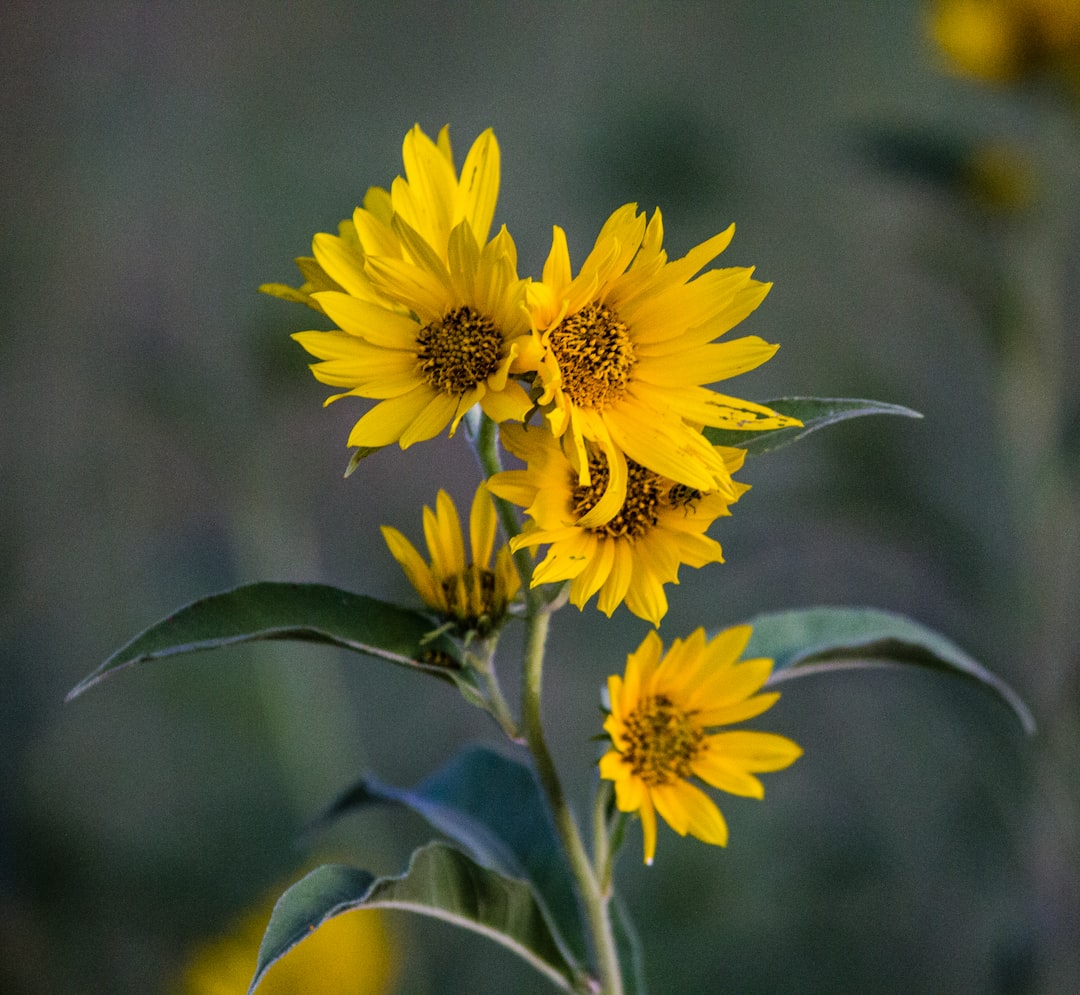
Jerusalem Artichoke (Helianthus tuberosus) is a perennial native wildflower. Hardy in USDA zones 3 to 9.
Sun
Full sun to partial shade
Zones
3–9
USDA hardiness
Height
6-10 feet
Planting Timeline
Showing dates for Jerusalem Artichoke in USDA Zone 7
All Zone 7 native-wildflower →Zone Map
Click a state to update dates
Jerusalem Artichoke · Zones 3–9
Growing Details
Complete Growing Guide
Jerusalem Artichoke tubers are best planted directly in the ground rather than started indoors, as they prefer to be disturbed minimally before establishing in their permanent location. Plant tubers in early spring, about two to three weeks before your last frost date, when soil temperatures reach at least 50°F. If you live in a colder zone, waiting until after the frost danger has passed ensures the tubers won't rot in cold, wet soil. Plant tubers about four to six inches deep and space them twelve to eighteen inches apart, as these plants grow quite tall and vigorous, eventually reaching six to ten feet in height.
Prepare the soil by working in compost or well-rotted manure before planting, as Jerusalem Artichokes are heavy feeders despite their reputation as low-maintenance plants. They tolerate poor soil but produce significantly better yields in amended beds. The variety thrives in full sun to part shade, though full sun promotes the best flowering and tuber development. Ensure the bed drains well, as waterlogged conditions will cause tuber rot.
Water regularly during the growing season, especially in dry spells, providing about one inch per week. Once established, Jerusalem Artichokes are quite drought-tolerant, but consistent moisture during the first half of the season encourages stronger growth. In mid-summer, apply a balanced fertilizer or side-dress with compost if plants appear sluggish. Cease fertilizing by late summer to avoid promoting excessive vine growth at the expense of tuber production.
Monitor for sunflower beetles and Japanese beetles, which readily feed on the foliage and flowers. Hand-pick beetles when populations are light, or use neem oil for more severe infestations. Keep watch for powdery mildew, particularly in humid climates, and ensure good air circulation by spacing plants adequately. This variety rarely suffers from serious disease problems if given proper drainage and airflow.
As these plants grow quite tall and can become ungainly, many gardeners pinch back the growing tips in early summer to encourage bushier growth and reduce the need for staking. Allow them to flower in late summer and fall, as the cheerful yellow blooms attract pollinators and provide late-season color. Harvest tubers after the first frost, when the foliage has died back completely, as this is when the tubers reach maximum size and sugar content.
The critical mistake many gardeners make is expecting Jerusalem Artichokes to remain contained. They readily self-seed and spread via tubers left in the ground, potentially becoming invasive. If you want to prevent unwanted spread, harvest all tubers meticulously or grow them in dedicated beds away from garden borders.
Harvesting
Seeds ripen in November.
Color: Brown/Copper.
Harvest time: Fall
Edibility: Root tubers are edible raw or cooked and they resemble ginger root. They contain a high amount of inulin fiber.
Storage & Preservation
Store fresh Jerusalem artichokes in the refrigerator's crisper drawer at 32-40°F with moderate humidity for up to 3-4 weeks. They can also be kept at cool room temperature (50-60°F) for 1-2 weeks. Avoid washing before storage to prevent rot. For preservation, roast and freeze in airtight containers for up to 6 months, pickle in vinegar-based brine for 2-3 months shelf-stable storage, or dehydrate sliced tubers at low temperature for long-term pantry storage lasting several months.
History & Origin
Origin: West of TX, AR, and OH
Advantages
- +Attracts: Butterflies, Pollinators, Songbirds
- +Edible: Root tubers are edible raw or cooked and they resemble ginger root. They contain a high amount of inulin fiber.
- +Fast-growing
- +Low maintenance
Companion Plants
Corn, beans, and squash make decent neighbors for Jerusalem artichoke because they stay out of each other's way — the root competition is minimal, and none of them are trying to occupy the same 6-10 feet of vertical space that sunchokes claim by August. Comfrey planted at the base earns its keep differently: its taproot goes down 4-6 feet and mines calcium and potassium that shallower plants can't reach, and cut comfrey leaves rot fast enough to function as a live mulch. Marigolds and nasturtiums draw in predatory wasps and hoverflies, which also knock back the aphid clusters that sometimes build up on sunchoke stems in early summer. Chives at the perimeter may disrupt beetle navigation through scent — the evidence is anecdotal, but they don't hurt anything.
Keep sunchokes away from potatoes and tomatoes. Both nightshades share soil-borne diseases with a plant that, once established, will return from any tuber scrap you missed at harvest — meaning it could be sitting in that bed for years. Black walnut is a different problem entirely: juglone, the allelopathic compound walnut roots release, suppresses a broad range of plants, and sunchokes aren't reliably tolerant. The practical rule is 60 feet of clearance from the drip line of any Juglans species.
Plant Together
Corn
Both are tall plants that can share space efficiently, corn benefits from sunchoke's soil loosening
Beans
Fix nitrogen in soil that benefits the heavy-feeding Jerusalem artichoke
Squash
Provides ground cover to suppress weeds around tall sunchoke stems
Sunflowers
Similar growing requirements and both attract beneficial pollinators
Marigolds
Repel nematodes and other soil pests that can damage tubers
Nasturtiums
Act as trap crop for aphids and cucumber beetles
Chives
Repel aphids and other insects with their strong scent
Comfrey
Deep roots bring up nutrients and provide mulch material
Keep Apart
Black Walnut
Produces juglone which inhibits growth of Jerusalem artichoke
Tomatoes
Compete for similar nutrients and both are susceptible to similar fungal diseases
Potatoes
Both are tuber crops that compete for soil nutrients and space
Pests & Disease Resistance
Common Pests
Japanese beetles, sunflower moths, slugs
Diseases
Sclerotinia rot, rust, powdery mildew
Troubleshooting Jerusalem Artichoke
What you'll see, why it happens, and what to do about it.
Leaves skeletonized or chewed to lace, especially on upper plant, mid to late summer
Likely Causes
- Japanese beetles (Popillia japonica) — adults feed in groups and can strip foliage fast
- Sunflower moth (Homoeosoma electellum) larvae tunneling into developing flower heads
What to Do
- 1.Hand-pick Japanese beetles into a bucket of soapy water in the early morning when they're sluggish
- 2.For sunflower moth, check flower heads for frass and webbing; remove and destroy infested heads before larvae drop to soil to pupate
- 3.Don't use Japanese beetle traps near the planting — they draw in more beetles than they catch
White powdery coating on upper leaf surfaces, usually appearing after mid-summer on older leaves
Likely Causes
- Powdery mildew (Erysiphe cichoracearum or related species) — common on Helianthus in humid conditions with poor airflow
- Crowded spacing under 18 inches that traps moisture around foliage
What to Do
- 1.Thin or cut back surrounding plants to open airflow — sunchokes planted at 18-24 inches apart are much less prone to this
- 2.Apply a diluted baking soda spray (1 tablespoon per gallon of water) to slow spread on affected leaves
- 3.At season's end, cut stalks to the ground and remove debris; the fungus overwinters in dead plant material
Stems wilting and collapsing at the base, with white cottony growth or hard black pellets visible near the soil line
Likely Causes
- Sclerotinia rot (Sclerotinia sclerotiorum) — a soil-borne fungus that thrives in cool, wet springs
- Poor drainage or planting in a low spot where water pools after rain
What to Do
- 1.Dig up and remove affected plants entirely, including as much of the surrounding soil as you can manage
- 2.Do not compost infected material — bag and trash it; sclerotia (the black pellets) can persist in soil for 5-7 years
- 3.Relocate the patch to a well-drained spot; raised beds or a gentle slope will reduce recurrence significantly
Frequently Asked Questions
How long does it take Jerusalem artichokes to grow from planting to harvest?▼
Can you grow Jerusalem artichokes in containers?▼
What do Jerusalem artichokes taste like?▼
Is Jerusalem artichoke good for beginner gardeners?▼
When should I plant Jerusalem artichokes?▼
How do I preserve Jerusalem artichokes for winter storage?▼
Zone-by-Zone Planting Calendar
Growing Guides from Wind River Greens
Sources & References
External authority sources used in compiling this guide.
- ExtensionNC State Extension
See the Methodology page for how this data is sourced, what's AI-assisted, and known limitations.