Iron Blue
Matthiola incana
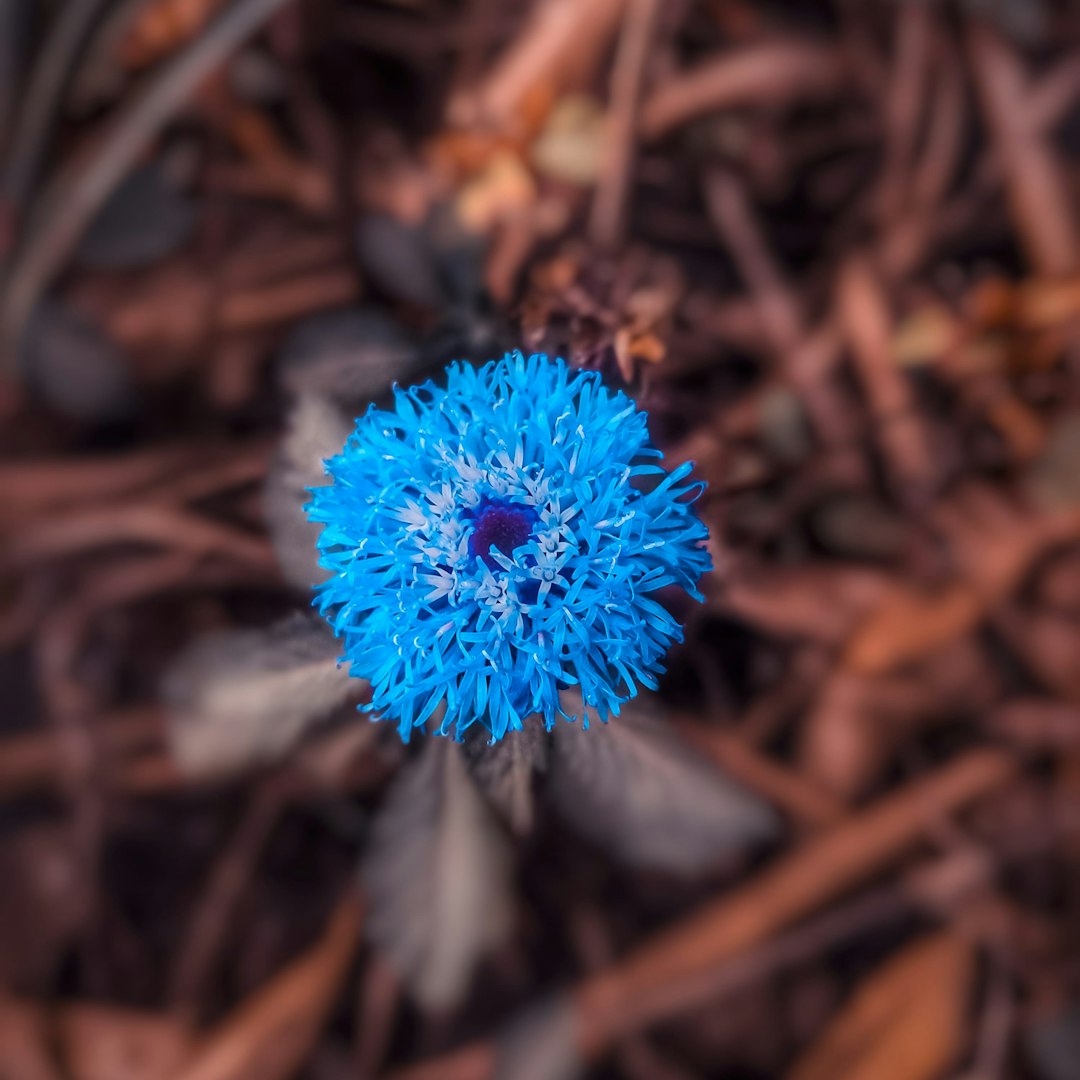
Early single-stem, or column-type stock in a highly uniform series for one-cut harvest. Aptly named for strong, straight, rigid stems. Iron performed well in our spring, early summer, and fall trials. Selectable for doubles and 55% double without selection. Compared to Katz, Iron is slightly later to flower, and has somewhat shorter and thicker stems. Tightly spaced florets on the flower spike make for compact 1 1/2-2", blue blooms with a full appearance. NOTE: This variety produces one flowering stem per plant. Pinching is not advisable as it will terminate flowering. Edible Flowers: The peppery, clove-like flavor of the flowers lends itself well to use as a garnish on salads, desserts, and drinks.
Harvest
90-105d
Days to harvest
Sun
Full sun to partial shade
Zones
6–10
USDA hardiness
Height
1-3 feet
Planting Timeline
Showing dates for Iron Blue in USDA Zone 7
All Zone 7 flower →Zone Map
Click a state to update dates
Iron Blue · Zones 6–10
Growing Details
Succession Planting
Iron Blue stocks bolt and decline once daytime temperatures push consistently past 80-85°F, so succession planting is worth doing if you want a longer harvest window. In zone 7, start your first batch indoors in late February and transplant out in April; then direct-sow a second round in May for a follow-on flush before heat shuts things down. Don't push a third succession — by June, you're racing the thermometer and flower quality drops off fast.
If your winters are mild (zones 8-10), flip the calendar entirely and grow stocks as a cool-season crop: sow in September or October for winter and early spring bloom. That's honestly when Matthiola incana performs best — the 90-105 day window lands in genuinely cool weather, the fragrance is stronger, and you sidestep the summer slump problem altogether.
Complete Growing Guide
Early single-stem, or column-type stock in a highly uniform series for one-cut harvest. Aptly named for strong, straight, rigid stems. Iron performed well in our spring, early summer, and fall trials. Selectable for doubles and 55% double without selection. Compared to Katz, Iron is slightly later to flower, and has somewhat shorter and thicker stems. Tightly spaced florets on the flower spike make for compact 1 1/2-2", blue blooms with a full appearance. NOTE: This variety produces one flowering stem per plant. Pinching is not advisable as it will terminate flowering. Edible Flowers: The peppery, clove-like flavor of the flowers lends itself well to use as a garnish on salads, desserts, and drinks. According to Johnny's Selected Seeds, Iron Blue is 90 - 105 days to maturity, annual, open pollinated. Notable features: Use for Cut Flowers and Bouquets, Edible Flowers, Fragrant.
Light: Full sun (6 or more hours of direct sunlight a day), Partial Shade (Direct sunlight only part of the day, 2-6 hours). Soil: Clay, High Organic Matter, Loam (Silt), Sand. Soil pH: Alkaline (>8.0), Neutral (6.0-8.0). Drainage: Good Drainage, Moist. Height: 1 ft. 0 in. - 3 ft. 0 in.. Spread: 0 ft. 9 in. - 1 ft. 6 in.. Spacing: Less than 12 inches, 12 inches-3 feet. Growth rate: Rapid. Maintenance: Low. Propagation: Seed. Regions: Coastal, Mountains.
Harvesting
Iron Blue reaches harvest at 90 - 105 days from sowing per Johnny's Selected Seeds. Expect 1 1/2-2" at peak. As an annual, harvest continues until frost ends the season.
Seeds will ripen in August and September.
Harvest time: Fall
Storage & Preservation
For fresh storage, keep Iron Blue flowers in the refrigerator at 35-40°F with moderate humidity to extend vase life to 7-10 days. Store in clean water and remove lower foliage to prevent bacterial growth. For preservation, air-dry flower spikes in bundles hanging upside down in a cool, dry location for 2-3 weeks, or freeze flowers in ice cube trays with water for garnish use. Pressing flowers between parchment paper under heavy weight for 2-3 weeks creates attractive dried specimens for crafts and arrangements.
History & Origin
Iron Blue is open-pollinated, meaning seed saved from healthy plants will produce true-to-type offspring. Listed in the Johnny's Selected Seeds catalog.
Origin: The Coast of Europe from Spain to Greece.
Advantages
- +Strong, rigid stems ideal for professional floral arrangements and shipping
- +Highly uniform series ensures consistent quality across entire harvest
- +Compact, full-appearing blue blooms from tightly spaced florets on spike
- +Performs reliably across spring, summer, and fall growing seasons
- +Edible flowers add culinary value with peppery, clove-like flavor profile
Considerations
- -Single flowering stem per plant limits yield compared to pinchable varieties
- -Slightly later flowering than Katz variety requires extended production timeline
- -Pinching terminates flowering, eliminating common productivity management technique
- -Somewhat shorter and thicker stems may not suit all floral design preferences
Companion Plants
Marigolds (especially French types like 'Petit Gold') and nasturtiums are the most practical companions here — both deter aphids and whiteflies that will occasionally land on stocks, and neither competes hard for the shallow moisture Iron Blue needs. Sweet alyssum planted at the border draws in parasitic wasps that prey on caterpillar eggs and fills the low gaps stocks leave at the base. Chives are worth tucking nearby too; their sulfur compounds discourage aphid colonies from getting established in the first place.
Black walnut is the companion to avoid most seriously. The juglone it releases — from roots, hulls, and decomposing leaf litter — stunts or kills Matthiola, and the affected zone can run well past the tree's drip line. Fennel doesn't kill stocks directly, but its root secretions suppress most neighboring plants and it destabilizes a mixed bed over time. Sunflowers pull aggressively from the same shallow soil layer stocks rely on, especially once July dries things out.
Plant Together
Marigolds
Repel nematodes and aphids while attracting beneficial insects
Nasturtiums
Act as trap crops for aphids and cucumber beetles, protecting nearby plants
Sweet Alyssum
Attracts beneficial insects like lacewings and hoverflies for natural pest control
Lavender
Repels moths, fleas, and mosquitoes while attracting pollinators
Petunias
Natural pest deterrent against aphids, tomato hornworms, and squash bugs
Chives
Repel aphids and Japanese beetles while improving soil health
Cosmos
Attract beneficial predatory insects and provide habitat for pest controllers
Catnip
Repels ants, aphids, and flea beetles more effectively than many chemical repellents
Keep Apart
Black Walnut
Produces juglone toxin that inhibits growth and can kill sensitive flowering plants
Eucalyptus
Releases allelopathic compounds that suppress growth of nearby plants
Fennel
Inhibits growth of most garden plants through allelopathic root secretions
Sunflowers
Compete aggressively for nutrients and water, may stunt growth of smaller flowers
Troubleshooting Iron Blue
What you'll see, why it happens, and what to do about it.
Seedlings or young transplants collapsing at soil level, stem pinched-looking and dark at the base
Likely Causes
- Damping off (Pythium or Rhizoctonia spp.) — fungal rot triggered by consistently wet, poorly drained soil
- Overwatering or trays without adequate drainage holes
What to Do
- 1.Pull and discard affected seedlings immediately — they won't recover
- 2.Let the soil surface dry out between waterings; stocks hate sitting in moisture
- 3.Next sowing, use a sterile seed-starting mix and bottom-water only, keeping the surface drier
Gray, fuzzy coating on flower buds or upper leaves, especially after a stretch of cool, damp weather
Likely Causes
- Botrytis blight (Botrytis cinerea) — thrives below 65°F with poor air circulation
- Crowded planting that traps humidity around the canopy
What to Do
- 1.Remove and trash (not compost) any infected buds or leaves immediately
- 2.Thin plants to at least 10-12 inches apart if you haven't already — airflow does more work here than any spray
- 3.Water at the base in the morning so foliage dries before nightfall
Leaves stippled with tiny pale flecks, undersides covered in fine webbing, plants looking washed out by midsummer
Likely Causes
- Two-spotted spider mite (Tetranychus urticae) — populations explode in hot, dry conditions above 85°F
- Drought stress weakening the plant's natural defenses
What to Do
- 1.Knock mites off with a strong stream of water from the hose, hitting the undersides of leaves
- 2.Apply insecticidal soap or neem oil at 7-day intervals for 3 applications — coverage of leaf undersides is critical
- 3.Keep plants consistently watered during heat stretches; stressed stocks are far more vulnerable
Frequently Asked Questions
How long do Iron Blue stock flowers last in a vase?▼
What does Iron Blue stock taste like?▼
Can you grow Iron Blue stock in containers?▼
Is Iron Blue stock good for beginner gardeners?▼
When should I plant Iron Blue stock for spring harvest?▼
Why shouldn't I pinch Iron Blue stock plants?▼
Zone-by-Zone Planting Calendar
| Zone | Indoor Start | Transplant | Direct Sow | Harvest |
|---|---|---|---|---|
| Zone 3 | April – May | June – July | June – August | — |
| Zone 4 | March – April | June – June | June – July | — |
| Zone 5 | March – April | May – June | May – July | — |
| Zone 6 | March – April | May – June | May – July | — |
| Zone 7 | February – March | April – May | April – June | — |
| Zone 8 | February – March | April – May | April – June | — |
| Zone 9 | January – February | March – April | March – May | — |
| Zone 10 | January – January | February – March | February – April | — |
| Zone 1 | May – June | July – August | July – September | — |
| Zone 2 | April – May | June – July | June – August | — |
| Zone 11 | January – January | January – February | January – March | — |
| Zone 12 | January – January | January – February | January – March | — |
| Zone 13 | January – January | January – February | January – March | — |
Growing Guides from Wind River Greens
Sources & References
External authority sources used in compiling this guide.
- BreederJohnny's Selected Seeds
See the Methodology page for how this data is sourced, what's AI-assisted, and known limitations.