Hoya Pubicalyx
Hoya pubicalyx
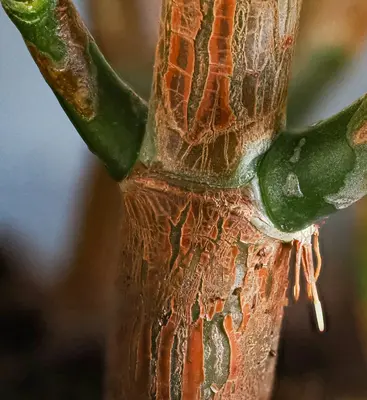
A vigorous climbing hoya known for its silvery speckled foliage and spectacular clusters of star-shaped, fragrant flowers that bloom in shades of pink to deep red. This easy-care succulent vine is perfect for beginners wanting to experience the magic of hoya blooms while enjoying its attractive trailing or climbing habit.
Sun
Partial shade
Zones
10–11
USDA hardiness
Height
3-6 feet
Complete Growing Guide
Light: Partial Shade (Direct sunlight only part of the day, 2-6 hours). Soil: High Organic Matter. Soil pH: Acid (<6.0), Neutral (6.0-8.0). Drainage: Good Drainage, Occasionally Dry, Very Dry. Spacing: 12 inches-3 feet. Growth rate: Rapid. Maintenance: Low. Propagation: Stem Cutting.
Harvesting
Bloom time: Spring, Summer
Storage & Preservation
Hoya Pubicalyx is a living houseplant and doesn't require storage like consumables. Keep it in a bright location with indirect light at 65-75°F and moderate humidity (40-60%). The plant thrives indoors year-round with proper watering—allow soil to dry between waterings to prevent root rot. For long-term preservation, propagate cuttings in water or well-draining soil to create backup plants. Provide monthly diluted fertilizer during growing season (spring/summer) and reduce watering in winter dormancy. Well-maintained specimens can live for decades in containers.
History & Origin
Origin: Philippines
Advantages
- +Silvery speckled foliage provides year-round visual interest even without blooms
- +Fragrant star-shaped pink-to-red flower clusters are stunning and rewarding
- +Vigorous growth habit makes it ideal for trailing baskets or trellises
- +Easy-care succulent nature means it tolerates neglect and irregular watering
- +Perfect beginner hoya that reliably flowers with minimal special care
Considerations
- -Susceptible to mealybugs and scale insects requiring regular pest monitoring
- -Root rot risk if soil stays too wet or drainage is poor
- -Requires consistent bright indirect light to produce abundant fragrant blooms
Companion Plants
Hoya pubicalyx groups well with other moderate-water plants that share its preference for indirect light and a soil pH in the 6.0–7.5 range. Pothos and Philodendron are the most practical neighbors — their watering schedules align closely enough that you're not accidentally drenching the hoya to keep something else alive. Spider Plant and Peperomia fit the same logic, and at 2-3 feet of spacing they don't crowd the hoya's vining stems. Around here in the Georgia heat, summer humidity indoors drops fast once the AC runs all day, and clustering these plants together raises ambient humidity slightly through transpiration — modest, but real.
The problem pairings are mostly about water mismatch. Cactus and Snake Plant want to go 3-4 weeks between drinks and need gritty, fast-draining soil — fine for them, but those conditions will leave a Peperomia or Peace Lily struggling in the same corner. Rubber Plant and Fiddle Leaf Fig are a different issue: they're not toxic neighbors, just demanding ones with specific light and humidity requirements of their own, and they'll compete for the same bright-indirect spots without contributing anything to the arrangement.
Plant Together
Pothos
Similar humidity and light requirements, helps maintain ambient moisture
Philodendron
Compatible watering schedule and creates humid microclimate together
Spider Plant
Similar care needs and both help purify air while maintaining humidity
ZZ Plant
Tolerates similar light conditions and helps maintain stable humidity levels
Fern
Creates beneficial humid environment and shares preference for bright, indirect light
Peperomia
Similar watering needs and both prefer well-draining soil with consistent moisture
Tradescantia
Compatible humidity requirements and similar trailing growth habit provides good spacing
Peace Lily
Acts as humidity indicator and creates moist microclimate beneficial for Hoya growth
Keep Apart
Rubber Plant
Much higher water requirements can lead to overwatering of Hoya roots
Cactus
Requires very dry conditions that conflict with Hoya's need for consistent humidity
Fiddle Leaf Fig
Needs frequent watering that can cause root rot in Hoyas
Snake Plant
Prefers very dry soil between waterings which doesn't support Hoya's moisture needs
Pests & Disease Resistance
Resistance
Very resistant when not overwatered
Common Pests
Mealybugs, aphids, scale insects
Diseases
Root rot from overwatering, rarely affected by other diseases
Troubleshooting Hoya Pubicalyx
What you'll see, why it happens, and what to do about it.
White cottony clumps in leaf axils or along the stem, leaves looking dull and sticky
Likely Causes
- Mealybugs (Pseudococcidae family) — common on hoyas kept indoors year-round, especially in warm, low-airflow rooms
- Overwintering houseplants brought in from a porch can import a colony that explodes once inside
What to Do
- 1.Dab each visible cluster with a cotton swab soaked in 70% isopropyl alcohol — do this once a week for 3-4 weeks
- 2.Follow up with a spray of neem oil mixed at 2 tablespoons per gallon of water, covering the undersides of leaves
- 3.Quarantine the plant away from your other houseplants until you've had two clean inspections a week apart
Stems going soft and dark at the base, leaves yellowing and dropping even though you haven't skipped a watering
Likely Causes
- Root rot — almost always caused by overwatering or a pot without drainage holes, which keeps roots sitting in wet soil
- A soil mix that holds too much moisture (straight potting mix without added perlite or bark)
What to Do
- 1.Unpot the plant and cut away any black or mushy roots with clean scissors; let the root ball air-dry for an hour before repotting
- 2.Repot into a mix of 60% potting soil and 40% perlite or orchid bark, and choose a pot with at least one drainage hole
- 3.Hold off on watering until the top 2 inches of soil are completely dry — Hoya pubicalyx genuinely prefers to dry out between waterings
Tan or brown crusty bumps along stems that won't rub off easily, with a sticky residue on leaves below
Likely Causes
- Scale insects (commonly soft brown scale, Coccus hesperidum) — they attach to stems and feed on sap, secreting honeydew as a byproduct
- Stagnant indoor air and low humidity favor scale outbreaks, particularly in heated rooms in winter
What to Do
- 1.Scrape the bumps off manually with an old toothbrush or the edge of a plastic card, then wipe stems down with isopropyl alcohol on a cloth
- 2.Apply horticultural oil spray (follow label dilution, typically 2-4 tablespoons per gallon) every 10-14 days for a month
- 3.Check every plant within 3 feet — scale spreads slowly but steadily to neighbors
Frequently Asked Questions
Is Hoya Pubicalyx good for beginners?▼
How long does it take Hoya Pubicalyx to flower?▼
Can you grow Hoya Pubicalyx in containers?▼
What light conditions does Hoya Pubicalyx need?▼
How often should I water Hoya Pubicalyx?▼
What pests affect Hoya Pubicalyx and how do I treat them?▼
Growing Guides from Wind River Greens
Sources & References
External authority sources used in compiling this guide.
- ExtensionNC State Extension
See the Methodology page for how this data is sourced, what's AI-assisted, and known limitations.