Classic Magic
Centaurea cyanus
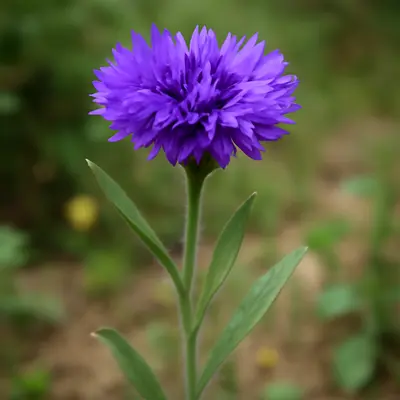
Abundant 1-1 1/2" flowers on upright plants. Double and semidouble bicolor blooms in black & plum, black & white, and purple. Attractive frosty appearance. Elegant addition to salads and desserts.
Harvest
65-75d
Days to harvest
Sun
Full sun to partial shade
Zones
2–11
USDA hardiness
Height
1-3 feet
Planting Timeline
Showing dates for Classic Magic in USDA Zone 7
All Zone 7 flower →Zone Map
Click a state to update dates
Classic Magic · Zones 2–11
Growing Details
Succession Planting
Direct sow every 14-21 days from early April through mid-June in zone 7 for a continuous run of blooms. Germination is most reliable when soil temperatures hold between 60-65°F; once daytime highs break 85°F consistently, new sowings tend to stall and the plants that do establish bolt before they flower well. For a fall flush, count back 75 days from your first frost date and sow then — in most of zone 7, that lands you in late July to early August.
Complete Growing Guide
Abundant 1-1 1/2" flowers on upright plants. Double and semidouble bicolor blooms in black & plum, black & white, and purple. Attractive frosty appearance. Elegant addition to salads and desserts. According to Johnny's Selected Seeds, Classic Magic is 65 - 75 days to maturity, annual, open pollinated. Notable features: Use for Cut Flowers and Bouquets, Edible Flowers, Attracts Beneficial Insects.
Light: Full sun (6 or more hours of direct sunlight a day), Partial Shade (Direct sunlight only part of the day, 2-6 hours). Soil: Clay, High Organic Matter, Loam (Silt). Soil pH: Acid (<6.0), Alkaline (>8.0), Neutral (6.0-8.0). Drainage: Good Drainage, Moist. Height: 1 ft. 0 in. - 3 ft. 0 in.. Spread: 1 ft. 0 in. - 2 ft. 0 in.. Spacing: Less than 12 inches. Growth rate: Medium. Maintenance: High. Propagation: Seed.
Harvesting
Classic Magic reaches harvest at 65 - 75 days from sowing per Johnny's Selected Seeds. Expect 1-1 1/2" at peak. As an annual, harvest continues until frost ends the season.
Finely hairy, straw-colored at maturity with a tuft of short, stiff, light brown bristles at the tip.
Color: Cream/Tan. Type: Achene. Length: < 1 inch. Width: < 1 inch.
Harvest time: Fall
Edibility: Edible
Storage & Preservation
Fresh flowers last 3-5 days in the refrigerator. Store unwashed blooms stem-down in a shallow container lined with damp paper towels, covered loosely with plastic wrap, at 35-40°F. Keep away from ripening fruits, which release ethylene gas that damages flowers.
For longer preservation, dry flowers by hanging small bunches upside-down in a warm, dark, well-ventilated space for 2-3 weeks—dried blooms retain color and can be used for teas or potpourri. Alternatively, press flowers between parchment paper under heavy books for 2-3 weeks, creating botanical decorations that last indefinitely. For culinary preservation, freeze fresh petals in ice cube trays with a small amount of water, creating decorative ice cubes for beverages. Frozen petals maintain color and can be stored up to 3 months, though they soften when thawed and work best as garnish for cold dishes rather than fresh applications.
History & Origin
Classic Magic is open-pollinated, meaning seed saved from healthy plants will produce true-to-type offspring. Listed in the Johnny's Selected Seeds catalog.
Origin: Western Asia, Europe
Advantages
- +Abundant bicolor blooms in striking black, plum, purple, and white combinations
- +Double and semidouble flower forms create fuller, more ornamental appearance than singles
- +Frosty frosted petal texture adds unique visual interest to arrangements
- +Edible flowers work as elegant garnish for salads and gourmet desserts
- +Moderately quick 65-75 day maturity with easy growth requirements
Considerations
- -Bicolor patterns may fade or wash out in intense summer heat
- -Double blooms can trap moisture and increase fungal disease susceptibility
- -Plant height and stem thickness may require staking in windy locations
Companion Plants
Marigolds (Tagetes spp.) and Nasturtiums are the most useful neighbors here — marigolds push back aphids and whiteflies with scent compounds, while nasturtiums lure those same aphids onto themselves and away from your bachelor's buttons. Alyssum fills in at ground level and draws parasitic wasps that keep soft-bodied pest populations in check. Give Classic Magic a hard 18-inch buffer from Fennel, which suppresses flowering companions through root secretions, and keep it out of any spot within reach of a Black Walnut's root zone — juglone doesn't need to be discussed at length; it just kills plants.
Plant Together
Marigolds
Repel nematodes, aphids, and whiteflies while attracting beneficial insects
Nasturtiums
Act as trap crops for aphids and cucumber beetles, repel squash bugs
Alyssum
Attracts beneficial insects like hoverflies and parasitic wasps for pest control
Petunias
Repel aphids, tomato hornworms, and other garden pests naturally
Lavender
Deters moths, fleas, and mice while attracting pollinators like bees
Zinnias
Attract beneficial predatory insects and butterflies for natural pest management
Cosmos
Attract parasitic wasps and other beneficial insects while providing habitat
Sunflowers
Attract beneficial birds and insects, provide natural support structure
Keep Apart
Black Walnut Trees
Release juglone toxin that inhibits growth and can kill sensitive flowering plants
Eucalyptus
Produces allelopathic compounds that suppress growth of nearby plants
Fennel
Inhibits growth of most garden plants through allelopathic root secretions
Pests & Disease Resistance
Common Pests
Aphids (in crowded plantings); generally pest-resistant
Diseases
Minimal disease pressure in good cultural conditions
Troubleshooting Classic Magic
What you'll see, why it happens, and what to do about it.
Stunted new growth, sticky residue on stems and buds, visible clusters of small soft-bodied insects
Likely Causes
- Aphid infestation (commonly Myzus persicae or Aphis fabae) — almost always worse in dense, overcrowded plantings where airflow is poor
- Over-fertilizing with nitrogen, which pushes the soft new growth aphids prefer
What to Do
- 1.Blast aphids off with a firm stream of water from a hose — do this in the morning so stems dry before evening
- 2.Thin plants to at least 12 inches apart if you haven't already; aphids spread fast in a crowd
- 3.If pressure is heavy, apply insecticidal soap directly to colonies, coating the undersides of leaves where they shelter
Powdery white or gray coating on leaves, usually appearing mid-season when nights cool down
Likely Causes
- Powdery mildew (Erysiphe cichoracearum) — thrives when warm days are followed by cool, humid nights
- Poor airflow from tight spacing or planting against a fence or wall
What to Do
- 1.Remove and trash (don't compost) any heavily coated leaves immediately
- 2.Open up spacing to 12-18 inches between plants — this does more than any spray
- 3.Apply diluted neem oil (2 tsp per quart of water with a few drops of dish soap) every 7 days until symptoms stop advancing
Leggy stems flopping over, sparse flowering, plant reaching 3 feet with few blooms after day 70
Likely Causes
- Insufficient sunlight — Classic Magic needs at least 4-6 hours of direct sun; shade pushes stem elongation at the expense of buds
- Skipping deadheading, which signals the plant to stop producing once seeds set
What to Do
- 1.Deadhead spent blooms every 3-5 days — cut back to the next lateral bud, not just the flower head
- 2.If the spot gets fewer than 4 hours of direct sun, relocate this variety next season; extra fertilizer won't compensate for lost light
- 3.Stake floppy stems with bamboo canes, or let neighboring Cosmos or Zinnias shoulder some of the load
Frequently Asked Questions
How long does Classic Magic take to grow from seed?▼
Is Classic Magic good for beginner gardeners?▼
Can you grow Classic Magic in containers?▼
Are Classic Magic flowers really edible?▼
How much sun does Classic Magic need?▼
What should I do to keep Classic Magic flowering all season?▼
Zone-by-Zone Planting Calendar
| Zone | Indoor Start | Transplant | Direct Sow | Harvest |
|---|---|---|---|---|
| Zone 1 | May – June | July – August | July – September | — |
| Zone 2 | April – May | June – July | June – August | — |
| Zone 11 | January – January | January – February | January – March | — |
| Zone 12 | January – January | January – February | January – March | — |
| Zone 13 | January – January | January – February | January – March | — |
| Zone 3 | April – May | June – July | June – August | — |
| Zone 4 | March – April | June – June | June – July | — |
| Zone 5 | March – April | May – June | May – July | — |
| Zone 6 | March – April | May – June | May – July | — |
| Zone 7 | February – March | April – May | April – June | — |
| Zone 8 | February – March | April – May | April – June | — |
| Zone 9 | January – February | March – April | March – May | — |
| Zone 10 | January – January | February – March | February – April | — |
Growing Guides from Wind River Greens
Sources & References
External authority sources used in compiling this guide.
- BreederJohnny's Selected Seeds
See the Methodology page for how this data is sourced, what's AI-assisted, and known limitations.