Blue-Eyed Grass
Sisyrinchium angustifolium
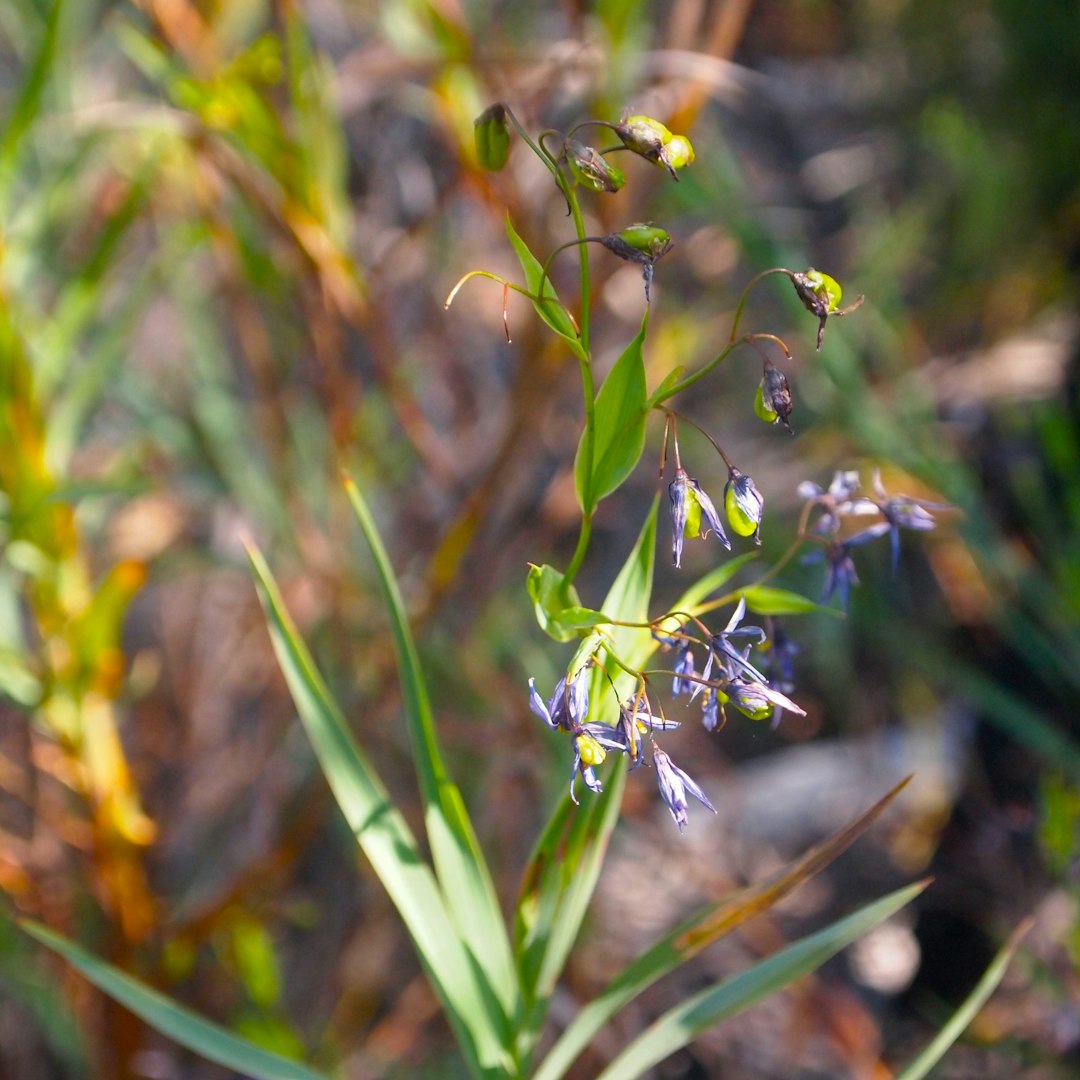
Blue-Eyed Grass (Sisyrinchium angustifolium) is a perennial native wildflower. Hardy in USDA zones 4 to 9.
Sun
Full sun to partial shade
Zones
4–9
USDA hardiness
Height
18-24 inches
Planting Timeline
Showing dates for Blue-Eyed Grass in USDA Zone 7
All Zone 7 native-wildflower →Zone Map
Click a state to update dates
Blue-Eyed Grass · Zones 4–9
Growing Details
Complete Growing Guide
Light: Full sun (6 or more hours of direct sunlight a day), Partial Shade (Direct sunlight only part of the day, 2-6 hours). Soil: Clay, High Organic Matter, Loam (Silt), Sand. Soil pH: Acid (<6.0), Neutral (6.0-8.0). Drainage: Good Drainage, Moist, Occasionally Dry. Height: 1 ft. 6 in. - 2 ft. 0 in.. Spread: 0 ft. 6 in. - 1 ft. 0 in.. Spacing: Less than 12 inches, 12 inches-3 feet. Growth rate: Medium. Maintenance: Medium. Propagation: Division, Seed. Regions: Coastal, Mountains, Piedmont.
Harvesting
Displays from May to July. The capsules can be collected for seed when they darken and become wrinkled.
Color: Black, Brown/Copper. Type: Capsule. Length: < 1 inch. Width: < 1 inch.
Harvest time: Summer
Storage & Preservation
Blue-Eyed Grass is a non-edible ornamental wildflower grown for its delicate blue and yellow flowers, so traditional food storage doesn't apply. If harvesting fresh flowers for arrangements, place cut stems in a vase with cool water at 65-70°F and change water every 2-3 days for 5-7 days of vase life. For preservation, dry flowers by hanging bundles upside-down in a cool, dark, well-ventilated space for 2-3 weeks, or press individual flowers between parchment paper under weights for botanical specimens. Alternatively, freeze flowers in ice cubes with water for decorative use in beverages.
History & Origin
Sisyrinchium angustifolium is a native perennial wildflower naturally distributed across eastern and central North America, where it has grown wild for millennia in meadows and prairie grasslands. Rather than a deliberately bred cultivar, Blue-Eyed Grass represents a species that European settlers and botanists encountered and documented in its native habitat. The plant was botanically described and classified within the Iridaceae family, though specific breeder records or formal introduction documentation are not well established. Its common name reflects the distinctive pale blue to purple flowers with yellow centers that characterize the species. Today it remains available through native plant nurseries and seed companies primarily for ecological restoration and native plant gardening rather than as a developed horticultural variety.
Origin: North America
Advantages
- +Delicate blue-violet flowers attract pollinators and native bees reliably.
- +Thrives in poor soil conditions where many ornamentals struggle completely.
- +Extremely cold-hardy perennial, reliable across USDA zones 4 through 9.
- +Low maintenance once established, requiring minimal water or fertilization.
- +Blooms spring through early summer with dainty, distinctive star-shaped flowers.
Considerations
- -Plants are short-lived perennials, often declining after three to four years.
- -Tends to self-seed aggressively, creating volunteer seedlings throughout garden beds.
- -Prefers moist conditions and may decline during extended drought periods.
- -Foliage appears thin and grassy, offering minimal visual interest post-bloom.
Companion Plants
Wild Bergamot and Black-Eyed Susan are the most practical neighbors here — both tolerate lean to moderately fertile soil, so none of them pull the planting toward heavy feeding that would push Blue-Eyed Grass into rank, floppy growth, and their bloom times layer across late spring into summer without one smothering the other. Little Bluestem and Prairie Dropseed earn their spot because fine-textured grass roots don't crowd Sisyrinchium's shallow rhizomes the way sod-formers do. Tall Fescue is the one to exclude — it produces allelopathic compounds that suppress forb germination, and its dense mat will physically outpace an 18-inch plant within a single growing season. Crown Vetch and Canada Thistle spread aggressively enough to bury it entirely.
Plant Together
Wild Bergamot
Attracts beneficial pollinators and has similar moisture and sun requirements
Purple Coneflower
Shares similar growing conditions and attracts butterflies that also benefit Blue-Eyed Grass
Little Bluestem Grass
Provides structural support and creates natural prairie ecosystem conditions
Wild Lupine
Fixes nitrogen in soil and blooms at different times, extending pollinator season
Black-Eyed Susan
Attracts beneficial insects and thrives in similar well-drained soil conditions
Prairie Dropseed
Compatible native grass that doesn't compete aggressively for resources
Wild Columbine
Shares similar moisture needs and attracts different pollinators for biodiversity
Nodding Onion
Natural pest deterrent that doesn't compete with Blue-Eyed Grass root system
Keep Apart
Tall Fescue
Aggressive spreading grass that outcompetes and crowds out native wildflowers
Crown Vetch
Invasive legume that forms dense mats and smothers low-growing native plants
Canada Thistle
Aggressive perennial weed that spreads rapidly and competes for nutrients and space
Troubleshooting Blue-Eyed Grass
What you'll see, why it happens, and what to do about it.
Clumps thinning out or disappearing after 2-3 years, even when the plant looked healthy before
Likely Causes
- Natural short-lived perennial behavior — Sisyrinchium angustifolium self-seeds but individual crowns die out on a 2-4 year cycle
- Overwatering or poor drainage causing crown rot
What to Do
- 1.Let some flower stalks go to seed each year so the colony can replenish itself naturally
- 2.Check that the planting site drains within a few hours of rain — standing water around the crown will kill it faster than drought will
- 3.Divide established clumps every 2-3 years in early spring before new growth hardens
Leaf tips turning brown and papery, starting mid-summer
Likely Causes
- Drought stress — this plant wants consistent moisture and will go dormant early if the soil dries out repeatedly
- Reflected heat from nearby hardscape (pavers, walls) cooking the fine foliage
What to Do
- 1.Water deeply 2-3 times per week during dry stretches; the soil at 2 inches depth should feel consistently damp
- 2.Mulch around the base with 1-2 inches of shredded leaves to hold moisture — keep mulch off the crown itself
- 3.If the plant sits next to a south-facing wall or paved area, move it in fall to a spot that gets afternoon shade
Foliage yellowing and mushy at the base in spring or after a prolonged wet stretch
Likely Causes
- Crown rot from Fusarium or Pythium spp. — both thrive in waterlogged soil at cool temperatures
- Planting too deep, with the crown buried below the soil surface
What to Do
- 1.Dig the plant, cut away any blackened or mushy tissue with clean scissors, and replant so the crown sits flush with the soil surface — not below it
- 2.Work coarse sand or fine grit into the bed if your soil stays saturated for more than 24 hours after rain
- 3.Water at the base in the morning, not overhead, especially during cool cloudy spells when foliage dries slowly
Frequently Asked Questions
Is Blue-Eyed Grass good for beginner gardeners?▼
When should I plant Blue-Eyed Grass?▼
Can you grow Blue-Eyed Grass in containers?▼
How long does Blue-Eyed Grass bloom?▼
What are the light requirements for Blue-Eyed Grass?▼
How do I propagate Blue-Eyed Grass?▼
Zone-by-Zone Planting Calendar
Growing Guides from Wind River Greens
Sources & References
External authority sources used in compiling this guide.
- ExtensionNC State Extension
See the Methodology page for how this data is sourced, what's AI-assisted, and known limitations.