Johnny's Potomac Custom Mix
Antirrhinum majus
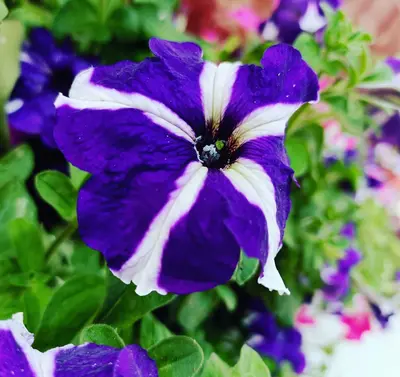
Wikimedia Commons via Antirrhinum majus
Selected mix for improved uniformity of bloom time and stem length. Group 3-4: Warm season snapdragons are bred for optimal performance under long days, high light levels, and warm temperatures. Mix contains appleblossom bicolor, cherry rose, royal, yellow, white, red, orange, lavender, and pink. Colors are subject to change depending upon availability.Edible Flowers: The flowers are a colorful garnish for use in salads, desserts, and drinks. The flavor is floral and slightly bitter, so use sparingly.
Harvest
110-120d
Days to harvest
Sun
Full sun to partial shade
Zones
7–10
USDA hardiness
Height
0-3 feet
Planting Timeline
Showing dates for Johnny's Potomac Custom Mix in USDA Zone 7
All Zone 7 flower →Zone Map
Click a state to update dates
Johnny's Potomac Custom Mix · Zones 7–10
Growing Details
Succession Planting
Potomac Mix snapdragons perform best in cool-to-warm weather and start declining hard once daytime highs lock in above 88–90°F. In zone 7, start a first round indoors in late February, transplant out in April after your last frost (typically mid-April in north Georgia), and expect blooms from late June through early July. For a fall flush, start a second round indoors in late June and get transplants into the ground by early August — those plants will carry you from October through frost.
Don't bother with a midsummer succession. Seeds started in May or June will hit transplant size right as heat peaks, and at 110–120 days to harvest they won't produce much before a killing frost cuts them off. Two rounds — spring and late-summer — is the practical ceiling for this variety in zone 7.
Complete Growing Guide
Selected mix for improved uniformity of bloom time and stem length. Group 3-4: Warm season snapdragons are bred for optimal performance under long days, high light levels, and warm temperatures. Mix contains appleblossom bicolor, cherry rose, royal, yellow, white, red, orange, lavender, and pink. Colors are subject to change depending upon availability.Edible Flowers: The flowers are a colorful garnish for use in salads, desserts, and drinks. The flavor is floral and slightly bitter, so use sparingly. According to Johnny's Selected Seeds, Johnny's Potomac Custom Mix is 110 - 120 days to maturity, annual, hybrid (f1). Notable features: Easy Choice, Greenhouse Performer, Use for Cut Flowers and Bouquets, Edible Flowers, Fragrant.
Light: Full sun (6 or more hours of direct sunlight a day), Partial Shade (Direct sunlight only part of the day, 2-6 hours). Soil: High Organic Matter. Drainage: Good Drainage. Height: 0 ft. 6 in. - 3 ft. 0 in.. Spread: 0 ft. 6 in. - 0 ft. 10 in.. Spacing: Less than 12 inches. Growth rate: Medium. Maintenance: Medium.
Harvesting
Johnny's Potomac Custom Mix reaches harvest at 110 - 120 days from sowing per Johnny's Selected Seeds. As an annual, harvest continues until frost ends the season.
A capsule, half hidden by calyx lobes, short-beaked.
Type: Capsule. Length: 1-3 inches.
Storage & Preservation
Fresh snapdragon flowers used as edible garnish should be consumed the day of harvest for optimal texture and color. If you must store them briefly, place the stems in a vase of cool water in the refrigerator—they'll hold for 2-3 days this way. Keep them away from ripening fruit, which releases ethylene gas that accelerates flower wilting.
Cut flower spikes last 10-14 days when properly conditioned. Remove lower foliage, cut stems at a 45-degree angle, and place immediately in cool water with floral preservative. Change water every 2-3 days for longest vase life.
For longer preservation, air-dry unopened flower buds by hanging them upside-down in a warm, dark, well-ventilated space for 2-3 weeks. Once fully dry, store in an airtight container away from moisture and light. Dried snapdragon spikes retain color and form beautifully for arrangements lasting months. Alternatively, freeze individual flowers layered in parchment paper in an airtight freezer bag for up to 3 months if you plan to use them for decoration rather than culinary purposes.
History & Origin
Johnny's Potomac Custom Mix is an F1 hybrid developed through controlled cross-pollination. Listed in the Johnny's Selected Seeds catalog.
Origin: Southwestern Europe
Advantages
- +Uniform bloom timing and stem length reduce sorting and grading labor
- +Diverse color mix appeals to multiple market segments and arrangements
- +Edible flower variety adds premium value for culinary and beverage uses
- +Group 3-4 warm-season breeding ensures reliable performance in summer conditions
- +110-120 day timeline allows two successive plantings in warm climates
Considerations
- -Color availability fluctuates, creating inconsistent product for repeat customers
- -Floral-bitter flavor requires careful dosing to avoid overpowering dishes
- -Snapdragons prone to rust and powdery mildew in humid conditions
- -Mixed variety plantings complicate targeted pest and disease management strategies
Companion Plants
Marigolds (especially Tagetes patula) are the most practical companion here — they deter thrips and whiteflies through scent compounds in their foliage, and they pull double duty as a cut flower in the same bed without competing much for the 1 inch of water per week both crops want. Sweet alyssum planted at the border draws in Aphidius wasps and other parasitoids that keep whitefly populations from building up before you notice them. Calendula does something similar, and its sticky stems physically trap small soft-bodied insects before they reach your snapdragons. Dill and chives tucked in at the row ends add more predatory insect habitat without shading out the shorter Potomac Mix plants.
Black walnut (Juglans nigra) is the one to avoid hardest — juglone leaches from the roots and leaf litter and will stunt or kill Antirrhinum majus outright; 50 feet from the drip line is the minimum safe distance NC State Extension cites for sensitive species. Sunflowers are a subtler problem: in our zone 7 Georgia garden they tend to go up fast in May and cast shade right when transplanted snapdragons need full sun to set their first flush of blooms, and their root exudates have shown mild allelopathic effects on neighboring annuals in controlled trials.
Plant Together
Marigolds
Repel nematodes, aphids, and whiteflies while attracting beneficial insects
Sweet Alyssum
Attracts beneficial insects like lacewings and hoverflies for natural pest control
Nasturtiums
Act as trap crops for aphids and cucumber beetles while attracting pollinators
Lavender
Repels moths, fleas, and mosquitoes while attracting bees and butterflies
Cosmos
Attracts beneficial insects and provides habitat for pest predators
Dill
Attracts beneficial wasps and ladybugs that control aphids and other pests
Calendula
Repels aphids and whiteflies while attracting pollinators and beneficial insects
Chives
Repel aphids and other soft-bodied insects with their sulfur compounds
Keep Apart
Black Walnut
Produces juglone toxin that inhibits growth and can kill sensitive flowering plants
Eucalyptus
Releases allelopathic compounds that suppress growth of nearby plants
Sunflowers
Can release allelopathic chemicals and compete aggressively for nutrients and water
Pests & Disease Resistance
Common Pests
Spider mites, whiteflies, thrips
Diseases
Powdery mildew, rust, root rot in waterlogged conditions
Troubleshooting Johnny's Potomac Custom Mix
What you'll see, why it happens, and what to do about it.
Fine webbing on leaf undersides, leaves look dusty or stippled, plants losing color around day 60–80 in hot weather
Likely Causes
- Two-spotted spider mite (Tetranychus urticae) — thrives when temperatures stay above 85°F and humidity drops
- Dusty, dry conditions that mite populations love
What to Do
- 1.Blast leaf undersides with a strong stream of water three days in a row to knock mites off
- 2.Apply insecticidal soap or neem oil at dusk — full coverage on the undersides, every 5–7 days until pressure drops
- 3.Keep soil moisture consistent at roughly 1 inch per week; stressed, dry plants attract mites faster
White powdery coating on upper leaf surfaces, usually appearing mid-summer when nights cool back down
Likely Causes
- Powdery mildew (Podosphaera xanthii or Erysiphe cichoracearum) — airborne spores that spike when days are warm and nights drop below 65°F
- Poor airflow from crowded 12-inch spacing or nearby hedges
What to Do
- 1.Strip and bag affected leaves — don't compost them
- 2.Spray with a potassium bicarbonate solution (follow label rate) or a diluted neem oil mix every 7 days
- 3.Next planting, open spacing to the full 18-inch end of the range and avoid overhead irrigation in the evening
Tiny silver streaks or flecks on petals and young leaves, flowers distorted or failing to open fully
Likely Causes
- Western flower thrips (Frankliniella occidentalis) — rasping mouthparts scar tissue as they feed
- Thrips often ride in on transplants from greenhouse stock
What to Do
- 1.Introduce or encourage Orius insidiosus (minute pirate bug) — a natural predator available from biocontrol suppliers
- 2.Hang sticky blue or yellow cards at canopy height to confirm pressure levels before committing to a spray program
- 3.Spinosad-based spray (Entrust SC for organic, or Monterey Garden Insect Spray for home use) applied in early morning, repeated at 7-day intervals
Stems turning brown or black at soil level, plants wilting even when the soil is wet, root mass slimy when you pull the plant
Likely Causes
- Pythium or Phytophthora root rot — water molds that take over in waterlogged or poorly drained beds
- Planting in low spots that collect water after rain, or overwatering seedlings before roots are established
What to Do
- 1.Pull and discard affected plants — they won't recover
- 2.Amend the bed with 2–3 inches of compost worked in 8–10 inches deep to improve drainage before the next planting
- 3.Water at the base, not overhead, and let the top inch of soil dry between waterings once plants are established
Frequently Asked Questions
How long does Johnny's Potomac Custom Mix take to flower from seed?▼
Is Johnny's Potomac Custom Mix good for beginners?▼
Can you grow Johnny's Potomac Custom Mix in containers?▼
Are the flowers on Johnny's Potomac Custom Mix actually edible?▼
What's the difference between Johnny's Potomac and other snapdragon varieties?▼
Why isn't my Johnny's Potomac Custom Mix producing many flowers?▼
Zone-by-Zone Planting Calendar
| Zone | Indoor Start | Transplant | Direct Sow | Harvest |
|---|---|---|---|---|
| Zone 3 | April – May | June – July | June – August | — |
| Zone 4 | March – April | June – June | June – July | — |
| Zone 5 | March – April | May – June | May – July | — |
| Zone 6 | March – April | May – June | May – July | — |
| Zone 7 | February – March | April – May | April – June | — |
| Zone 8 | February – March | April – May | April – June | — |
| Zone 9 | January – February | March – April | March – May | — |
| Zone 10 | January – January | February – March | February – April | — |
| Zone 1 | May – June | July – August | July – September | — |
| Zone 2 | April – May | June – July | June – August | — |
| Zone 11 | January – January | January – February | January – March | — |
| Zone 12 | January – January | January – February | January – March | — |
| Zone 13 | January – January | January – February | January – March | — |
Growing Guides from Wind River Greens
Sources & References
External authority sources used in compiling this guide.
- BreederJohnny's Selected Seeds
See the Methodology page for how this data is sourced, what's AI-assisted, and known limitations.