Jazzy Mix
Zinnia haageana
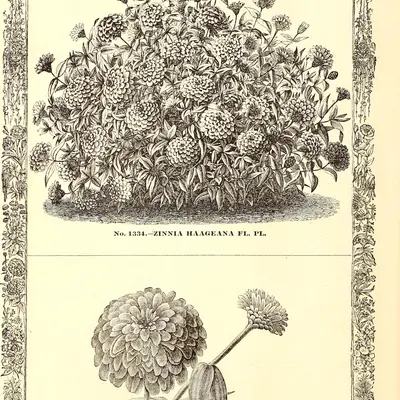
Attractive fully double and semidouble blooms are 1-2" in size. Bright and earthy shades of burgundy red, red, yellow, and orange with cream, red, or yellow tips. Plants are compact but highly productive. Cut-and-come-again flower, yielding multiple cuts over the season.
Harvest
75-85d
Days to harvest
Sun
Full sun to partial shade
Zones
2–12
USDA hardiness
Height
12-18 inches
Planting Timeline
Showing dates for Jazzy Mix in USDA Zone 7
All Zone 7 flower →Zone Map
Click a state to update dates
Jazzy Mix · Zones 2–12
Growing Details
Succession Planting
Direct sow Jazzy Mix every 3 weeks from April 1 through June 15 in zone 7 for a continuous cut-flower supply through fall. Each planting takes 75–85 days to first bloom, so a June 15 sowing will push flowers into mid-September, right before first frost. Don't bother sowing after late June — the plants will still grow, but hard frost will cut the bloom window short before you get full value out of them.
If you started seeds indoors in February or March and transplanted in April, that first planting will likely peak in July. Let it run, but get your second direct sowing in the ground by mid-May so there's something coming on strong when the first flush fades in August.
Complete Growing Guide
Attractive fully double and semidouble blooms are 1-2" in size. Bright and earthy shades of burgundy red, red, yellow, and orange with cream, red, or yellow tips. Plants are compact but highly productive. Cut-and-come-again flower, yielding multiple cuts over the season. According to Johnny's Selected Seeds, Jazzy Mix is 75 - 85 days to maturity, annual, open pollinated. Notable features: Grows Well in Containers, Use for Cut Flowers and Bouquets, Attracts Beneficial Insects.
Light: Full sun (6 or more hours of direct sunlight a day), Partial Shade (Direct sunlight only part of the day, 2-6 hours). Soil: High Organic Matter, Loam (Silt). Soil pH: Acid (<6.0), Alkaline (>8.0), Neutral (6.0-8.0). Drainage: Good Drainage, Occasionally Dry. Height: 1 ft. 0 in. - 1 ft. 6 in.. Spread: 0 ft. 6 in. - 1 ft. 0 in.. Spacing: 12 inches-3 feet. Growth rate: Rapid. Maintenance: Medium. Propagation: Seed. Regions: Coastal, Mountains, Piedmont.
Harvesting
Jazzy Mix reaches harvest at 75 - 85 days from sowing per Johnny's Selected Seeds. Expect 1-2" at peak. As an annual, harvest continues until frost ends the season.
Type: Achene.
Storage & Preservation
For fresh storage, keep Jazzy Mix flowers in a cool location at 65-72°F with moderate humidity (50-60%). Store in a vase with fresh, cool water and change the water daily for maximum longevity. Shelf life is typically 7-10 days. For preservation, try air-drying by hanging bundles upside-down in a dark, well-ventilated space for 2-3 weeks to create long-lasting dried arrangements. Alternatively, press flowers between parchment paper under weight for 1-2 weeks to preserve them flat for crafts or scrapbooking. Silica gel drying is also effective for maintaining color and form within 3-5 days.
History & Origin
Jazzy Mix is open-pollinated, meaning seed saved from healthy plants will produce true-to-type offspring. Listed in the Johnny's Selected Seeds catalog.
Origin: Mexico
Advantages
- +Fully double and semidouble blooms provide luxurious, garden-worthy flower forms
- +Compact plants maximize space efficiency in containers and small gardens
- +Cut-and-come-again productivity yields multiple harvests throughout the growing season
- +Vibrant color mix of burgundy, red, yellow, and orange appeals broadly
- +Easy difficulty level makes this variety suitable for beginner gardeners
Considerations
- -1-2 inch blooms are relatively small for some floral design applications
- -Requires consistent deadheading to maintain continuous flowering and plant vigor
- -Susceptible to powdery mildew in humid or poorly ventilated growing conditions
Companion Plants
Sweet Alyssum and Catmint pull their weight here — both draw in parasitic wasps and hoverflies that knock back aphid populations without any intervention on your part, and at 6–12 inches tall they won't shade out these 12–18-inch zinnias. French marigolds (Tagetes patula) add whitefly and thrips deterrence through their foliar and root compounds, and their orange-and-red tones are a natural echo for the bicolor blooms Jazzy Mix throws. Keep Fennel at the far end of the garden — it chemically suppresses most annuals — and stay alert to Black Walnut trees in older suburban lots around here in the southeast; the juglone they shed into the soil will quietly stall your zinnias before you figure out what's wrong.
Plant Together
Marigolds
Repel aphids, whiteflies, and nematodes while attracting beneficial insects
Sweet Alyssum
Attracts beneficial insects like hoverflies and parasitic wasps for pest control
Nasturtiums
Act as trap crops for aphids and cucumber beetles while adding complementary colors
Zinnias
Attract butterflies and beneficial pollinators, create attractive mixed borders
Cosmos
Attract beneficial insects and provide structural contrast with delicate foliage
Lavender
Repels moths, fleas, and mosquitoes while attracting bees and butterflies
Catmint
Deters ants, aphids, and rodents while providing long-lasting blooms
Sunflowers
Provide beneficial habitat for predatory insects and birds that eat garden pests
Keep Apart
Black Walnut
Produces juglone toxin that inhibits growth and can kill sensitive flowering plants
Eucalyptus
Releases allelopathic compounds that suppress growth of nearby flowering plants
Fennel
Inhibits growth of most garden plants through allelopathic root secretions
Troubleshooting Jazzy Mix
What you'll see, why it happens, and what to do about it.
White powdery coating on leaves and stems, usually appearing mid-summer when nights cool slightly after hot days
Likely Causes
- Powdery mildew (Erysiphe cichoracearum) — a fungal disease that spreads by airspores, not water splash, and thrives in humid air with poor circulation
- Crowded spacing or planting against a fence that traps still air
What to Do
- 1.Strip and trash the worst-affected leaves — don't compost them
- 2.Thin plants or cut back neighboring stems to open up airflow
- 3.Apply a diluted neem oil spray (2 tsp per quart of water) every 7 days until the spread stops; do it in the evening to avoid leaf scorch
Seedlings or young transplants collapsing at the soil line, stems look pinched and water-soaked just above the roots
Likely Causes
- Damping off — most commonly Pythium or Rhizoctonia fungi — triggered by overwatering or poorly drained seed-starting mix
- Starting seeds too early indoors in cold, low-light conditions where soil stays wet too long
What to Do
- 1.Pull the affected seedlings immediately; they won't recover
- 2.Let the remaining soil dry out more between waterings — zinnia seeds don't need constant moisture once they've sprouted
- 3.Next sowing, use a sterile seed-starting mix and make sure your trays have drainage holes that actually drain
Flower petals browning and rotting before they fully open, especially after a stretch of rainy weather
Likely Causes
- Botrytis blight (Botrytis cinerea) — gray mold that targets spent or stressed flower tissue in wet, overcast conditions
- Deadheading neglected too long, leaving rotting petals that give the fungus a foothold
What to Do
- 1.Deadhead every 3 to 5 days — cut spent blooms back to the next lateral branch, not just the flower head
- 2.Avoid overhead watering; water at the base in the morning so foliage dries before evening
- 3.If the problem is widespread, remove and bag all affected blooms, then apply a copper fungicide spray per label directions
Frequently Asked Questions
How long do Jazzy Mix flowers last in a vase?▼
Are Jazzy Mix flowers good for beginners?▼
Can you grow Jazzy Mix flowers in containers?▼
When should I plant Jazzy Mix flowers?▼
What colors do Jazzy Mix flowers come in?▼
How often can I harvest Jazzy Mix flowers?▼
Zone-by-Zone Planting Calendar
| Zone | Indoor Start | Transplant | Direct Sow | Harvest |
|---|---|---|---|---|
| Zone 3 | April – May | June – July | June – August | — |
| Zone 4 | March – April | June – June | June – July | — |
| Zone 5 | March – April | May – June | May – July | — |
| Zone 6 | March – April | May – June | May – July | — |
| Zone 7 | February – March | April – May | April – June | — |
| Zone 8 | February – March | April – May | April – June | — |
| Zone 9 | January – February | March – April | March – May | — |
| Zone 10 | January – January | February – March | February – April | — |
| Zone 1 | May – June | July – August | July – September | — |
| Zone 2 | April – May | June – July | June – August | — |
| Zone 11 | January – January | January – February | January – March | — |
| Zone 12 | January – January | January – February | January – March | — |
| Zone 13 | January – January | January – February | January – March | — |
Growing Guides from Wind River Greens
Sources & References
External authority sources used in compiling this guide.
- BreederJohnny's Selected Seeds
See the Methodology page for how this data is sourced, what's AI-assisted, and known limitations.