Caroline Red Raspberry
Rubus idaeus 'Caroline'
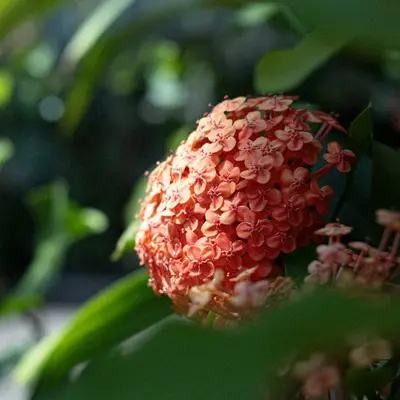
A premium everbearing red raspberry that produces two crops per year - a summer harvest on second-year canes and a heavy fall crop on first-year canes. Known for exceptional fruit quality with large, firm berries that have outstanding flavor and excellent shelf life. This disease-resistant variety thrives in hot climates better than most raspberries, making it perfect for challenging growing conditions.
Sun
Full sun to partial shade
Zones
4–8
USDA hardiness
Height
6 feet
Planting Timeline
Showing dates for Caroline Red Raspberry in USDA Zone 7
All Zone 7 berry →Zone Map
Click a state to update dates
Caroline Red Raspberry · Zones 4–8
Growing Details
Complete Growing Guide
Caroline Red Raspberry's dual-crop system demands different pruning than single-harvest varieties: leave first-year canes unpruned in fall to capture the prolific fall crop, then remove them after winter and cut second-year canes to 5-6 feet in early spring before summer fruiting. This cultivar unusually tolerates heat and humidity better than other raspberries, making it reliable in southern gardens where powdery mildew often plagues relatives. Plant in full sun with well-draining soil rich in organic matter, spacing canes 2-3 feet apart; while disease-resistant, Caroline can stretch tall and leggy if crowded or shaded. Watch for Japanese beetles in early summer, which favor this variety over other raspberries. The practical key to maximizing both harvests is staggered pruning: mark your calendar to selectively thin first-year canes in early summer, leaving 4-6 vigorous stems per hill to prevent overcrowding and improve air circulation, which reduces disease pressure and increases fall berry size.
Light: Full sun (6 or more hours of direct sunlight a day), Partial Shade (Direct sunlight only part of the day, 2-6 hours). Soil: Clay, High Organic Matter, Loam (Silt), Sand. Soil pH: Acid (<6.0). Drainage: Good Drainage. Spacing: 3 feet-6 feet, 6-feet-12 feet. Growth rate: Medium. Maintenance: Medium. Propagation: Division, Stem Cutting. Regions: Coastal, Mountains, Piedmont.
Harvesting
Caroline Red Raspberries reach peak harvest readiness when berries display a deep, glossy crimson color and feel slightly soft with gentle give to the touch, indicating optimal sugar development and juice content. Unlike single-harvest varieties, Caroline produces continuously from midsummer through first frost, requiring frequent picking every two to three days during peak season to encourage prolific fruiting on first-year canes and maximize the substantial fall crop. For best results, harvest in early morning after dew dries but before afternoon heat, as this timing preserves the berries' firmness and extends their exceptional shelf life.
Botanically the fruits are not berries (though they are usually called berries)– they are instead made of many small drupes. The fruits hold together in a hollow cone. Cultivars exist in various colors and tend to be more productive than the straight species.
Color: Gold/Yellow, Orange, Purple/Lavender, Red/Burgundy, White. Type: Aggregate, Drupe. Length: < 1 inch. Width: < 1 inch.
Garden value: Edible, Showy
Harvest time: Summer
Edibility: Fruit can be eaten raw or cooked and delicious when eaten out of hand. The fruit is also used in pies, preserves, and in wines. An herb tea is made from the dried leaves and some say that a type of tea made from raspberry and blackberry leaves is an excellent coffee substitute.
Storage & Preservation
Fresh Caroline raspberries store exceptionally well compared to other raspberry varieties, maintaining quality for 5-7 days in the refrigerator when kept in breathable containers - avoid plastic bags that trap moisture. Store unwashed at 32-35°F with high humidity for maximum shelf life.
For freezing, Caroline's firm texture makes it ideal for whole-berry freezing. Spread berries on baking sheets, freeze solid, then transfer to freezer bags - they'll maintain shape better than softer varieties when thawed. Caroline raspberries excel in jam-making due to their intense flavor and natural pectin content, requiring less added thickener than many varieties.
Their balanced sweet-tart profile and firm texture also make Caroline berries perfect for dehydrating - they retain more flavor and better texture than softer varieties when dried. The high sugar content and firm flesh ensure consistent results whether you're making fruit leather or dried whole berries.
History & Origin
Caroline Red Raspberry was developed by the breeding program at North Carolina State University, released in 2003 as part of their mission to create heat-tolerant raspberry varieties for challenging Southern growing conditions. Dr. J.R. Ballington led the development team that created Caroline through careful selection and hybridization, focusing on combining the everbearing trait with exceptional heat tolerance and disease resistance.
This variety was specifically bred to address the limitations of traditional raspberry varieties in warm, humid climates where most raspberries struggle with heat stress and fungal diseases. Caroline represents a breakthrough in extending raspberry growing regions beyond the traditional cool-climate zones, making fresh raspberry production viable for gardeners in zones 7-9.
The variety was named Caroline in honor of both North and South Carolina, reflecting its Southern heritage and adaptation. Since its release, Caroline has gained recognition among both commercial growers and home gardeners for its reliability in challenging climates and exceptional fruit quality that rivals traditional cool-climate varieties.
Advantages
- +Two harvests yearly with summer and heavy fall crops maximizes production
- +Large, firm berries maintain quality better than most raspberry varieties
- +Exceptional heat tolerance makes Caroline ideal for hot climates
- +Sweet-tart flavor with intense aroma delivers premium taste experience
- +Disease-resistant variety reduces fungal and pest management requirements
Considerations
- -Susceptible to anthracnose, gray mold, and powdery mildew in humid conditions
- -Moderate difficulty requires proper pruning technique for optimal two-crop production
- -Multiple pest threats including cane borers and spider mites need monitoring
- -Birds attracted to abundant fall fruit may cause significant harvest losses
Companion Plants
Garlic and chives planted along the row edges pull real weight — their sulfur compounds deter aphids, which pester new primocanes reliably every spring. French marigolds (Tagetes patula) add pest-confusion effect and are easy to tuck between posts without competing for root space. Comfrey earns a spot nearby if you have room: its deep taproot pulls calcium and potassium up from below 12 inches, and cut leaves laid at the base of canes break down into a useful mulch. Black walnut needs to stay off the property entirely — juglone moves through the soil far enough to stunt or kill raspberries, and there's no workaround short of distance. Fennel is allelopathic to most berry crops and should live in a separate bed well away from this row.
Plant Together
Garlic
Repels aphids, spider mites, and other pests while improving soil health
Chives
Deters aphids and Japanese beetles, attracts beneficial insects
Marigolds
Repels nematodes and attracts pollinators and pest-eating insects
Comfrey
Deep roots bring nutrients to surface, leaves make excellent mulch
Tansy
Repels ants, mice, and flying insects that damage raspberry canes
Strawberries
Share similar soil preferences and attract common beneficial insects
Lavender
Attracts pollinators and repels moths and other harmful insects
Parsley
Attracts beneficial insects like hoverflies that prey on aphids
Keep Apart
Black Walnut
Releases juglone toxin that inhibits raspberry growth and fruit production
Tomatoes
Share verticillium wilt and other soil-borne diseases
Potatoes
Both susceptible to similar fungal diseases and pest issues
Fennel
Allelopathic properties inhibit growth of raspberries and most other plants
Nutrition Facts
Per 100g serving. % Daily Value based on 2,000 calorie diet. Source: USDA FoodData Central (FDC #2346410)
Pests & Disease Resistance
Resistance
Excellent resistance to root rot and cane diseases
Common Pests
Raspberry cane borer, aphids, spider mites, birds
Diseases
Anthracnose, gray mold, powdery mildew
Troubleshooting Caroline Red Raspberry
What you'll see, why it happens, and what to do about it.
Canes wilting and snapping over mid-season, with a small hole or sawdust-like frass visible near the break point
Likely Causes
- Raspberry cane borer (Oberea bimaculata) — adult beetle girdles the cane in two rings, then lays an egg between them; larva tunnels downward
- Borers are more common in plantings that haven't been pruned of old wood in 2+ years
What to Do
- 1.Cut the affected cane 6 inches below the lower girdle ring and dispose of it in the trash — not the compost
- 2.Remove all spent floricanes (the 2-year-old canes that already fruited) each fall to reduce overwintering habitat
- 3.Check new canes weekly in late May and June, when adult beetles are active, and cut any girdled tips immediately
Dark sunken spots on canes, often with a purplish border, appearing in spring on second-year wood
Likely Causes
- Anthracnose (Elsinoe veneta) — fungal disease that overwinters in infected canes and spreads via rain splash
- Dense plantings with poor airflow, or canes left unpruned so old wood accumulates
What to Do
- 1.Prune out and dispose of all visibly infected canes at the soil line — bag them, don't compost
- 2.Thin new primocanes so no cane is closer than 6 inches to its neighbor; this alone does a lot
- 3.Apply a copper-based fungicide in early spring before budbreak if anthracnose has been a recurring problem in that bed
White powdery coating on new leaf tissue and shoot tips, mostly visible in late summer
Likely Causes
- Powdery mildew (Podosphaera aphanis) — airborne fungal spores that thrive when temperatures swing between 60–80°F, especially warm days and cool nights
- Overcrowded canes or a planting site with low air movement, such as a fence corner or wall
What to Do
- 1.Strip and bag the most heavily affected leaves; this pathogen doesn't need wet conditions to spread, so don't wait on it
- 2.Thin the cane row to a single file of primocanes spaced at least 6 inches apart — Caroline is a vigorous producer and packs in fast if you don't stay on it
- 3.A potassium bicarbonate spray (follow label rate) can slow spread on a planting you can't prune your way out of
Frequently Asked Questions
How long does Caroline red raspberry take to produce fruit?▼
Can you grow Caroline raspberries in containers?▼
What does Caroline raspberry taste like compared to other varieties?▼
When should I plant Caroline red raspberry canes?▼
Is Caroline red raspberry good for beginners?▼
Caroline vs Heritage raspberry - what's the difference?▼
Zone-by-Zone Planting Calendar
Growing Guides from Wind River Greens
Sources & References
External authority sources used in compiling this guide.
- ExtensionNC State Extension
- USDAUSDA FoodData Central
See the Methodology page for how this data is sourced, what's AI-assisted, and known limitations.