Foamflower
Tiarella cordifolia
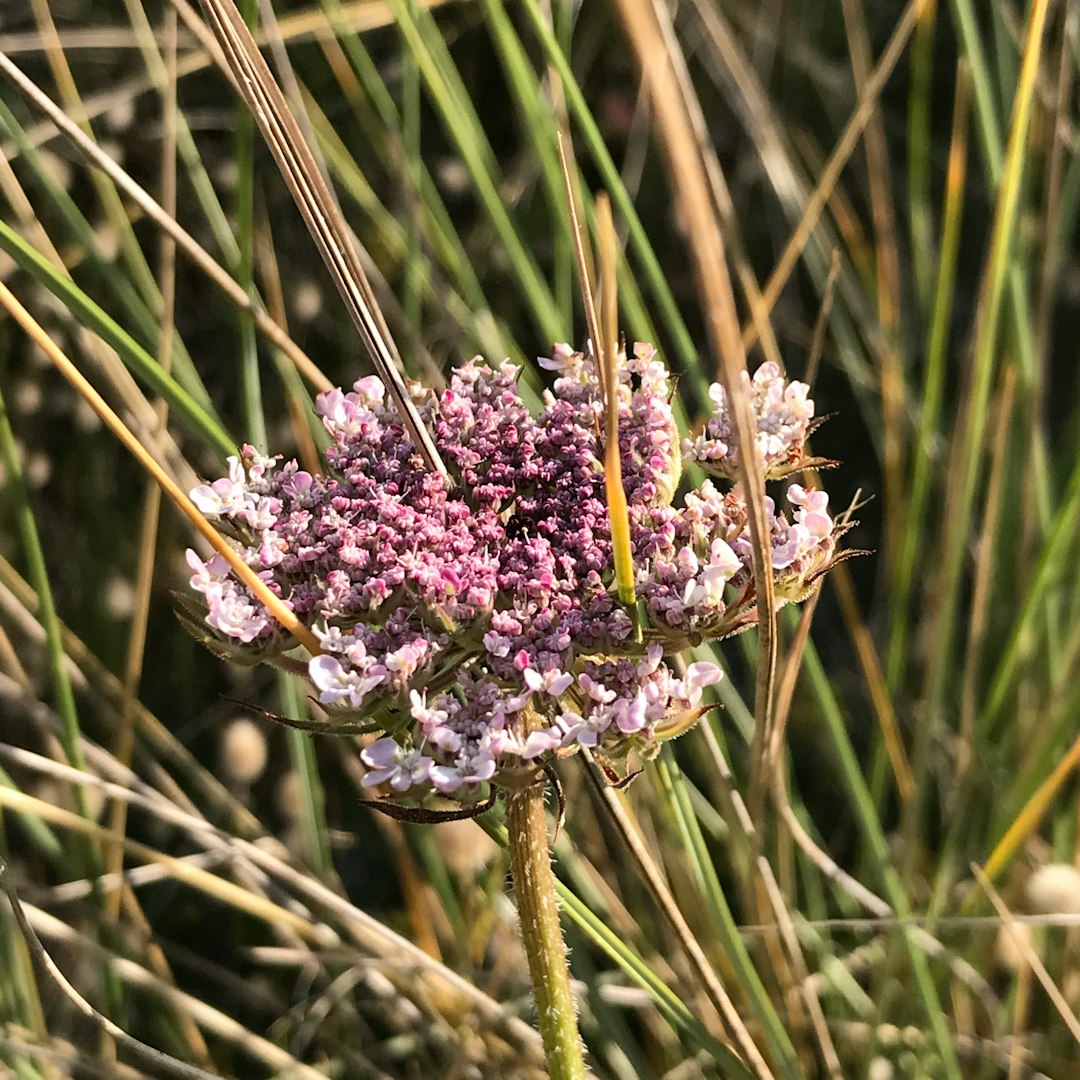
Foamflower (Tiarella cordifolia) is a perennial native wildflower. Hardy in USDA zones 3 to 8.
Sun
Partial shade
Zones
3–8
USDA hardiness
Height
5-12 inches
Planting Timeline
Showing dates for Foamflower in USDA Zone 7
All Zone 7 native-wildflower →Zone Map
Click a state to update dates
Foamflower · Zones 3–8
Growing Details
Complete Growing Guide
Light: Dappled Sunlight (Shade through upper canopy all day), Deep shade (Less than 2 hours to no direct sunlight), Partial Shade (Direct sunlight only part of the day, 2-6 hours). Soil: High Organic Matter. Drainage: Good Drainage, Moist. Height: 0 ft. 5 in. - 1 ft. 0 in.. Spread: 1 ft. 0 in. - 1 ft. 6 in.. Spacing: 12 inches-3 feet. Growth rate: Slow. Maintenance: Low. Propagation: Division, Seed. Regions: Coastal, Mountains, Piedmont.
Harvesting
Fruits are available May-June
Harvest time: Spring
Storage & Preservation
Foamflower is an ornamental perennial wildflower, not a culinary or storage-oriented plant. Fresh cut flowers should be placed in cool water immediately and kept in a cool location (60-65°F) away from direct heat and ripening fruit, lasting 7-10 days in a vase. For preservation, press flowers between heavy books or acid-free paper for 2-3 weeks to create dried botanical specimens ideal for crafts and arrangements. Alternatively, air-dry flower stems in bundles hung upside-down in a dark, well-ventilated space for 1-2 weeks. Seed pods can be collected and dried for future propagation when fully mature and brown.
History & Origin
Origin: Nova Scotia, Appalachian Mountains to Alabama West to Minnesota
Advantages
- +Delicate white flower spikes bloom in spring and early summer reliably
- +Heart-shaped foliage provides attractive ground cover even after flowering ends
- +Thrives in shade where many wildflowers struggle to establish well
- +Low maintenance once established with minimal fertilizer or special care needed
- +Cold hardy through zone 3 winters without protection or extra mulch
Considerations
- -Spreads slowly, taking several years to fill in larger garden spaces
- -Prefers consistently moist soil and struggles during prolonged dry periods
- -Susceptible to powdery mildew in humid conditions with poor air circulation
- -Limited color range with only white flowers; lacks variety for diverse palettes
Companion Plants
Wild Ginger (Asarum canadense) and ferns pair well here because they want the same things: shade, consistent moisture, and soil that leans acidic — you're not managing competing conditions in one bed. Coral Bells (Heuchera) and Astilbe add vertical interest without muscling out the low foliage, and their roots occupy a different depth than Tiarella's shallow rhizomes. Keep mint out entirely — it spreads by stolon so aggressively that a clump planted 18 inches away in spring can be sitting on top of your Tiarella by August. Black walnut is a harder boundary: the juglone it exudes through its root zone suppresses many woodland perennials, and Tiarella shows sensitivity even at the edges of that zone.
Plant Together
Wild Ginger
Similar shade and moisture requirements, complementary groundcover growth habits
Coral Bells
Compatible growing conditions, attractive foliage contrast, both thrive in partial shade
Astilbe
Shares preference for moist, well-drained soil and partial shade conditions
Hosta
Creates attractive texture contrast while sharing similar shade and moisture needs
Ferns
Natural woodland companions with compatible light and water requirements
Wild Columbine
Native woodland companion that attracts beneficial pollinators
Lungwort
Similar blooming time and shade tolerance, provides complementary flower colors
Bleeding Heart
Thrives in same moist, shaded conditions and provides vertical interest
Keep Apart
Black Walnut
Produces juglone toxin that inhibits growth of many understory plants
Mint
Aggressive spreading nature can overwhelm delicate foamflower colonies
Dry Climate Sedums
Opposite water and soil requirements can stress foamflower
Troubleshooting Foamflower
What you'll see, why it happens, and what to do about it.
Leaves developing powdery white coating, usually mid-summer when air circulation is poor
Likely Causes
- Powdery mildew (Erysiphe or Golovinomyces spp.) — favored by warm days, cool nights, and stagnant air
- Planting too close together, under 12 inches apart
What to Do
- 1.Cut back the worst-affected foliage at the base and discard it — don't compost it
- 2.Thin surrounding plants to open up airflow
- 3.Apply a diluted neem oil spray (2 tsp per gallon) every 7 days until symptoms stop spreading
Leaves scorching or bleaching to a washed-out tan, especially on the outer edges, in summer
Likely Causes
- Too much direct sun — Tiarella cordifolia is a woodland plant that struggles past 4-6 hours of direct exposure
- Soil drying out between waterings in an already-bright spot
What to Do
- 1.Move or transplant to a spot with dappled shade or afternoon cover — morning sun is tolerable, afternoon sun is not
- 2.Mulch 2-3 inches deep with shredded leaves to hold soil moisture longer
- 3.Water deeply twice a week during dry stretches rather than light daily sprinkles
Crown rotting at soil level, plant wilting despite moist soil, outer leaves collapsing
Likely Causes
- Crown rot caused by Phytophthora or Rhizoctonia spp. — almost always triggered by waterlogged or poorly drained soil
- Planting too deep, burying the crown below the soil line
What to Do
- 1.Dig the plant and inspect the crown — if it's soft and brown, the plant is likely a loss; remove it and don't replant Tiarella in that spot this season
- 2.Amend the bed with coarse compost or pea gravel to improve drainage before replanting
- 3.Set transplants so the crown sits at or just above the soil surface, not below it
Irregular holes chewed in leaves overnight, with silvery slime trails nearby
Likely Causes
- Slugs (Deroceras reticulatum or similar) — extremely common on shade-grown groundcovers in moist conditions
- Snails, which behave identically and leave the same trails
What to Do
- 1.Scatter iron phosphate bait (Sluggo or equivalent) around the crowns at dusk — safe around pets and birds
- 2.Pull mulch back from the immediate crown area to remove slug hiding spots during the day
- 3.Set a shallow dish of beer near affected plants overnight; dump and refill every couple of days
Frequently Asked Questions
Is Foamflower a good choice for beginner gardeners?▼
Can Foamflower be grown in containers?▼
When should I plant Foamflower?▼
How long does Foamflower take to bloom after planting?▼
What kind of soil does Foamflower prefer?▼
Zone-by-Zone Planting Calendar
Growing Guides from Wind River Greens
Sources & References
External authority sources used in compiling this guide.
- ExtensionNC State Extension
See the Methodology page for how this data is sourced, what's AI-assisted, and known limitations.