Sugar Ann
Pisum sativum
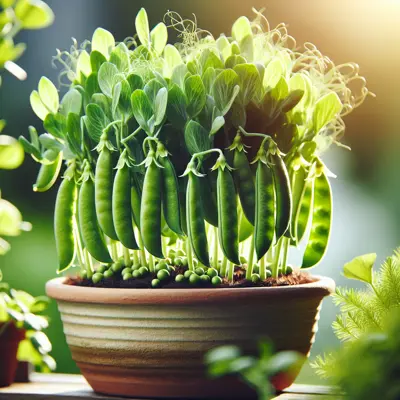
Consistently the sweetest bush type in our trials, Sugar Ann produces uniform crops of delicious 2-2 1/2" long peas that hold their flavor well. Matures exceptionally early, with a concentrated set on 20" dwarf vines with 1-2 pods per node. AAS Winner.
Harvest
51d
Days to harvest
Sun
Full sun to partial shade
Zones
2–11
USDA hardiness
Height
12-18 inches
Planting Timeline
Showing dates for Sugar Ann in USDA Zone 7
All Zone 7 pea →Zone Map
Click a state to update dates
Sugar Ann · Zones 2–11
Growing Details
Succession Planting
Sugar Ann finishes in 51 days and quits once daytime highs push past 80°F, so the planting window is tighter than it looks. Direct sow your first round as soon as soil temps hit 45°F — in zone 7 that's typically early to mid-March. A second sowing 14-21 days later spreads the harvest by a couple of weeks. Don't push a third spring sowing past April 15 in zone 7; anything going in the ground after that is racing the heat and likely to stall before pods fill out.
For a fall run, count back 51 days from your first expected frost (late October in zone 7) and direct sow around early to mid-September. Soil above 85°F kills germination outright, so wait for that late-summer cooldown even if the calendar says you're behind — seed sitting in hot ground just rots.
Complete Growing Guide
Start Sugar Ann peas by preparing your garden bed in early spring when soil can be worked but is still cool. Work compost or aged manure into the soil to a depth of 6-8 inches, ensuring good drainage since peas hate waterlogged conditions. If your soil is heavy clay, consider raised beds or add coarse sand to improve drainage.
Direct sow seeds 2-4 weeks before your last frost date when soil temperature reaches 45°F. Plant seeds 1-2 inches deep and 2 inches apart in rows spaced 6 inches apart. In zones 3-5, wait until mid-March to early April. Zones 6-8 can plant as early as February. Soak seeds overnight before planting to speed germination, but skip this step if soil is very wet.
Unlike taller pea varieties, Sugar Ann's dwarf 18-24 inch height means you can skip trellising, but providing light support with short stakes or a small fence will keep pods off the ground and make harvesting easier. Install supports at planting time to avoid disturbing roots later.
Fertilize lightly at planting with a balanced organic fertilizer (10-10-10), then avoid nitrogen-heavy feeds since peas fix their own nitrogen. Side-dress with compost or bone meal when flowers appear to boost pod production. Overfeeding with nitrogen will give you lush foliage but fewer pods.
Water consistently but moderately—about 1 inch per week. Mulch around plants once they're 4 inches tall to retain moisture and suppress weeds. Avoid overhead watering which can promote fungal diseases.
Common mistakes include planting too late in spring (heat stops pod production), overcrowding (leads to poor air circulation and disease), and harvesting too late (pods become tough and starchy). For continuous harvest, make succession plantings every 2 weeks until 8 weeks before hot weather arrives. In fall, plant 10-12 weeks before hard frost for a second crop.
Harvesting
Begin checking Sugar Ann pods 50-55 days after planting when they're bright green and about 2-3 inches long. The pods should feel firm and plump but not bulging—you want to catch them before the peas inside become prominent bumps. Test readiness by gently bending a pod; it should snap crisply rather than bend limply.
Harvest in early morning when pods are crisp and full of moisture. Hold the vine with one hand and gently twist pods upward and away from the stem with the other—never pull straight down as this can damage the plant and reduce future yields. Sugar Ann pods should come away easily when ready.
Pick every 2-3 days once harvest begins to encourage continued production. Even if you don't need all the pods, keep harvesting to prevent the plant from going to seed. Look for pods that are glossy and bright green—avoid any that appear dull, yellowed, or have visible pea outlines bulging through the pod wall, as these will be tough and starchy.
Storage & Preservation
Fresh Sugar Ann pods maintain peak quality for 3-5 days when stored in perforated plastic bags in the refrigerator at 32-35°F with high humidity. Don't wash before storing as moisture promotes decay.
For longer storage, blanch whole pods in boiling water for 2 minutes, plunge into ice water, drain thoroughly, and freeze in airtight containers for up to 8 months. Sugar Ann's stringless pods are perfect for freezing whole—no trimming needed.
Dehydrating works well too: blanch briefly, pat dry, and dehydrate at 125°F for 8-12 hours until crisp. Store dried pods in airtight jars for adding to soups and stews. Avoid canning Sugar Ann pods as the heat processing makes them mushy and destroys their signature crisp texture that makes this variety special.
History & Origin
Sugar Ann was developed by Dr. Calvin Lamborn at Twin Falls, Idaho in the 1970s as part of his groundbreaking work creating edible-pod peas. Lamborn, often called the "father of the sugar snap pea," was working to combine the best traits of snow peas and shelling peas when he created this compact variety.
Released commercially in 1984, Sugar Ann won the All-America Selections award that same year, marking a revolution in home garden pea growing. Before Sugar Ann, gardeners wanting fresh snap peas had to dedicate significant space to tall, climbing varieties that required substantial trellising.
Lamborn's breeding program focused on creating a dwarf variety that maintained the exceptional sweetness and crispness of full-sized sugar snaps while fitting into small gardens and containers. Sugar Ann became the first truly successful compact snap pea, opening up this crop to apartment dwellers, elderly gardeners, and anyone with limited space or mobility issues. The variety represents a milestone in making high-quality vegetables accessible to more gardeners.
Advantages
- +Requires no trellising or staking unlike traditional pea varieties
- +Delivers full-sized flavor and sweetness in just 18-24 inches of height
- +Excellent cold tolerance allows very early spring planting
- +Stringless pods need no prep work before eating or cooking
- +Heavy yields for such a compact plant—often 50+ pods per plant
- +Built-in resistance to powdery mildew and fusarium wilt
- +Perfect container variety for patios and small spaces
Considerations
- -Shorter harvest window compared to indeterminate climbing varieties
- -Stops producing quickly once hot weather arrives
- -Lower total yield per square foot than tall varieties with extended harvest
- -Can be prone to aphid infestations due to compact growth habit
Companion Plants
Carrots and radishes are the most practical companions for Sugar Ann. Carrots don't compete with peas because peas fix their own nitrogen via Rhizobium bacteria in shallow root nodules, while carrots pull water and nutrients from deeper in the profile — two plants sharing a bed without much friction. Radishes are even more useful: their 25-30 day cycle means you harvest them before peas need the full row space, and their volatile compounds create enough pest confusion to take some pressure off aphids and thrips early in the season. Lettuce and spinach fill gaps between rows without shading plants that only reach 12-18 inches, and both prefer the same cool-season window Sugar Ann does.
Skip garlic and onions. Alliums produce sulfur-based root exudates that inhibit the Rhizobium bacteria peas depend on for nitrogen fixation — you'd be undermining one of the main reasons to grow a legume in the first place. Gladiolus shares several fungal disease vectors with peas and brings nothing to the bed in return.
Plant Together
Carrots
Peas improve soil nitrogen for carrots, while carrots help break up soil for pea roots
Radishes
Quick-growing radishes help break up soil and can be harvested before peas need the space
Lettuce
Cool-season crop that grows well in pea shade and benefits from nitrogen fixed by peas
Cilantro
Attracts beneficial insects like parasitic wasps that control pea pests
Spinach
Shares similar growing conditions and benefits from nitrogen fixation by pea roots
Chives
Repels aphids and other pests that commonly attack pea plants
Marigolds
Attract beneficial insects and help deter harmful nematodes in the soil
Mint
Deters ants and aphids, though should be contained to prevent spreading
Keep Apart
Garlic
Allelopathic compounds can stunt pea growth and interfere with beneficial root bacteria
Gladiolus
Competes heavily for nutrients and can harbor thrips that damage pea pods
Onions
Can inhibit pea growth and nitrogen fixation through root secretions
Nutrition Facts
Per 100g serving. % Daily Value based on 2,000 calorie diet. Source: USDA FoodData Central (FDC #170419)
Pests & Disease Resistance
Resistance
Good resistance to powdery mildew and fusarium wilt
Common Pests
Aphids, pea weevil, cutworms, thrips
Diseases
Powdery mildew, root rot, bacterial blight, downy mildew
Troubleshooting Sugar Ann
What you'll see, why it happens, and what to do about it.
White powdery coating on leaves and stems, usually appearing after plants hit about 45-50 days old or when warm days follow cool nights
Likely Causes
- Powdery mildew (Erysiphe pisi) — a fungal disease that spreads by airborne spores and thrives in dry conditions with high humidity
- Crowded planting at less than 2-inch spacing that traps stale air around the canopy
What to Do
- 1.Strip and trash (don't compost) the worst-affected leaves immediately
- 2.Thin plants to at least 2-4 inches apart if you haven't already — on a 12-18 inch bush pea, airflow does more work than most people expect
- 3.Apply a potassium bicarbonate spray every 7 days; catch it early or it'll run the whole row before the 51-day harvest window closes
Plants wilting and yellowing at the base, stems turning brown or water-soaked just at or below the soil line
Likely Causes
- Root rot (Aphanomyces euteiches or Pythium spp.) — both are favored by waterlogged, poorly drained soil
- Planting into a bed that stayed saturated through winter before soil temps stabilized above 40°F
What to Do
- 1.Pull and discard affected plants — they won't recover once the crown is gone
- 2.Before the next planting, work compost into the top 8 inches to break up compaction, or raise the bed 4-6 inches
- 3.Rotate peas out of that bed for at least 3 years; Aphanomyces oospores persist in soil well past one season
Curled new growth with sticky residue on leaves; soft-bodied insects clustered on stem tips and leaf undersides
Likely Causes
- Pea aphid (Acyrthosiphon pisum) — populations build fast in cool spring weather, exactly the conditions Sugar Ann needs to thrive
- Early-season absence of ladybeetles and parasitic wasps before beneficials establish
What to Do
- 1.Knock aphids off with a firm spray of water in the morning so foliage dries before evening
- 2.If the infestation is heavy, apply insecticidal soap directly to colonies; repeat every 4-5 days for two weeks
- 3.Let chives or marigolds stay near the bed edge — both draw in predatory insects once populations build
Frequently Asked Questions
How long does Sugar Ann pea take to grow?▼
Can you grow Sugar Ann peas in containers?▼
Do Sugar Ann peas need support or trellising?▼
What does Sugar Ann pea taste like?▼
When should I plant Sugar Ann peas?▼
Is Sugar Ann good for beginner gardeners?▼
Zone-by-Zone Planting Calendar
| Zone | Indoor Start | Transplant | Direct Sow | Harvest |
|---|---|---|---|---|
| Zone 3 | — | — | May – June | June – October |
| Zone 4 | — | — | April – June | June – October |
| Zone 5 | — | — | April – May | June – November |
| Zone 6 | — | — | April – May | May – November |
| Zone 7 | — | — | March – May | May – November |
| Zone 8 | — | — | March – April | April – December |
| Zone 9 | — | — | February – March | March – December |
| Zone 10 | — | — | January – March | March – December |
| Zone 1 | — | — | June – July | July – September |
| Zone 2 | — | — | May – July | July – September |
| Zone 11 | — | — | January – February | February – December |
| Zone 12 | — | — | January – February | February – December |
| Zone 13 | — | — | January – February | February – December |
Growing Guides from Wind River Greens
Sources & References
External authority sources used in compiling this guide.
- BreederJohnny's Selected Seeds
- USDAUSDA FoodData Central
See the Methodology page for how this data is sourced, what's AI-assisted, and known limitations.