Vinca Madagascar Mix
Catharanthus roseus 'Madagascar Mix'
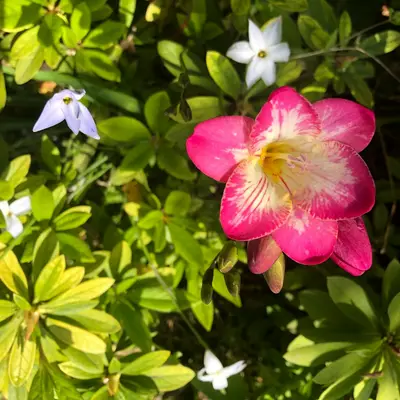
These heat-loving beauties thrive in scorching summer conditions where other flowers fail, producing a continuous display of five-petaled blooms in pink, white, and rose with contrasting eyes. Also known as Madagascar periwinkle, they're incredibly drought-tolerant once established and maintain their neat, compact habit without deadheading. Perfect for hot, sunny spots and low-maintenance gardens.
Sun
Full sun to partial shade
Zones
10–11
USDA hardiness
Height
6-18 inches
Planting Timeline
Showing dates for Vinca Madagascar Mix in USDA Zone 7
All Zone 7 flower →Zone Map
Click a state to update dates
Vinca Madagascar Mix · Zones 10–11
Growing Details
Complete Growing Guide
Light: Dappled Sunlight (Shade through upper canopy all day), Full sun (6 or more hours of direct sunlight a day), Partial Shade (Direct sunlight only part of the day, 2-6 hours). Soil: Clay, High Organic Matter, Loam (Silt), Sand. Soil pH: Acid (<6.0). Drainage: Good Drainage, Moist. Height: 0 ft. 6 in. - 1 ft. 6 in.. Spread: 0 ft. 8 in. - 1 ft. 0 in.. Spacing: Less than 12 inches. Growth rate: Rapid. Maintenance: Low. Propagation: Seed. Regions: Coastal, Mountains, Piedmont.
Harvesting
fruits long, slender, often paired. Elongate follicles within one persisting calyx.
Type: Follicle.
History & Origin
Origin: Madagascar
Advantages
- +Attracts: Butterflies, Pollinators
- +Fast-growing
- +Low maintenance
Considerations
- -Toxic (Flowers, Fruits, Leaves, Roots, Seeds, Stems): Low severity
Companion Plants
Marigolds and zinnias are the most useful neighbors for vinca — both draw in predatory wasps and hoverflies that keep aphid pressure manageable, and all three share the same full-sun, low-to-moderate water preferences without wrestling for root space at 8-12 inch spacings. Dusty miller fits well at the border: its silvery foliage reflects heat back up and it runs shallow enough not to crowd vinca out. Skip impatiens entirely — they need consistently moist, shadier soil, which is exactly the setup that tips vinca toward Phytophthora crown rot. And anything planted within 50 feet of a black walnut is fighting juglone toxicity; that's a siting problem, not something you can amend your way out of.
Plant Together
Marigolds
Repel nematodes and aphids while attracting beneficial insects
Petunias
Repel aphids, tomato hornworms, and other pests naturally
Nasturtiums
Act as trap crops for aphids and cucumber beetles
Sweet Alyssum
Attracts beneficial insects like lacewings and parasitic wasps
Dusty Miller
Provides contrasting foliage texture and color without competing for nutrients
Begonias
Share similar growing conditions and complement flowering periods
Coleus
Provides shade tolerance and colorful foliage contrast in mixed plantings
Zinnia
Attracts pollinators and beneficial predatory insects
Keep Apart
Impatiens
Competes for water and nutrients, may harbor similar fungal diseases
Black Walnut Trees
Produce juglone toxin which inhibits growth of many flowering plants
Eucalyptus
Releases allelopathic compounds that suppress growth of nearby plants
Pests & Disease Resistance
Resistance
Excellent disease resistance in proper conditions
Common Pests
Spider mites in dry conditions, aphids
Diseases
Root rot in wet soils, leaf spot in humid conditions
Troubleshooting Vinca Madagascar Mix
What you'll see, why it happens, and what to do about it.
Leaves stippled silver or bronze, with fine webbing on leaf undersides — usually in midsummer heat
Likely Causes
- Spider mites (Tetranychus urticae) — thrive when temps push above 85°F and humidity drops
- Dusty, dry conditions that stress the plant and make it easier prey
What to Do
- 1.Blast the undersides of leaves with a strong stream of water every 2-3 days to knock mite populations down
- 2.Apply insecticidal soap or neem oil at dusk — full coverage on leaf undersides is required, not just a light mist
- 3.Water the root zone consistently; a stressed, dry plant draws mites far more reliably than a well-watered one
Stems turning brown and mushy at the soil line, plant wilting even when soil is wet
Likely Causes
- Phytophthora or Pythium root rot — both thrive in waterlogged soil with poor drainage
- Planting in heavy clay or a low spot that holds water after rain
What to Do
- 1.Pull the affected plant — it won't recover once the crown is rotted, and leaving it risks spreading to neighbors
- 2.Amend beds with perlite or coarse compost before replanting; vinca needs soil that drains within an hour of heavy rain
- 3.Water at the base only, and skip irrigation for 5-7 days after any significant rainfall
Dark brown or tan spots on leaves, sometimes with a yellow halo, appearing during stretches of wet or humid weather
Likely Causes
- Alternaria leaf spot (Alternaria catharanti) — a fungal disease that spreads through water splash
- Overhead irrigation or crowded planting that keeps foliage wet for extended periods
What to Do
- 1.Remove and trash (don't compost) all spotted leaves as soon as you see them
- 2.Switch to drip irrigation or water at the base in the morning so foliage dries before nightfall
- 3.Space plants at least 10-12 inches apart — moving air through the canopy does more preventive work than any fungicide spray
Frequently Asked Questions
How long does Vinca Madagascar Mix take to bloom from seed?▼
Can you grow Vinca Madagascar Mix in containers?▼
Is Vinca Madagascar Mix poisonous to dogs and cats?▼
When should I plant Vinca Madagascar Mix outdoors?▼
Why are my Vinca Madagascar Mix leaves turning yellow?▼
Do I need to deadhead Vinca Madagascar Mix flowers?▼
Zone-by-Zone Planting Calendar
| Zone | Indoor Start | Transplant | Direct Sow | Harvest |
|---|---|---|---|---|
| Zone 1 | May – June | July – August | July – September | — |
| Zone 2 | April – May | June – July | June – August | — |
| Zone 11 | January – January | January – February | January – March | — |
| Zone 12 | January – January | January – February | January – March | — |
| Zone 13 | January – January | January – February | January – March | — |
| Zone 3 | April – May | June – July | June – August | — |
| Zone 4 | March – April | June – June | June – July | — |
| Zone 5 | March – April | May – June | May – July | — |
| Zone 6 | March – April | May – June | May – July | — |
| Zone 7 | February – March | April – May | April – June | — |
| Zone 8 | February – March | April – May | April – June | — |
| Zone 9 | January – February | March – April | March – May | — |
| Zone 10 | January – January | February – March | February – April | — |
Growing Guides from Wind River Greens
Sources & References
External authority sources used in compiling this guide.
- ExtensionNC State Extension
See the Methodology page for how this data is sourced, what's AI-assisted, and known limitations.