Double Zahara™ Fire
Zinnia marylandica
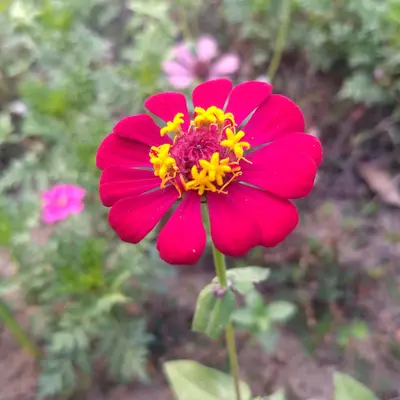
An easy-to-grow choice for cheerful color in the garden or pots. Highly uniform plants with a low-growing, mounding habit that flower continuously, providing weeks of color. Abundant, fiery, deep orange-red, fully double blooms average 1 1/2-2 1/2" wide. Zahara dwarf zinnias were bred for powdery mildew resistance and long-lasting color for landscapes and garden beds. AAS Winner.
Harvest
75-85d
Days to harvest
Sun
Full sun to partial shade
Zones
11–12
USDA hardiness
Height
12-24 inches
Planting Timeline
Showing dates for Double Zahara™ Fire in USDA Zone 7
All Zone 7 flower →Zone Map
Click a state to update dates
Double Zahara™ Fire · Zones 11–12
Growing Details
Succession Planting
Double Zahara Fire blooms continuously once it starts, so you don't need to stagger sowings the way you would with lettuce or radishes. A second direct sow in late May gives you a fresh flush of compact growth for late-summer cutting when your first planting starts to get leggy. Stop sowing by mid-June in zone 7 — plants need enough warm weeks to clear their 75-85 day window before the first frost, which typically lands in mid-to-late October around here.
Complete Growing Guide
An easy-to-grow choice for cheerful color in the garden or pots. Highly uniform plants with a low-growing, mounding habit that flower continuously, providing weeks of color. Abundant, fiery, deep orange-red, fully double blooms average 1 1/2-2 1/2" wide. Zahara dwarf zinnias were bred for powdery mildew resistance and long-lasting color for landscapes and garden beds. AAS Winner. According to Johnny's Selected Seeds, Double Zahara™ Fire is 75 - 85 days to maturity, annual, open pollinated. Notable features: Easy Choice, Grows Well in Containers, Attracts Beneficial Insects, AAS (All-America Selections) Winners.
Light: Full sun (6 or more hours of direct sunlight a day), Partial Shade (Direct sunlight only part of the day, 2-6 hours). Soil: Clay, High Organic Matter, Loam (Silt), Sand. Soil pH: Acid (<6.0), Alkaline (>8.0), Neutral (6.0-8.0). Drainage: Good Drainage, Moist. Height: 1 ft. 0 in. - 2 ft. 0 in.. Spread: 0 ft. 6 in. - 1 ft. 0 in.. Spacing: 12 inches-3 feet. Growth rate: Medium. Maintenance: Low. Propagation: Seed. Regions: Coastal, Mountains, Piedmont.
Harvesting
Double Zahara™ Fire reaches harvest at 75 - 85 days from sowing per Johnny's Selected Seeds. Expect 1 1/2-2 1/2" at peak. As an annual, harvest continues until frost ends the season.
Type: Achene.
Storage & Preservation
Double Zahara® Fire zinnias are ornamental cut flowers best kept in a cool location away from direct sunlight. Store cut stems in a vase with fresh, cool water (65-75°F) and change water every 2-3 days for optimal longevity (7-10 days). For fresh display, keep in moderate humidity and avoid ethylene-producing fruits. Preservation methods: air-dry by hanging stems upside-down in a warm, dark, well-ventilated space for dried arrangements; press individual petals between parchment paper for botanical crafts; or preserve in silica gel for 3-5 days to maintain shape and color for decorative use.
History & Origin
Double Zahara™ Fire is open-pollinated, meaning seed saved from healthy plants will produce true-to-type offspring. Listed in the Johnny's Selected Seeds catalog.
Origin: Mexico, southwestern USA
Advantages
- +Fiery orange-red double blooms provide striking, continuous color all season long.
- +Compact mounding habit makes it perfect for containers, borders, and small spaces.
- +Bred specifically for powdery mildew resistance, reducing fungal disease management needs.
- +AAS Winner status confirms superior performance and reliability in diverse growing conditions.
- +Low-growing uniform plants require minimal deadheading for weeks of reliable flowering.
Considerations
- -Fully double blooms may be less attractive to pollinators than single varieties.
- -Deep orange-red color can fade in intense afternoon heat and full sun exposure.
- -Requires consistently moist but well-draining soil; poor drainage causes root rot issues.
- -Dwarf size limits use in large landscape designs requiring taller accent plants.
Companion Plants
Marigolds are the most practical neighbor here — they deter thrips and whiteflies that occasionally land on zinnia blooms, and both plants want the same full-sun, well-drained bed, so there's no resource competition. Cosmos are a natural pairing too: they draw parasitic wasps that keep caterpillar pressure down, and at 4+ feet they won't shade out the Double Zahara's 12-24 inch frame. Skip fennel entirely — its root exudates are allelopathic and will stunt nearby annuals. Black walnut is the harder constraint: juglone moves through the soil far enough that a walnut 30 feet away can still cause trouble, so in our zone 7 Georgia gardens, site your zinnia beds accordingly.
Plant Together
Marigolds
Repel nematodes and aphids while attracting beneficial insects
Basil
Deters aphids, whiteflies, and thrips that commonly affect zinnias
Nasturtiums
Act as trap crops for aphids and cucumber beetles, drawing pests away
Cosmos
Attract beneficial insects like lacewings and parasitic wasps for pest control
Petunias
Repel aphids, tomato hornworms, and squash bugs while providing color contrast
Lavender
Deters moths, fleas, and mosquitoes while attracting pollinators
Sunflowers
Provide beneficial habitat for predatory insects and attract pollinators
Celosia
Similar growing requirements and attracts beneficial insects for pest management
Keep Apart
Black Walnut Trees
Release juglone toxin that inhibits growth and can kill zinnias
Fennel
Produces allelopathic compounds that inhibit growth of most flowering annuals
Eucalyptus
Releases allelopathic oils that suppress growth of nearby flowering plants
Dense Shade Plants
Compete for sunlight that zinnias require for optimal flowering and growth
Troubleshooting Double Zahara™ Fire
What you'll see, why it happens, and what to do about it.
White powdery coating on upper leaf surfaces, usually showing up mid-summer when nights cool slightly after a hot stretch
Likely Causes
- Powdery mildew (Erysiphe cichoracearum) — thrives when humidity swings high at night but days stay dry
- Crowded spacing under 12 inches that cuts airflow between plants
What to Do
- 1.Pull any heavily coated leaves and trash them — don't compost
- 2.Spray remaining foliage with a diluted potassium bicarbonate solution (1 tbsp per gallon of water) every 7 days until the flush passes
- 3.Next planting, hold to 15-18 inch spacing and avoid overhead irrigation in the evening
Flower buds forming but failing to open, or petals browning and rotting before they fully unfurl during a wet spell
Likely Causes
- Botrytis blight (Botrytis cinerea) — gray mold that moves fast on spent petals in humid, overcast conditions
- Poor drainage keeping the crown wet for more than 24 hours after rain
What to Do
- 1.Deadhead aggressively — remove any soft, browning buds immediately so there's no tissue for the mold to colonize
- 2.Top-dress around the base with 2 inches of pine straw to improve drainage and reduce splash
- 3.In a severe outbreak, apply a copper-based fungicide at label rates every 10 days to slow spread
Frequently Asked Questions
How long do Double Zahara Fire zinnia flowers last?▼
Is Double Zahara Fire a good choice for beginner gardeners?▼
Can you grow Double Zahara Fire zinnias in containers?▼
When should I plant Double Zahara Fire zinnia seeds?▼
What sunlight do Double Zahara Fire zinnias need?▼
What makes Double Zahara Fire zinnias special compared to other zinnias?▼
Zone-by-Zone Planting Calendar
| Zone | Indoor Start | Transplant | Direct Sow | Harvest |
|---|---|---|---|---|
| Zone 3 | April – May | June – July | June – August | — |
| Zone 4 | March – April | June – June | June – July | — |
| Zone 5 | March – April | May – June | May – July | — |
| Zone 6 | March – April | May – June | May – July | — |
| Zone 7 | February – March | April – May | April – June | — |
| Zone 8 | February – March | April – May | April – June | — |
| Zone 9 | January – February | March – April | March – May | — |
| Zone 10 | January – January | February – March | February – April | — |
| Zone 1 | May – June | July – August | July – September | — |
| Zone 2 | April – May | June – July | June – August | — |
| Zone 11 | January – January | January – February | January – March | — |
| Zone 12 | January – January | January – February | January – March | — |
| Zone 13 | January – January | January – February | January – March | — |
Growing Guides from Wind River Greens
Sources & References
External authority sources used in compiling this guide.
- BreederJohnny's Selected Seeds
See the Methodology page for how this data is sourced, what's AI-assisted, and known limitations.