Giant Yellow
Tagetes erecta
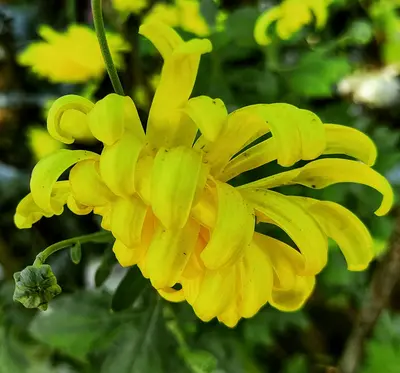
Large flower heads, avg. 3", sit atop sturdy plants. These giant marigolds are prolific producers for cuts as well as excellent garden performers. Sturdy, uniform flower heads are also useful for marigold garlands. Giant Yellow tends to be slightly shorter than Giant Orange. Also known as African marigold, American marigold, and Aztec marigold. Edible Flowers: Use the flowers to dress up salads and desserts or cooked in egg or rice dishes. Flavor is floral with hints of citrus and spice, and slightly bitter. Remove the petals from the flower base before consuming as the base can be quite bitter.
Harvest
70-90d
Days to harvest
Sun
Full sun to partial shade
Zones
2–11
USDA hardiness
Height
1-4 feet
Planting Timeline
Showing dates for Giant Yellow in USDA Zone 7
All Zone 7 flower →Zone Map
Click a state to update dates
Giant Yellow · Zones 2–11
Growing Details
Succession Planting
Giant Yellow marigolds aren't a succession crop — one planting blooms continuously from 70-90 days after transplant until frost. Deadhead spent flowers every 5-7 days and they'll keep producing without a real gap. No need to stagger sowings just to maintain color.
If you want to extend the display window into late fall while the first planting starts looking ragged in August, start a second round indoors 6-8 weeks after your first sowing and transplant out in June. That late planting picks up where the first one fades.
Complete Growing Guide
Large flower heads, avg. 3", sit atop sturdy plants. These giant marigolds are prolific producers for cuts as well as excellent garden performers. Sturdy, uniform flower heads are also useful for marigold garlands. Giant Yellow tends to be slightly shorter than Giant Orange. Also known as African marigold, American marigold, and Aztec marigold. Edible Flowers: Use the flowers to dress up salads and desserts or cooked in egg or rice dishes. Flavor is floral with hints of citrus and spice, and slightly bitter. Remove the petals from the flower base before consuming as the base can be quite bitter. According to Johnny's Selected Seeds, Giant Yellow is 70 - 90 days to maturity, annual, hybrid (f1). Notable features: Easy Choice, Grows Well in Containers, Use for Cut Flowers and Bouquets, Edible Flowers.
Light: Full sun (6 or more hours of direct sunlight a day), Partial Shade (Direct sunlight only part of the day, 2-6 hours). Soil: Clay, High Organic Matter, Loam (Silt), Sand. Soil pH: Acid (<6.0), Alkaline (>8.0), Neutral (6.0-8.0). Drainage: Good Drainage, Occasionally Dry. Height: 1 ft. 0 in. - 4 ft. 0 in.. Spread: 1 ft. 0 in. - 2 ft. 0 in.. Spacing: Less than 12 inches, 12 inches-3 feet. Growth rate: Medium. Maintenance: Low. Propagation: Seed. Regions: Coastal, Mountains, Piedmont.
Harvesting
Giant Yellow reaches harvest at 70 - 90 days from sowing per Johnny's Selected Seeds. Expect 3" at peak. As an annual, harvest continues until frost ends the season.
Color: Black. Type: Achene.
Harvest time: Fall
Edibility: Sap or juice can cause a rash.
Storage & Preservation
Fresh Giant Yellow marigold flowers are best stored in the refrigerator to extend shelf life to 3-5 days. Keep them in a breathable container or vase with water, maintaining humidity between 85-95%. For preservation, air-dry whole flowers upside down in a dark, well-ventilated space for 1-2 weeks to create decorative dried blooms. Alternatively, freeze petals in ice cube trays with water for culinary use lasting 2-3 months. Freeze-dry petals for longer storage (6-12 months) while maintaining color and flavor for tea, infusions, and garnishes.
History & Origin
Giant Yellow is an F1 hybrid developed through controlled cross-pollination. Listed in the Johnny's Selected Seeds catalog.
Origin: Mexico to Guatemala
Advantages
- +Large 3-inch flower heads perfect for cutting and floral arrangements
- +Prolific bloomer produces abundant flowers throughout growing season
- +Sturdy plants with uniform flowers ideal for marigold garlands
- +Edible petals add citrus-spice flavor to salads and dishes
- +Easy to grow variety requiring minimal gardening experience
Considerations
- -Slightly shorter stature than Giant Orange variety limits some uses
- -Flower base is quite bitter and must be removed before eating
- -Susceptible to spider mites and powdery mildew in humid conditions
- -Takes 70-90 days to bloom, longer than some marigold varieties
Companion Plants
Nasturtiums and Sweet Alyssum are the most useful neighbors for Giant Yellow marigolds. Nasturtiums act as a trap crop, pulling aphids onto themselves where you can pinch off infested stems or just let the aphids concentrate there for predators to find. Sweet Alyssum flowers at roughly the same canopy level as the marigold's lower leaves and draws in parasitic wasps and hoverflies — both of which lay eggs on or near aphid and thrips colonies. Cosmos and Zinnias fit well in the same bed not because of any pest dynamic, but because their root systems don't compete aggressively at the 18-24 inch spacing this variety needs, so the whole planting stays manageable.
Black walnut is a problem because it produces juglone through its roots and leaf litter, and Tagetes erecta is sensitive enough to show stunting and early decline — don't put Giant Yellow within reach of any established walnut. Fennel belongs on the far edge of the garden from almost everything; it releases allelopathic compounds that suppress nearby annuals, and marigolds aren't an exception.
Plant Together
Marigolds
Repel aphids, whiteflies, and nematodes while attracting beneficial insects
Nasturtiums
Act as trap crops for aphids and cucumber beetles, while attracting pollinators
Cosmos
Attract beneficial insects like lacewings and parasitic wasps for natural pest control
Zinnias
Attract butterflies and beneficial pollinators, provide complementary colors
Sweet Alyssum
Attracts hover flies and parasitic wasps that control aphids and other pests
Borage
Attracts pollinators and beneficial insects while improving soil through deep taproot
Lavender
Repels ants, moths, and mice while attracting bees and other pollinators
Cleome
Attracts beneficial insects and provides vertical interest without competing for resources
Keep Apart
Black Walnut
Produces juglone toxin that inhibits growth and can cause wilting in sensitive plants
Fennel
Releases allelopathic compounds that inhibit germination and growth of nearby plants
Eucalyptus
Produces allelopathic oils that suppress growth of other plants in surrounding area
Pests & Disease Resistance
Common Pests
Spider mites, aphids, whiteflies, thrips
Diseases
Powdery mildew, root rot, botrytis (gray mold)
Troubleshooting Giant Yellow
What you'll see, why it happens, and what to do about it.
Fine webbing on undersides of leaves, foliage looking pale or stippled, around midsummer when conditions are hot and dry
Likely Causes
- Two-spotted spider mite (Tetranychus urticae) — populations explode in hot, dry weather above 85°F
- Dusty, water-stressed plants that aren't regularly irrigated
What to Do
- 1.Blast the undersides of leaves hard with water every 2-3 days — mites hate moisture and the physical disruption knocks them off
- 2.Apply insecticidal soap or neem oil to leaf undersides at dusk; repeat every 5-7 days for 2-3 applications
- 3.Keep soil consistently moist — stressed plants are far more susceptible
White powdery coating on upper leaf surfaces, usually starting on older leaves in late summer
Likely Causes
- Powdery mildew (Erysiphales family) — common on Tagetes erecta in warm days and cool nights with poor airflow
- Plants spaced too close together, blocking air circulation
What to Do
- 1.Strip and trash the worst-affected leaves — don't compost them
- 2.Thin or stake surrounding plants to open up airflow; the 18-24 inch spacing recommendation exists for exactly this reason
- 3.Spray with a dilute potassium bicarbonate solution or neem oil in the evening to avoid leaf scorch
Frequently Asked Questions
How long does it take Giant Yellow marigolds to bloom from seed?▼
Is Giant Yellow marigold good for beginners?▼
Can you grow Giant Yellow marigolds in containers?▼
What does Giant Yellow marigold taste like?▼
When should I plant Giant Yellow marigold seeds?▼
How often should Giant Yellow marigolds be watered?▼
Zone-by-Zone Planting Calendar
| Zone | Indoor Start | Transplant | Direct Sow | Harvest |
|---|---|---|---|---|
| Zone 1 | May – June | July – August | July – September | — |
| Zone 2 | April – May | June – July | June – August | — |
| Zone 11 | January – January | January – February | January – March | — |
| Zone 12 | January – January | January – February | January – March | — |
| Zone 13 | January – January | January – February | January – March | — |
| Zone 3 | April – May | June – July | June – August | — |
| Zone 4 | March – April | June – June | June – July | — |
| Zone 5 | March – April | May – June | May – July | — |
| Zone 6 | March – April | May – June | May – July | — |
| Zone 7 | February – March | April – May | April – June | — |
| Zone 8 | February – March | April – May | April – June | — |
| Zone 9 | January – February | March – April | March – May | — |
| Zone 10 | January – January | February – March | February – April | — |
Growing Guides from Wind River Greens
Sources & References
External authority sources used in compiling this guide.
- BreederJohnny's Selected Seeds
See the Methodology page for how this data is sourced, what's AI-assisted, and known limitations.