New Guinea Impatiens
Impatiens hawkeri
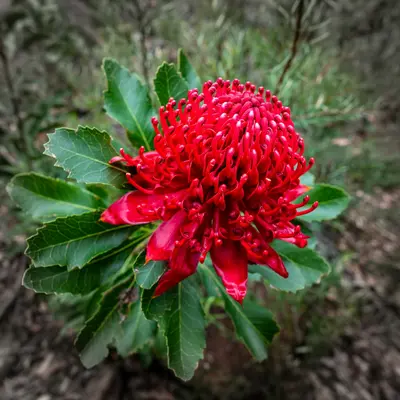
New Guinea Impatiens (Impatiens hawkeri) is a perennial native wildflower. Hardy in USDA zones 10 to 12.
Sun
Full sun to partial shade
Zones
10–12
USDA hardiness
Height
6-24 inches
Planting Timeline
Showing dates for New Guinea Impatiens in USDA Zone 10
All Zone 10 native-wildflower →Zone Map
Click a state to update dates
New Guinea Impatiens · Zones 10–12
Growing Details
Complete Growing Guide
This tropical perennial thrives in warm conditions year-round and cannot tolerate frost, making spring planting essential in zones 10–12 after all danger of cold has passed. Unlike hardier wildflowers, New Guinea Impatiens demands consistently moist (not waterlogged) soil and partial shade to bright indirect light, where it blooms prolifically without the leggy growth that full shade encourages. The cultivar is particularly susceptible to spider mites in hot, dry air and powdery mildew in humid conditions with poor air circulation, so spacing plants adequately and avoiding overhead watering prevents both issues. Pinch back stem tips in early summer to encourage bushier growth and prevent the rangy, stretched appearance common when this variety gets insufficient light. Start seeds indoors 8–10 weeks before your last frost date, or purchase nursery transplants for faster establishment.
Light: Dappled Sunlight (Shade through upper canopy all day), Deep shade (Less than 2 hours to no direct sunlight), Full sun (6 or more hours of direct sunlight a day), Partial Shade (Direct sunlight only part of the day, 2-6 hours). Soil: High Organic Matter, Loam (Silt). Drainage: Good Drainage, Moist. Height: 0 ft. 6 in. - 2 ft. 0 in.. Spread: 1 ft. 6 in. - 3 ft. 0 in.. Spacing: 12 inches-3 feet. Growth rate: Medium. Maintenance: Medium.
Harvesting
Peak harvest readiness for New Guinea Impatiens occurs when flowers display fully saturated color intensity and petals feel firm yet supple to the touch, typically 2-3 days after opening. The blooms should measure at least three-quarters of an inch across before cutting. This cultivar produces flowers continuously throughout warm seasons, supporting repeated harvesting rather than a single-harvest approach; regular deadheading or cutting actually encourages additional blooms. For optimal results, harvest in early morning when stems are fully hydrated and flower longevity is maximized, using clean, sharp scissors to make angled cuts just above leaf nodes to promote branching and sustained flower production.
Fruits are explosive capsules rolling suddenly inward, and have a ribbed, rubbery-succulent texture.
Type: Capsule.
Storage & Preservation
New Guinea Impatiens are ornamental flowering plants, not typically stored for consumption. Cut flowers should be displayed in a cool room (65-72°F) with moderate humidity and changed water every 2-3 days; they last 7-10 days in a vase. For preservation: air-dry flower clusters by hanging them upside down in a cool, dark space for 2-3 weeks to create dried arrangements. Alternatively, press individual flowers between parchment paper weighted with books for 1-2 weeks to preserve them flat for crafts or botanical collections.
History & Origin
Impatiens hawkeri originates from the tropical highlands of New Guinea, where it grows as a native wildflower in mountainous regions. The species was introduced to Western horticulture in the mid-20th century, though specific breeder names and exact dates are poorly documented in readily available sources. The plant gained popularity through commercial seed companies and nurseries that recognized its ornamental potential, particularly its vibrant flowers and compact growth habit. Subsequently, extensive hybridization and selection work by various breeding programs enhanced its colors and vigor, leading to the diverse cultivars available today. However, detailed records of these breeding efforts remain scattered across horticultural archives, making comprehensive attribution difficult.
Origin: Solomon Island, New Guinea, and New Ireland
Advantages
- +Vibrant flowers bloom continuously in shade or partial shade
- +Requires minimal fertilizer and maintenance once established
- +Tolerates humid tropical and subtropical climates exceptionally well
- +Attracts pollinators and adds tropical aesthetic to gardens
Considerations
- -Susceptible to root rot in poorly draining or waterlogged soil
- -Limited to warm zones 10-12, not suitable for cold climates
- -Prone to powdery mildew and spider mites in high humidity
Companion Plants
New Guinea Impatiens do best with neighbors that share their preference for filtered light and steady moisture without fighting over it. Coleus and Caladium are natural fits — both want the same part-shade conditions, carry shallow root systems that don't undercut the Impatiens, and their bold foliage contrasts well with the flowers without crowding them. Torenia and Lobelia work on the planting edges for the same reason: matched water needs, matched light tolerance. Around here in the Southeast, Begonias are the most practical pairing — they handle summer humidity, they won't muscle out smaller plants, and the combination fills a shady 4-foot bed without leaving gaps.
Lavender and Rosemary are the ones to keep at least a few feet away — not because of any chemical antagonism, but because they're drought-adapted Mediterranean plants that actually decline in the rich, reliably moist soil New Guinea Impatiens need. You genuinely cannot water for both at the same time without harming one of them. Marigolds have the same mismatch: full-sun, drier-side growers that either sulk in the shade or push you to underwater your Impatiens to compensate.
Plant Together
Begonia
Similar shade and moisture requirements, creates complementary color combinations
Coleus
Thrives in same partial shade conditions, provides contrasting foliage texture
Caladium
Compatible moisture needs and shade tolerance, offers stunning foliage contrast
Torenia
Similar growing conditions and blooming period, creates layered flower display
Fuchsia
Shares preference for filtered light and consistent moisture, attracts hummingbirds
Browallia
Complementary blue flowers, same shade and water requirements
Lobelia
Similar moisture needs, trailing varieties provide ground cover beneath impatiens
Sweet Alyssum
Attracts beneficial insects that help control pests on impatiens
Keep Apart
Marigold
Requires full sun and drier conditions, can compete for nutrients
Lavender
Prefers dry, well-drained soil and full sun, opposite of impatiens needs
Rosemary
Drought-tolerant herb requiring excellent drainage, incompatible with impatiens moisture needs
Troubleshooting New Guinea Impatiens
What you'll see, why it happens, and what to do about it.
Wilting, water-soaked stem base at soil level — plant collapses even when soil is moist
Likely Causes
- Pythium root rot or Rhizoctonia crown rot — both thrive in waterlogged, poorly drained soil
- Overwatering combined with a container or bed that doesn't drain freely
What to Do
- 1.Pull the affected plant — it won't recover once the crown is gone, and leaving it spreads the pathogen
- 2.Let the bed or container dry down more between waterings; New Guinea Impatiens want consistent moisture, not standing water
- 3.Amend heavy clay beds with coarse perlite or pine bark fines before replanting to improve drainage
Pale, stippled leaves with fine webbing on the undersides, especially during hot dry spells
Likely Causes
- Two-spotted spider mite (Tetranychus urticae) — populations explode when temperatures push above 90°F and humidity drops
- Plants stressed by underwatering, which weakens cell walls and makes them easier to colonize
What to Do
- 1.Blast the undersides of leaves with a firm stream of water from a hose — knocks mites off and they rarely climb back
- 2.Apply insecticidal soap or neem oil to leaf undersides, repeating every 5–7 days for at least 3 applications
- 3.Keep soil consistently moist; a drought-stressed plant draws mites the way standing water draws mosquitoes