Voyage 2 Champagne
Eustoma grandiflorum
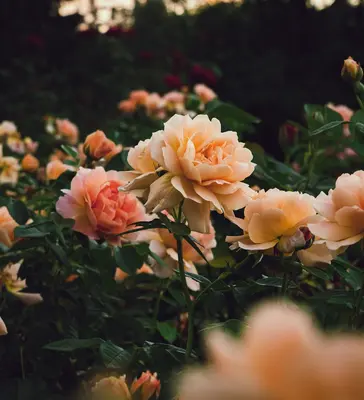
3" fully double blooms in an exquisite shade of ivory to soft apricot are lush with abundant layering and ruffling. Group 2, for early spring to summer harvest. Lisianthus is also known as prairie gentian, Texas bluebell, and showy prairie gentian. Pelleted seeds.
Harvest
140-150d
Days to harvest
Sun
Full sun to partial shade
Zones
8–10
USDA hardiness
Height
1-3 feet
Planting Timeline
Showing dates for Voyage 2 Champagne in USDA Zone 7
All Zone 7 flower →Zone Map
Click a state to update dates
Voyage 2 Champagne · Zones 8–10
Growing Details
Succession Planting
Lisianthus isn't a succession crop — at 140–150 days to harvest, you get one long production window per season and that's it. Start seeds indoors in late February to early March (they're dust-fine and need a heat mat at 75–80°F to germinate reliably in 10–14 days), transplant after last frost in April, and that's your commitment. If you want more flowers without starting over, pinch the main stem after the first flush and you'll get lateral branching — usually 3–5 side shoots that flower 3–4 weeks later.
Complete Growing Guide
3" fully double blooms in an exquisite shade of ivory to soft apricot are lush with abundant layering and ruffling. Group 2, for early spring to summer harvest. Lisianthus is also known as prairie gentian, Texas bluebell, and showy prairie gentian. Pelleted seeds. According to Johnny's Selected Seeds, Voyage 2 Champagne is 140 - 150 days to maturity, annual, hybrid (f1). Notable features: Greenhouse Performer, Use for Cut Flowers and Bouquets.
Light: Full sun (6 or more hours of direct sunlight a day), Partial Shade (Direct sunlight only part of the day, 2-6 hours). Soil: Loam (Silt), Sand. Drainage: Good Drainage, Moist. Height: 1 ft. 0 in. - 3 ft. 0 in.. Spread: 0 ft. 9 in. - 1 ft. 0 in.. Maintenance: High. Propagation: Seed.
Harvesting
Voyage 2 Champagne reaches harvest at 140 - 150 days from sowing per Johnny's Selected Seeds. Expect 3" at peak. As an annual, harvest continues until frost ends the season.
This is an ornamental variety — not grown for harvest. Enjoy in the garden landscape.
Storage & Preservation
Fresh-cut Voyage 2 Champagne stems last 10-14 days in a clean vase with commercial flower food and cool room conditions (65-70°F). Remove lower foliage, recut stems every 2-3 days, and change water daily for optimal longevity. For preservation, air-dry stems by hanging them upside-down in a dark, well-ventilated space for 2-3 weeks; the double blooms retain their structure and color beautifully and can be used in dried arrangements for 6+ months. Alternatively, press individual blooms between parchment paper under heavy books for 3-4 weeks to create decorative elements for cards or botanical art. Silica gel drying preserves color most vibrantly but may compact delicate ruffled petals—use only if you're experienced with this method.
History & Origin
Voyage 2 Champagne is an F1 hybrid developed through controlled cross-pollination. Listed in the Johnny's Selected Seeds catalog.
Origin: Nebraska south to Texas.
Advantages
- +Stunning ivory-apricot double blooms with abundant ruffling create premium-looking cut flowers
- +Pelleted seeds simplify sowing and improve germination success for home gardeners
- +Group 2 timing enables early spring through summer harvests across seasons
- +140-150 day timeline is reasonable for quality double lisianthus production
- +Easy difficulty rating makes this variety accessible to novice flower growers
Considerations
- -Lisianthus requires consistently moist but well-draining soil or risks root rot
- -Botrytis and powdery mildew pressure requires vigilant humidity and air circulation management
- -Extended 140-150 day grow period ties up greenhouse space longer than alternatives
Companion Plants
Marigolds (specifically French marigolds, Tagetes patula) are the most useful companion here — their root secretions suppress soil nematodes, which lisianthus doesn't need competing for nutrients during that long 140-day run to bloom. Sweet alyssum draws in parasitic wasps that target the whiteflies and thrips NC State Extension flags as the main insect pressure on this crop, so a low border 6–8 inches out earns its real estate. In our zone 7 Georgia gardens, catmint tends to outlast lavender through summer heat and keeps pulling in pollinators when lisianthus is at peak. Sunflowers stay out — they produce allelopathic compounds that suppress neighboring plants, and lisianthus is sensitive enough that you'll see it in stunted stems before you figure out the cause.
Plant Together
Marigolds
Repel aphids, whiteflies, and nematodes while attracting beneficial insects
Sweet Alyssum
Attracts beneficial insects like lacewings and hoverflies that prey on pests
Lavender
Repels moths, fleas, and mosquitoes while attracting pollinators
Nasturtiums
Act as trap crops for aphids and cucumber beetles, drawing pests away
Catmint
Deters ants, aphids, and rodents while attracting beneficial pollinators
Zinnia
Attracts butterflies and beneficial insects while providing color contrast
Cosmos
Attracts beneficial insects and provides structural support without competition
Chives
Repel aphids and other soft-bodied insects with their sulfur compounds
Keep Apart
Black Walnut
Produces juglone toxin that inhibits growth and can kill sensitive plants
Eucalyptus
Releases allelopathic compounds that suppress growth of nearby plants
Sunflowers
Compete heavily for nutrients and water, may release growth-inhibiting chemicals
Pests & Disease Resistance
Common Pests
Spider mites, thrips, whiteflies
Diseases
Botrytis (gray mold), Fusarium wilt, root rot in poorly drained soil
Troubleshooting Voyage 2 Champagne
What you'll see, why it happens, and what to do about it.
Flower buds browning and collapsing before opening, with fuzzy gray fuzz visible on stems or petals during humid stretches
Likely Causes
- Botrytis cinerea (gray mold) — thrives when humidity stays above 85% and airflow is poor
- Overhead watering that leaves foliage and buds wet overnight
What to Do
- 1.Water at the base only, and do it in the morning so any splash dries off before evening
- 2.Pull out and bag any affected stems immediately — Botrytis spreads fast through a planting
- 3.Space plants the full 18 inches apart and don't let them lean into each other as they grow
Leaves stippled silver or bronze with tiny webbing on the undersides, plants looking dull and dried out despite regular watering
Likely Causes
- Two-spotted spider mites (Tetranychus urticae) — population explosions happen fast in hot, dry conditions above 90°F
- Thrips (Frankliniella occidentalis) can produce similar silvering but you'll also see distorted new growth alongside it
What to Do
- 1.Hit the undersides of leaves hard with a strong jet of water for three consecutive mornings to knock mite populations down
- 2.Apply insecticidal soap or neem oil in the evening — full coverage on leaf undersides is what matters, not a light misting from above
- 3.If thrips are the culprit, sticky blue traps placed near the plants will confirm it within a few days
Frequently Asked Questions
How long does Voyage 2 Champagne lisianthus take to grow from seed to flower?▼
Can you grow Voyage 2 Champagne lisianthus in containers or pots?▼
Is Voyage 2 Champagne lisianthus good for beginners?▼
What makes Voyage 2 Champagne different from other lisianthus varieties?▼
What are the light requirements for Voyage 2 Champagne?▼
How do I prevent bud drop on Voyage 2 Champagne lisianthus?▼
Zone-by-Zone Planting Calendar
| Zone | Indoor Start | Transplant | Direct Sow | Harvest |
|---|---|---|---|---|
| Zone 3 | April – May | June – July | June – August | — |
| Zone 4 | March – April | June – June | June – July | — |
| Zone 5 | March – April | May – June | May – July | — |
| Zone 6 | March – April | May – June | May – July | — |
| Zone 7 | February – March | April – May | April – June | — |
| Zone 8 | February – March | April – May | April – June | — |
| Zone 9 | January – February | March – April | March – May | — |
| Zone 10 | January – January | February – March | February – April | — |
| Zone 1 | May – June | July – August | July – September | — |
| Zone 2 | April – May | June – July | June – August | — |
| Zone 11 | January – January | January – February | January – March | — |
| Zone 12 | January – January | January – February | January – March | — |
| Zone 13 | January – January | January – February | January – March | — |
Growing Guides from Wind River Greens
Sources & References
External authority sources used in compiling this guide.
- BreederJohnny's Selected Seeds
See the Methodology page for how this data is sourced, what's AI-assisted, and known limitations.