Bridal Pink
Antirrhinum majus
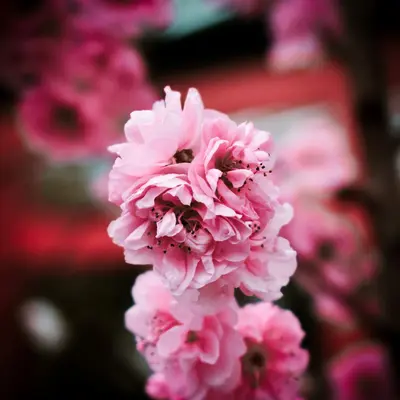
More depth and dimension than your average snapdragon. Reminiscent of a watercolor painting, bloom color shifts delicately from the center to the edges of the petal: rose to shell-pink and pale pink. Florets are densely packed on the flower spike, giving the blooms a lovely full appearance. Bred for performance under short days and low temperatures; considered a group 2 snapdragon. Well-suited for an early spring bloom period. Performs well in our overwinter tunnel trials - a great color for early spring bouquets. Edible Flowers: The flowers are a colorful garnish for use in salads, desserts, and drinks. The flavor is floral and slightly bitter, so use sparingly.
Harvest
100-110d
Days to harvest
Sun
Full sun to partial shade
Zones
7–10
USDA hardiness
Height
0-3 feet
Planting Timeline
Showing dates for Bridal Pink in USDA Zone 7
All Zone 7 flower →Zone Map
Click a state to update dates
Bridal Pink · Zones 7–10
Growing Details
Succession Planting
Start seeds indoors 8–10 weeks before your last frost — that's around February 1–15 for most of zone 7 — and plan on two spring rounds: one transplanted out in mid-April, and a second sown indoors in early March for a late-April or early-May transplant. Bridal Pink slows down hard once daytime highs push past 85°F, which in Georgia usually means the plants are fading by late June. A fall run is worth doing: sow a third batch indoors in late July and transplant in September for blooms through November. That fall flush is often cleaner than the spring one — fewer pest and disease pressures once the humidity drops.
Complete Growing Guide
More depth and dimension than your average snapdragon. Reminiscent of a watercolor painting, bloom color shifts delicately from the center to the edges of the petal: rose to shell-pink and pale pink. Florets are densely packed on the flower spike, giving the blooms a lovely full appearance. Bred for performance under short days and low temperatures; considered a group 2 snapdragon. Well-suited for an early spring bloom period. Performs well in our overwinter tunnel trials - a great color for early spring bouquets. Edible Flowers: The flowers are a colorful garnish for use in salads, desserts, and drinks. The flavor is floral and slightly bitter, so use sparingly. According to Johnny's Selected Seeds, Bridal Pink is 100 - 110 days to maturity, annual, hybrid (f1). Notable features: Greenhouse Performer, Use for Cut Flowers and Bouquets, Edible Flowers, Fragrant.
Light: Full sun (6 or more hours of direct sunlight a day), Partial Shade (Direct sunlight only part of the day, 2-6 hours). Soil: High Organic Matter. Drainage: Good Drainage. Height: 0 ft. 6 in. - 3 ft. 0 in.. Spread: 0 ft. 6 in. - 0 ft. 10 in.. Spacing: Less than 12 inches. Growth rate: Medium. Maintenance: Medium.
Harvesting
Bridal Pink reaches harvest at 100 - 110 days from sowing per Johnny's Selected Seeds. As an annual, harvest continues until frost ends the season.
A capsule, half hidden by calyx lobes, short-beaked.
Type: Capsule. Length: 1-3 inches.
Storage & Preservation
Fresh cut spikes last 7–10 days in a clean vase with fresh, cool water. Change water every 2–3 days and recut stem bases at a 45-degree angle to maximize water uptake. Keep vases out of direct sunlight and away from ripening fruit (ethylene accelerates petal fading).
For edible florets, refrigerate in a sealed container lined with paper towels to absorb excess moisture; use within 3 days. To preserve florets long-term, dry them completely on a screen in a warm, dark location with good airflow (takes 1–2 weeks), then store in airtight containers away from light. Dried flowers retain their color beautifully and can garnish desserts for months. Alternatively, freeze individual florets in ice cubes with water for decorative cocktails or punch—they maintain color and are ready to use directly from the freezer.
History & Origin
Bridal Pink is an F1 hybrid developed through controlled cross-pollination. Listed in the Johnny's Selected Seeds catalog.
Origin: Southwestern Europe
Advantages
- +Stunning watercolor gradient from rose to pale pink creates visual depth.
- +Densely packed florets produce full, lush flower spikes ideal for bouquets.
- +Performs exceptionally well in cool temperatures and short-day conditions.
- +Reliable overwinter tunnel performer ensures early spring harvests.
- +Edible flowers add unique floral garnish to culinary presentations.
Considerations
- -Edible flowers have bitter taste requiring minimal use in dishes.
- -100-110 day growing period demands patience before marketable blooms.
- -Pink coloring may fade or shift in intense heat stress.
- -Requires consistent cool conditions to maintain color vibrancy and density.
Companion Plants
Marigolds (especially French types like 'Bonanza') are the strongest pairing here — they deter aphids and whiteflies through scent, both of which NC State Extension flags as common snapdragon pests. Sweet alyssum draws in parasitic wasps that knock back aphid populations and fills the 6–8 inch ground layer without competing for root space. Chives pull similar duty against aphids and take up almost no room at 12 inches tall. Skip black walnut entirely — juglone from the roots will stunt or kill snapdragons, and in a mature tree that toxicity zone runs well past where most gardeners think to worry. Around here in the southeast, sunflowers are also worth keeping separate; they're allelopathic and will shade out these 24–36 inch plants before you notice the problem.
Plant Together
Marigolds
Repel aphids, whiteflies, and nematodes while attracting beneficial insects
Sweet Alyssum
Attracts beneficial insects like lacewings and provides ground cover to retain moisture
Lavender
Repels pests with strong fragrance and attracts pollinators like bees and butterflies
Nasturtiums
Act as trap crops for aphids and cucumber beetles while deterring squash bugs
Catmint
Repels ants, aphids, and rodents while attracting beneficial pollinators
Yarrow
Improves soil health and attracts predatory insects that control harmful pests
Cosmos
Attracts beneficial insects and provides structural support without competing for nutrients
Chives
Repel aphids and thrips with their onion-like scent
Keep Apart
Black Walnut
Produces juglone toxin that inhibits growth and can kill sensitive flowering plants
Eucalyptus
Releases allelopathic compounds that suppress growth of nearby plants
Sunflowers
Compete aggressively for nutrients and water, can shade out smaller flowering plants
Pests & Disease Resistance
Common Pests
Aphids, spider mites, whiteflies
Diseases
Powdery mildew, botrytis blight, rust
Troubleshooting Bridal Pink
What you'll see, why it happens, and what to do about it.
White powdery coating on leaves and stems, usually showing up first on upper leaf surfaces in late spring or early summer
Likely Causes
- Powdery mildew (Erysiphe antirrhini) — thrives when nights are cool and humid but days are warm, exactly the conditions we get in April and May
- Poor airflow from crowding plants closer than 12 inches
What to Do
- 1.Cut out the worst-affected stems and bag them — don't compost them
- 2.Spray remaining foliage with a diluted potassium bicarbonate solution (1 tablespoon per gallon) every 7 days until new growth looks clean
- 3.Next season, hold spacing to at least 15 inches and avoid overhead watering in the evening
Stems turning soft and brown at the base, whole plant wilting even when the soil is moist
Likely Causes
- Botrytis blight (Botrytis cinerea) — a gray mold that moves in fast during cool, wet weather and gets a foothold at the soil line
- Spent blooms left on the plant in crowded beds, giving the fungus easy entry points
What to Do
- 1.Pull and discard the affected plant — there's no saving a stem that's already collapsed at the crown
- 2.Deadhead consistently and clear any fallen petals from the soil surface around healthy plants
- 3.Water at the base only, and do it in the morning so foliage dries before nightfall
Leaf undersides covered in orange or rust-colored pustules, leaves yellowing and dropping
Likely Causes
- Snapdragon rust (Puccinia antirrhini) — a fungal disease specific to Antirrhinum, spread by wind-borne spores, worst in wet springs
What to Do
- 1.Remove infected leaves immediately and dispose of them in the trash, not the compost pile
- 2.Apply a sulfur-based fungicide every 10–14 days as a protective measure on remaining healthy foliage
- 3.Switch to drip irrigation or a soaker hose — keeping water off the leaves cuts transmission significantly
Frequently Asked Questions
How long does Bridal Pink snapdragon take to grow from seed to bloom?▼
Is Bridal Pink snapdragon good for beginner gardeners?▼
Can you grow Bridal Pink snapdragon in containers?▼
What's the best time to plant Bridal Pink snapdragon seeds?▼
Why is Bridal Pink snapdragon ideal for cut flowers compared to other snapdragon varieties?▼
Are Bridal Pink snapdragon flowers really edible, and what do they taste like?▼
Zone-by-Zone Planting Calendar
| Zone | Indoor Start | Transplant | Direct Sow | Harvest |
|---|---|---|---|---|
| Zone 3 | April – May | June – July | June – August | — |
| Zone 4 | March – April | June – June | June – July | — |
| Zone 5 | March – April | May – June | May – July | — |
| Zone 6 | March – April | May – June | May – July | — |
| Zone 7 | February – March | April – May | April – June | — |
| Zone 8 | February – March | April – May | April – June | — |
| Zone 9 | January – February | March – April | March – May | — |
| Zone 10 | January – January | February – March | February – April | — |
| Zone 1 | May – June | July – August | July – September | — |
| Zone 2 | April – May | June – July | June – August | — |
| Zone 11 | January – January | January – February | January – March | — |
| Zone 12 | January – January | January – February | January – March | — |
| Zone 13 | January – January | January – February | January – March | — |
Growing Guides from Wind River Greens
Sources & References
External authority sources used in compiling this guide.
- BreederJohnny's Selected Seeds
See the Methodology page for how this data is sourced, what's AI-assisted, and known limitations.