Tifblue Rabbiteye Blueberry
Vaccinium virgatum 'Tifblue'
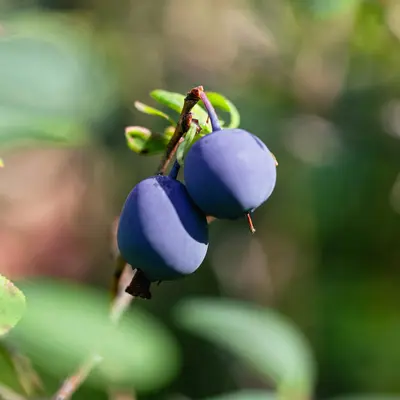
A heat-tolerant rabbiteye blueberry that thrives in Southern climates where northern varieties fail. This vigorous producer yields large, firm berries with excellent flavor and superior storage quality. Perfect for gardeners in hot, humid regions who want reliable blueberry harvests.
Harvest
60-80d
Days to harvest
Sun
Full sun to partial shade
Zones
7–10
USDA hardiness
Height
0-12 feet
Planting Timeline
Showing dates for Tifblue Rabbiteye Blueberry in USDA Zone 7
All Zone 7 berry →Zone Map
Click a state to update dates
Tifblue Rabbiteye Blueberry · Zones 7–10
Growing Details
Complete Growing Guide
Soil pH: Acid (<6.0). Height: 0 ft. 6 in. - 12 ft. 0 in.. Spread: 0 ft. 6 in. - 12 ft. 0 in..
Harvesting
Fruit shape, color, and size vary with species with many being dark blue or bright red. They all have a distinct "crown" of 4-5 parts on the blossom end. The fruits are initially green, transition to reddish-pink, then blue with a glaucous coat.
Color: Blue, Green, Pink, Red/Burgundy. Type: Berry. Length: < 1 inch. Width: < 1 inch.
Garden value: Edible, Showy
Harvest time: Summer
Edibility: All fruits in this genus are safe to eat, though a few are not palatable. Most are sweet and/or tart and many, including blueberries and cranberries, are grown commercially for their fruit.
Storage & Preservation
# Storage and Preservation
Tifblue berries keep best at 32–40°F with 90–95% humidity; store them unwashed in shallow containers lined with paper towels to manage moisture and prevent mold. Under these conditions, expect a fresh shelf life of 7–10 days, though flavor peaks within the first 3–5 days. For longer storage, freezing is ideal—spread cleaned, dry berries on a tray, freeze solid, then transfer to freezer bags for up to a year. The firm flesh of Tifblues holds up well to freezing, making them excellent for baking and smoothies. Canning as jam works beautifully given their balanced sweet-tart profile; they also dry successfully for snacking or rehydrating. For bulk preservation, consider making cordials or infusions, which capture the mild blueberry character while extending usability.
Companion Plants
Azaleas, rhododendrons, and heather are the most practical companions for Tifblue because they share the same soil requirements — pH 4.5 to 5.5 — so you're not fighting yourself trying to amend one bed for two different plants. Pine trees nearby are genuinely useful: the needle duff that accumulates under them acidifies the soil slowly over time, and their deep tap and lateral roots don't compete with the shallow feeder roots blueberries rely on in the top 12 inches of soil. Strawberries fill the gaps between shrubs without much fuss. Black walnut is a hard no — juglone, the allelochemical it releases through its roots and decomposing hulls, stunts or kills a wide range of plants, and Vaccinium species are on that list. Brassicas and tomatoes are simply a pH mismatch; they want soil closer to neutral, and any amendments you'd apply for them will push your blueberry bed in the wrong direction.
Plant Together
Azaleas
Share similar acidic soil requirements and shallow root systems
Rhododendrons
Thrive in same acidic, well-draining soil conditions
Pine Trees
Drop acidic needles that help maintain optimal soil pH
Strawberries
Compatible shallow roots and shared preference for acidic soil
Cranberries
Similar acid-loving berry with complementary growing requirements
Oak Trees
Provide partial shade and drop acidic leaves that improve soil
Ferns
Thrive in acidic conditions and provide ground cover without root competition
Heather
Acid-loving plant that attracts beneficial pollinators
Keep Apart
Black Walnut
Produces juglone toxin that inhibits blueberry growth and fruit production
Brassicas
Prefer alkaline soil conditions opposite to blueberry requirements
Tomatoes
Require higher pH soil and may compete for similar nutrients
Nutrition Facts
Per 100g serving. % Daily Value based on 2,000 calorie diet. Source: USDA FoodData Central (FDC #2346411)
Pests & Disease Resistance
Resistance
Good resistance to stem blight and leaf spot
Common Pests
Blueberry maggot, aphids, scale insects
Diseases
Root rot in poorly drained soil, powdery mildew
Troubleshooting Tifblue Rabbiteye Blueberry
What you'll see, why it happens, and what to do about it.
Fruit with small soft spots that collapse inward; larvae visible inside ripe berries
Likely Causes
- Blueberry maggot (Rhagoletis mendax) — adult flies lay eggs in ripening fruit in mid-summer
- No protective netting or monitoring traps in place
What to Do
- 1.Hang yellow sticky traps baited with ammonium acetate near the shrubs by late June to monitor adult fly activity
- 2.Cover plants with fine mesh netting (1mm or smaller) before berries begin to color
- 3.Pick ripe fruit every 2-3 days — letting berries hang gives more time for egg-laying
Leaves curling and sticky to the touch, with small clusters of soft-bodied insects on new growth
Likely Causes
- Blueberry aphid (Illinoia pepperi) or other aphid species feeding on tender shoot tips
- Ants farming aphid colonies, which shields aphids from predatory insects like lacewings and parasitic wasps
What to Do
- 1.Knock aphids off with a firm spray of water from the hose — works better than you'd expect on light infestations
- 2.Apply insecticidal soap directly to the colonies; repeat every 5-7 days for 2-3 applications
- 3.Control ant access to the shrub by banding the main stems with a sticky barrier product like Tanglefoot
Wilting and yellowing across the whole plant despite adequate watering; roots look brown and mushy when dug
Likely Causes
- Phytophthora root rot — a water mold that thrives when soil stays saturated for more than a few days
- Planting in a low spot or clay-heavy soil with poor internal drainage
What to Do
- 1.Improve drainage immediately: mound the planting area 8-12 inches above grade if replanting
- 2.Back off watering to 1 inch per week and let the top 2 inches of soil dry slightly between waterings
- 3.NC State Extension recommends against replanting blueberries in a site with known Phytophthora history — pick a new location rather than trying to amend your way out of it
White powdery coating on upper leaf surfaces, mostly on new growth in late summer
Likely Causes
- Powdery mildew (Erysiphe vaccinii) — a fungal disease that spreads in warm, humid conditions with low airflow
- Overcrowded planting or siting against a structure that traps humid air overnight
What to Do
- 1.Thin any crossing or interior branches to open up the canopy and get air moving through
- 2.Apply a sulfur-based fungicide or potassium bicarbonate spray at first sign; don't wait until the whole plant is coated
- 3.Tifblue can reach 8-10 feet tall and nearly as wide at maturity — if your shrubs are tighter than 6 feet apart, that's your mildew problem right there
Frequently Asked Questions
How long does Tifblue blueberry take to produce fruit?▼
What is the best pollinator for Tifblue rabbiteye blueberry?▼
Can you grow Tifblue blueberry in containers?▼
Is Tifblue blueberry good for beginners?▼
When should I plant Tifblue blueberry bushes?▼
What does Tifblue blueberry taste like compared to store-bought?▼
Zone-by-Zone Planting Calendar
Growing Guides from Wind River Greens
Sources & References
External authority sources used in compiling this guide.
See the Methodology page for how this data is sourced, what's AI-assisted, and known limitations.