Great Blue Lobelia
Lobelia siphilitica
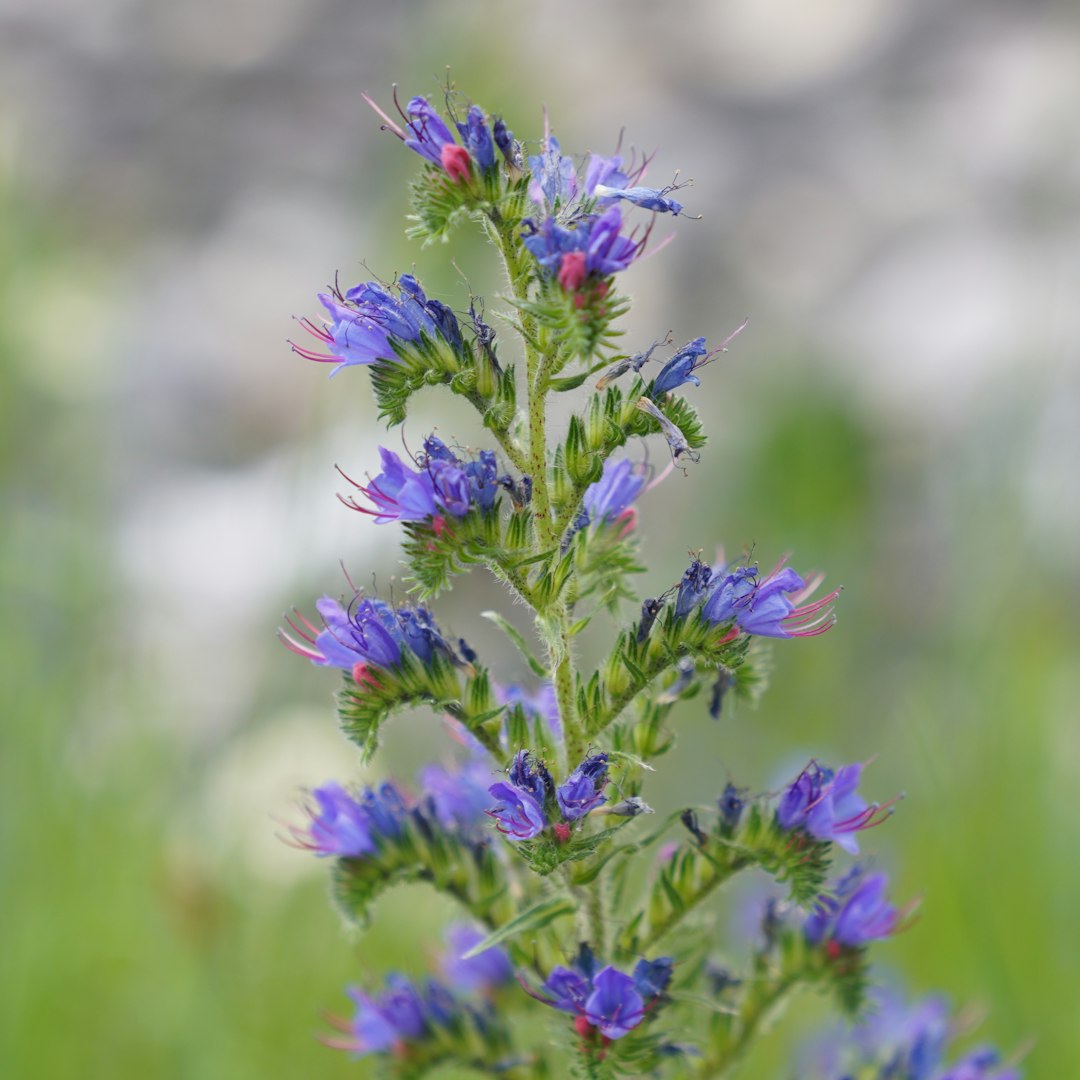
Great Blue Lobelia (Lobelia siphilitica) is a perennial native wildflower. Hardy in USDA zones 4 to 9. Prefers full sun.
Sun
Full sun to partial shade
Zones
4–9
USDA hardiness
Height
1-4 feet
Planting Timeline
Showing dates for Great Blue Lobelia in USDA Zone 7
All Zone 7 native-wildflower →Zone Map
Click a state to update dates
Great Blue Lobelia · Zones 4–9
Growing Details
Complete Growing Guide
Light: Dappled Sunlight (Shade through upper canopy all day), Full sun (6 or more hours of direct sunlight a day), Partial Shade (Direct sunlight only part of the day, 2-6 hours). Soil: High Organic Matter. Drainage: Moist, Occasionally Wet. Height: 1 ft. 6 in. - 4 ft. 0 in.. Spread: 1 ft. 0 in. - 1 ft. 6 in.. Maintenance: Low. Propagation: Division, Seed. Regions: Mountains, Piedmont.
Harvesting
Displays from August to November
Harvest time: Fall
Storage & Preservation
Great Blue Lobelia is an ornamental wildflower, not typically harvested or stored for consumption. If cutting flowers for fresh arrangements, place stems in cool water immediately and store in a cool location (50-55°F) away from ethylene-producing fruits. Keep humidity moderate to prevent wilting. Cut flowers typically last 7-10 days. For preservation, press flowers between absorbent paper for dried arrangements, or dry entire stems upside-down in a well-ventilated area for 2-3 weeks. Alternatively, preserve seeds by collecting mature seedpods in late summer and storing in cool, dry conditions for next season's planting.
History & Origin
Lobelia siphilitica, commonly called Great Blue Lobelia, is a species native to eastern North America rather than a deliberately bred cultivar with a documented origin story. The plant occurs naturally from Quebec and Ontario south to the Carolinas and Missouri, where it inhabits wetlands, stream banks, and moist meadows. Its scientific name derives from the Latinized form of Philippe de Sistèle, a 16th-century Flemish botanist, and the Greek word siphon, referring to its tubular flowers. As a wild species, Great Blue Lobelia entered horticulture through plant collectors and native plant enthusiasts rather than formal breeding programs, making it a heritage selection preserved through seed saving and propagation of wild populations.
Origin: Eastern North America
Advantages
- +Attracts: Butterflies, Hummingbirds, Pollinators, Predatory Insects
- +Low maintenance
Considerations
- -Toxic (Flowers, Fruits, Leaves, Roots, Sap/Juice, Seeds, Stems): Low severity
Companion Plants
Cardinal Flower (Lobelia cardinalis) is the most natural pairing — same genus, overlapping mid-to-late summer bloom, and both draw hummingbirds and long-tongued bumblebees without competing at the root level. Wild Bergamot and New England Aster extend that pollinator activity into fall, so you end up with a continuous forage stretch rather than a single spike of bloom. Joe Pye Weed and Swamp Milkweed belong in the same wet-meadow or rain-garden planting for practical reasons: they share the same moisture preference, so none of them are fighting each other for water. Wild Ginger and ferns make useful low groundcovers in shadier spots where Great Blue Lobelia is running on 4–5 hours of sun.
Black Walnut (Juglans nigra) is the one exclusion that really matters — it releases juglone from its roots, and Lobelia siphilitica is sensitive enough that even planting on the outer edge of a walnut's root zone can stunt or kill it. Autumn Olive and Purple Loosestrife are both invasive enough that growing anything near them is asking for trouble; you'll spend more time pulling their seedlings than tending the lobelia.
Plant Together
Wild Bergamot
Shares similar moisture requirements and attracts beneficial pollinators like bees and butterflies
Cardinal Flower
Both prefer moist soils and create stunning red-blue color combinations while attracting hummingbirds
New England Aster
Extends blooming season into fall and provides habitat for beneficial insects
Joe Pye Weed
Thrives in similar wet conditions and attracts butterflies while providing structural support
Swamp Milkweed
Shares preference for moist soils and supports monarch butterflies and other pollinators
Wild Ginger
Provides ground cover and retains soil moisture that Great Blue Lobelia requires
Ferns
Create ideal understory conditions with consistent moisture and partial shade
Elderberry
Provides natural windbreak and attracts beneficial insects while tolerating wet conditions
Keep Apart
Black Walnut
Releases juglone toxin that inhibits growth and can kill sensitive plants like lobelia
Autumn Olive
Aggressive invasive shrub that outcompetes native plants for nutrients and space
Purple Loosestrife
Invasive wetland plant that aggressively displaces native species in moist habitats
Pests & Disease Resistance
Common Pests
Spider mites, aphids, slugs
Diseases
Powdery mildew, root rot in poorly drained soil
Troubleshooting Great Blue Lobelia
What you'll see, why it happens, and what to do about it.
White powdery coating on leaves and stems, usually appearing mid-summer when nights cool down
Likely Causes
- Powdery mildew (Erysiphe or Golovinomyces spp.) — thrives when humidity is high but leaves stay dry, common in crowded plantings
- Poor airflow from dense neighboring plants or spacing tighter than 12 inches between crowns
What to Do
- 1.Thin the planting to at least 12–18 inches between crowns to open up airflow
- 2.Spray affected foliage with a diluted solution of 1 tablespoon baking soda per gallon of water — catches it early if you stay on it
- 3.Cut back badly infected stems to the base; this plant rebounds well from a hard cut
Stems collapsing at soil level, roots dark and mushy when you pull the plant
Likely Causes
- Root rot from Phytophthora or Pythium spp. — both thrive in waterlogged, low-oxygen soil
- Planting in a site that holds standing water between rain events, even though this species wants consistent moisture
What to Do
- 1.Don't plant in standing-water spots — Great Blue Lobelia wants moist soil, not saturated soil; there's a real difference
- 2.Amend heavy clay beds with 2–3 inches of compost worked in before planting to improve drainage
- 3.Remove and discard collapsed plants; don't replant Lobelia siphilitica in that exact spot for at least two seasons
Ragged holes in leaves or seedlings disappearing overnight, especially in spring
Likely Causes
- Slugs (Deroceras reticulatum and related species) — active at night and in wet weather, nearly invisible during the day
- Young transplants under 6 inches tall are most vulnerable in the first few weeks after setting out
What to Do
- 1.Set out iron phosphate bait (Sluggo or equivalent) around new transplants — it's wildlife-safe and works
- 2.Check under mulch and debris near the crowns in the early morning with a flashlight and handpick
- 3.Pull mulch back a few inches from the base of each plant to remove slug daytime cover until plants are established
Frequently Asked Questions
When should I plant Great Blue Lobelia?▼
Can you grow Great Blue Lobelia in containers?▼
How long does it take Great Blue Lobelia to flower from seed?▼
Is Great Blue Lobelia good for beginners?▼
What does Great Blue Lobelia look like?▼
Zone-by-Zone Planting Calendar
Growing Guides from Wind River Greens
Sources & References
External authority sources used in compiling this guide.
- ExtensionNC State Extension
See the Methodology page for how this data is sourced, what's AI-assisted, and known limitations.