Chestnut (American Revival)
Castanea dentata hybrid
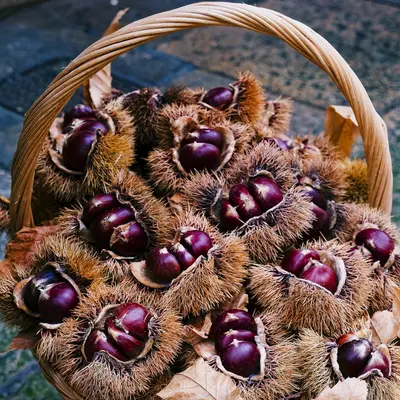
A blight-resistant American chestnut hybrid that brings back the beloved native species through careful breeding with Chinese chestnut resistance. These trees produce sweet, flavorful nuts reminiscent of the original American chestnut while maintaining the disease tolerance needed for modern growing. American Revival represents hope for restoring this iconic tree to home landscapes and forests.
Harvest
120-150d
Days to harvest
Sun
Full sun to partial shade
Zones
5–8
USDA hardiness
Height
50-75 feet
Planting Timeline
Showing dates for Chestnut (American Revival) in USDA Zone 7
All Zone 7 nut-tree →Zone Map
Click a state to update dates
Chestnut (American Revival) · Zones 5–8
Growing Details
Complete Growing Guide
American Revival chestnuts thrive in full sun with well-draining soil and benefit from planting in pairs to ensure cross-pollination, which is essential for nut production on this hybrid. Unlike standard chestnut varieties, this cultivar's blight resistance means you can establish it where native chestnuts historically failed, though it still requires protection from anthracnose in humid climates through good air circulation and avoiding overhead watering. The 120-150 day maturity means nuts ripen by early fall in most zones, but the trees need consistent moisture during the critical summer months when kernel development occurs. One practical strategy: apply a thick mulch layer to regulate soil temperature and moisture during establishment, which significantly reduces transplant shock and accelerates the first productive years. Space trees at least 40 feet apart to accommodate their mature spread and facilitate harvesting the spiky burrs that drop in autumn.
Light: Full sun (6 or more hours of direct sunlight a day), Partial Shade (Direct sunlight only part of the day, 2-6 hours). Soil: Clay, Loam (Silt), Shallow Rocky. Soil pH: Acid (<6.0). Drainage: Good Drainage, Moist, Occasionally Dry. Height: 50 ft. 0 in. - 75 ft. 0 in.. Spread: 50 ft. 0 in. - 75 ft. 0 in.. Spacing: more than 60 feet. Growth rate: Medium. Maintenance: High. Regions: Coastal, Mountains, Piedmont.
Harvesting
American Revival chestnuts reach peak harvest readiness when their spiky burrs transition from green to brown and begin naturally splitting open, revealing glossy mahogany nuts inside that feel firm and heavy for their size. Harvest by collecting fallen nuts from the ground daily rather than shaking branches, as mature nuts drop naturally when ready and ground collection reduces damage. This cultivar follows a continuous-harvest pattern throughout fall, typically from September through November depending on your climate, so plan multiple gathering trips rather than a single harvest day. A practical timing tip: harvest after morning dew dries but before afternoon temperatures spike, as this window makes nuts easier to extract from burrs and minimizes handling stress on the delicate kernels inside.
The fruit is a 2-2.5 inch wide prickly burr that opens about first frost. 2-3 sweet, edible nuts then drop to the ground in September to October.
Color: Brown/Copper. Type: Nut. Length: 1-3 inches. Width: 1-3 inches.
Garden value: Edible, Showy
Harvest time: Fall
Edibility: Nuts from this species are edible.
Storage & Preservation
Store freshly harvested chestnuts in a cool, humid environment between 32–40°F (0–4°C) with relative humidity around 90 percent. A refrigerator crisper drawer or unheated garage works well; keep nuts in breathable mesh bags or perforated containers to prevent moisture buildup and mold. Under these conditions, chestnuts remain fresh for 2–3 months, though quality gradually declines after 6–8 weeks.
For longer preservation, freezing is highly effective: crack shells, blanch briefly to remove skins, then freeze in airtight containers for up to one year. Dried chestnuts work beautifully for flour-making and winter soups; dry whole or halved nuts at 140°F (60°C) for 12–16 hours until brittle. Roasted chestnuts can be frozen in their shells for several months. Unlike most tree nuts, chestnuts are prone to mold in sealed, warm storage, so prioritize cool temperatures and air circulation.
History & Origin
The American Revival chestnut represents a modern breeding effort to restore Castanea dentata, the native American chestnut nearly eliminated by chestnut blight in the early twentieth century. While specific breeder attribution and introduction year remain incompletely documented in public sources, this hybrid follows decades of research by organizations and university programs dedicated to developing blight-resistant varieties through systematic crosses with Chinese chestnut (Castanea mollissima), which carries natural disease tolerance. The resulting hybrids aim to recover the superior flavor and stature of the original American species while incorporating the survival traits necessary for contemporary cultivation, reflecting a broader conservation breeding movement rather than a single definitive origin point.
Origin: E. Canada to N. Central & E. U.S.A
Advantages
- +Restores beloved native American chestnut genetics with modern blight resistance
- +Produces sweet, flavorful nuts with unique vanilla notes versus Asian varieties
- +Moderate growing difficulty makes it accessible for home gardeners
- +Relatively fast maturation at 120-150 days for nut production
- +Offers ecological and cultural value by reviving iconic species
Considerations
- -Multiple pest pressures including weevils and gall wasps require management
- -Vulnerable to ink disease and Phytophthora root rot in wet soils
- -Hybrid vigor may not match pure Asian chestnut disease resistance completely
- -Still developing cultivar track record compared to established chestnut varieties
Companion Plants
Wild ginger is the most practical ground cover directly under the canopy — it handles the dense shade a mature chestnut throws, stays low enough not to compete for light, and its root mat cuts down on erosion on the slight slopes where chestnuts do best in our Georgia Piedmont soils. Elderberry and serviceberry fill the mid-story well and fruit at staggered times, so you're not chasing two harvests at once. Ramps go dormant before the chestnut fully leafs out, so there's no real overlap in their light or moisture demands. Black walnut is a hard no within about 50 feet — its roots release juglone, a biochemical compound that interferes with root respiration in sensitive species, and chestnut is sensitive enough that the damage shows up as slow decline rather than a dramatic collapse you'd catch early.
Plant Together
Wild Ginger
Thrives in partial shade under chestnut canopy, helps retain soil moisture
Elderberry
Compatible understory shrub, attracts beneficial insects and provides wildlife food
Wild Bergamot
Native pollinator plant that attracts beneficial insects, tolerates partial shade
Ramps (Wild Leeks)
Woodland native that grows well under chestnut canopy, adds biodiversity
Serviceberry
Compatible native understory tree, provides early spring blooms for pollinators
Wild Columbine
Shade-tolerant native that attracts hummingbirds and beneficial insects
Spicebush
Native shrub that supports wildlife and thrives in woodland conditions
Mayapple
Native groundcover that colonizes under tree canopy, prevents soil erosion
Keep Apart
Black Walnut
Produces juglone toxin that inhibits growth and can kill chestnut trees
Red Pine
Competes aggressively for nutrients and water, creates dense shade
Tree of Heaven
Invasive species that releases allelopathic chemicals and outcompetes natives
Nutrition Facts
Per 100g serving. % Daily Value based on 2,000 calorie diet. Source: USDA FoodData Central (FDC #170575)
Pests & Disease Resistance
Resistance
Excellent resistance to chestnut blight, good overall disease tolerance
Common Pests
Chestnut weevil, gall wasps, aphids, scale insects
Diseases
Ink disease, Phytophthora root rot, leaf spot
Troubleshooting Chestnut (American Revival)
What you'll see, why it happens, and what to do about it.
Small, round exit holes in mature nuts with a fat, cream-colored grub inside
Likely Causes
- Chestnut weevil (Curculio elephas or C. sayi) — female bores into developing nuts in late summer to lay eggs
- Warm, dry autumns that extend the weevil flight window
What to Do
- 1.Collect and hot-water treat harvested nuts at 120°F for 30 minutes to kill any larvae before storage
- 2.Pick up all fallen nuts within 24-48 hours — larvae that reach the soil overwinter and emerge the following year
- 3.If weevil pressure is heavy across multiple seasons, kaolin clay applied to the canopy from late July onward can reduce egg-laying
Dark, water-soaked lesions at or just below the soil line, with the tree wilting despite adequate soil moisture
Likely Causes
- Ink disease or Phytophthora root rot (Phytophthora cinnamomi) — thrives in poorly drained, heavy clay soils
- Planting in a low spot where water pools after rain
What to Do
- 1.Plant on a slight slope or raised berm — 6-12 inches of elevation above the surrounding grade is enough to improve drainage significantly
- 2.Pull back any mulch piled against the trunk; keep a 6-inch clear zone
- 3.Avoid overhead irrigation; switch to drip or soaker hose positioned at the drip line instead
Round to irregular tan or brown spots on leaves by midsummer, sometimes with a yellow halo, leading to early leaf drop
Likely Causes
- Chestnut leaf spot (Mycosphaerella maculiformis) — a fungal disease that overwinters in fallen leaf litter
- Dense canopy with poor airflow, which keeps foliage wet longer after rain
What to Do
- 1.Rake and dispose of fallen leaves in autumn — don't compost them; bag or burn if your county allows it
- 2.Young trees with significant defoliation before September can be side-dressed with a balanced 10-10-10 fertilizer the following early spring to support recovery
- 3.Space trees the full 30-40 feet apart at planting — crowding is tempting when they're small saplings, but canopy closure comes faster than most people expect
Frequently Asked Questions
How long does it take to harvest American Revival chestnuts?▼
Is American Revival chestnut good for beginners?▼
What does American Revival chestnut taste like?▼
How much sun does American Revival chestnut need?▼
Can you grow American Revival chestnut in containers?▼
What pests affect American Revival chestnut trees?▼
Zone-by-Zone Planting Calendar
Growing Guides from Wind River Greens
Sources & References
External authority sources used in compiling this guide.
See the Methodology page for how this data is sourced, what's AI-assisted, and known limitations.