Allium schoenoprasum 'Purly'
Allium schoenoprasum 'Purly'
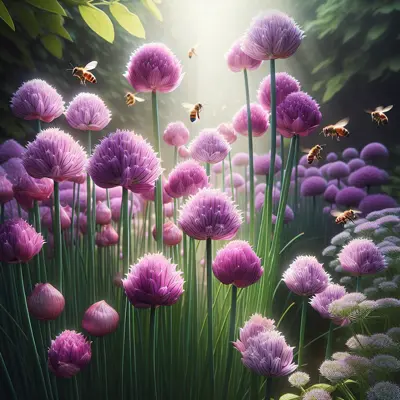
A stunning ornamental chive variety that produces vibrant purple-pink flower globes above slender, hollow green stems throughout the growing season. Unlike common chives, Purly offers exceptional flower production and color intensity, making it perfect for edible landscaping, cut flower arrangements, and pollinator gardens. The edible flowers and mild onion-flavored leaves provide both culinary value and garden beauty in one reliable perennial package.
Harvest
60-75d
Days to harvest
Sun
Full sun to partial shade
Zones
4–8
USDA hardiness
Height
12-18 inches
Planting Timeline
Showing dates for Allium schoenoprasum 'Purly' in USDA Zone 7
All Zone 7 herb →Zone Map
Click a state to update dates
Allium schoenoprasum 'Purly' · Zones 4–8
Growing Details
Succession Planting
Chives are a perennial in zones 4–8, so succession planting doesn't apply the way it would for lettuce or radishes — the same clump returns every spring. What you manage instead is the harvest cycle: cut the whole plant down to about 2 inches above soil level every 4–5 weeks. This keeps the foliage tender and stops the plant from pushing energy into seed heads before you want them.
If you're starting from seed, sow indoors in February or March and transplant out in April once nighttime temps stay above 40°F. Division is faster for expanding your planting: split established clumps every 2–3 years in early spring before the first flush of growth, set divisions 8–12 inches apart, and they'll fill back in within a few weeks.
Complete Growing Guide
This purple-flowering chive cultivar thrives in full sun to partial shade with well-draining soil and consistent moisture, though it tolerates poor soil better than many herbs. Unlike standard chive varieties, Purly exhibits exceptional flower production but may bolt prematurely in hot summers above 85°F, so afternoon shade helps extend blooming in southern regions. Plant in spring after frost danger passes, spacing 12 inches apart for optimal air circulation to prevent powdery mildew, which can affect dense plantings. Deadheading spent flower globes throughout the 60-75 day season encourages continuous flowering rather than seed production. Watch for onion flies and root maggots in early spring by inspecting emerging shoots; a practical solution is to mulch around plants with fine sand or diatomaceous earth to create a physical barrier. Divide clumps every two to three years to maintain vigor and prevent overcrowding that invites fungal issues.
Light: Full sun (6 or more hours of direct sunlight a day), Partial Shade (Direct sunlight only part of the day, 2-6 hours). Soil: Clay, Loam (Silt), Sand, Shallow Rocky. Drainage: Good Drainage, Moist, Occasionally Dry. Height: 1 ft. 0 in. - 1 ft. 6 in.. Spread: 1 ft. 0 in. - 1 ft. 5 in.. Spacing: Less than 12 inches, 12 inches-3 feet. Growth rate: Medium. Maintenance: Low. Propagation: Division, Seed. Regions: Coastal, Mountains, Piedmont.
Harvesting
Harvest 'Purly' chive flowers when the purple-pink globes reach full diameter and feel firm to the touch, with petals just beginning to open—this peak stage ensures maximum color intensity and delicate flavor. For continuous harvests throughout the season, pinch individual flower stems at the base rather than cutting entire plants, which encourages prolific reblooming and extends your flowering window by weeks. Clip leaves anytime after plants reach 6 inches tall by harvesting outer stems first, leaving inner growth undisturbed. A crucial timing tip: harvest flowers in early morning after dew dries but before afternoon heat peaks, as this preserves their vibrant hue and delicate onion-floral notes for both culinary use and arrangements.
3-valved capsule opens in summer to disperse many seeds
Type: Capsule. Length: < 1 inch. Width: < 1 inch.
Harvest time: Summer
Storage & Preservation
Fresh chive leaves store best wrapped in damp paper towels inside plastic bags in the refrigerator, lasting 7-10 days. For flowers, place stems in water immediately and refrigerate for up to 5 days—they're quite perishable.
Freeze-dry chopped leaves in ice cube trays with water or olive oil for convenient cooking portions. Unlike many herbs, chives freeze beautifully without blanching and retain much of their flavor for 6 months. For dried preservation, hang small bundles in a dark, well-ventilated area, though 'Purly' loses significant flavor when dried compared to freezing. The flowers can be frozen in ice cubes for drink garnishes or dried for potpourri, though they lose their vibrant color when preserved.
History & Origin
Allium schoenoprasum 'Purly' belongs to the Allium schoenoprasum species, commonly known as chives, which has been cultivated for centuries across temperate regions of Europe and Asia. While specific breeder credits and introduction dates for this particular cultivar remain sparsely documented in readily available horticultural records, 'Purly' represents a modern ornamental breeding line developed to emphasize the vibrant purple-pink flowers that wild and heirloom chive varieties produce naturally. The cultivar likely emerged from selective breeding programs within the broader movement toward edible landscaping and dual-purpose ornamental herbs that gained momentum during the late twentieth century. This variety continues the long heritage of chive cultivation while refining it for contemporary garden aesthetics and commercial cut flower markets.
Origin: Temperate Northern Hemisphere
Advantages
- +Produces exceptional vibrant purple-pink flower globes for extended visual appeal
- +Both edible flowers and mild onion-flavored leaves offer dual culinary-ornamental value
- +Reliable perennial requiring minimal care with easy growing difficulty level
- +Excellent for attracting pollinators while providing cut flower arrangement material
- +Thrives in edible landscaping designs combining beauty with herb productivity
Considerations
- -Susceptible to rust and downy mildew, especially in persistently wet conditions
- -Attracts thrips, onion flies, and aphids requiring regular pest monitoring
- -Requires well-draining soil to prevent fungal diseases and root rot issues
Companion Plants
Chives do real work near tomatoes, peppers, carrots, and roses because their sulfur compounds confuse soft-bodied pests like aphids — the scent masks the host plant well enough to reduce colonization pressure. Planted at the base of roses, they're also credited with suppressing black spot (Diplocarpon rosae), though that claim runs more on observation than controlled trials. Carrots and chives pair well partly because of root depth: chives sit shallow at roughly 6–8 inches while carrots push down past 12, so they're not pulling from the same water or competing for the same nutrients. Brassicas and lettuce benefit from the same pest-confusion effect without crowding issues.
Beans, peas, and asparagus are the ones to avoid. Allium compounds suppress the rhizobial bacteria that legumes rely on for nitrogen fixation — put chives close enough and your bean yield will show it within a season. Asparagus is a different problem: both are perennial, both spread laterally underground, and neither will yield cleanly if they're fighting for the same bed over several years.
Plant Together
Tomatoes
Chives repel aphids and may improve tomato flavor and growth
Carrots
Chives help deter carrot fly and other root pests
Roses
Chives repel aphids and black spot fungus that commonly affect roses
Brassicas
Chives deter cabbage worms, flea beetles, and other crucifer pests
Apple trees
Chives help prevent apple scab and repel aphids from fruit trees
Lettuce
Chives improve lettuce growth and flavor while deterring aphids
Peppers
Chives repel aphids and may enhance pepper growth and disease resistance
Strawberries
Chives deter slugs and aphids while potentially improving berry flavor
Keep Apart
Beans
Alliums can inhibit bean growth and nitrogen fixation by legumes
Peas
Chives may stunt pea growth and interfere with beneficial soil bacteria
Asparagus
Strong onion family plants can inhibit asparagus spear development
Nutrition Facts
Per 100g serving. % Daily Value based on 2,000 calorie diet. Source: USDA FoodData Central (FDC #172232)
Pests & Disease Resistance
Resistance
Very hardy with few disease issues
Common Pests
Thrips, onion flies, aphids
Diseases
Rust, downy mildew in wet conditions
Troubleshooting Allium schoenoprasum 'Purly'
What you'll see, why it happens, and what to do about it.
Small orange or brick-red pustules breaking through leaf surfaces, dry and powdery to the touch
Likely Causes
- Rust caused by fungi in the genus Puccinia — spores spread by wind and splash, worse in humid conditions
- Overhead watering that keeps foliage wet for extended periods
What to Do
- 1.Cut affected leaves off at the base and bin them — don't compost rust-infected material
- 2.Switch to drip or base watering to keep foliage dry
- 3.Thin clumps to improve airflow; chives at 8–12 inch spacing tend to close up fast and trap humidity
Gray or bluish-white fuzzy growth on the undersides of leaves after several days of wet, cool weather
Likely Causes
- Downy mildew — NC State Extension notes this develops in wet conditions and produces characteristic sporulation on leaf undersides
- Dense, overcrowded clumps that hold moisture overnight
What to Do
- 1.Remove and discard heavily infected foliage immediately — don't let it sit on the soil surface
- 2.Divide clumps that have spread beyond 6 inches across; packed chives stay wet long after rain stops
- 3.Water in the morning so leaves dry before nightfall; avoid evening irrigation entirely during cool, damp stretches
Distorted or stippled leaves with tiny insects visible; plants look stunted or show silvery streaking by midsummer
Likely Causes
- Thrips — rasping feeders that scar leaf tissue and leave a silvery sheen
- Aphids — cluster at new growth tips, especially during the spring flush
What to Do
- 1.Knock aphid colonies off with a firm spray of water two or three days running
- 2.For thrips, cut the entire clump down to about 2 inches above soil level — new growth comes in clean, and you get a usable harvest in the process
- 3.Avoid broad-spectrum insecticides that wipe out Chrysoperla (lacewing) larvae, which prey on both pests naturally
Frequently Asked Questions
How long does Allium schoenoprasum 'Purly' take to grow from seed?▼
Can you grow Allium schoenoprasum 'Purly' in containers?▼
What's the difference between 'Purly' chives and regular chives?▼
When should I plant Allium schoenoprasum 'Purly' seeds?▼
Is Allium schoenoprasum 'Purly' good for beginners?▼
Do 'Purly' chive flowers keep blooming if you don't cut them?▼
Zone-by-Zone Planting Calendar
Growing Guides from Wind River Greens
Sources & References
External authority sources used in compiling this guide.
See the Methodology page for how this data is sourced, what's AI-assisted, and known limitations.