English Lavender
Lavandula angustifolia 'Munstead'
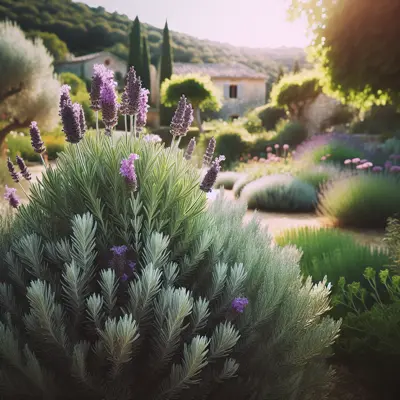
A compact, hardy lavender variety that's perfect for beginners and produces fragrant purple flower spikes beloved by bees and butterflies. This drought-tolerant perennial offers the classic lavender fragrance that's perfect for sachets, cooking, and aromatherapy while forming neat, silvery-green mounds in the garden. Munstead is one of the most cold-hardy lavender varieties, making it suitable for northern climates.
Harvest
90-120d
Days to harvest
Sun
Full sun to partial shade
Zones
5–9
USDA hardiness
Height
12-24 inches
Planting Timeline
Showing dates for English Lavender in USDA Zone 7
All Zone 7 herb →Zone Map
Click a state to update dates
English Lavender · Zones 5–9
Growing Details
Complete Growing Guide
Light: Full sun (6 or more hours of direct sunlight a day), Partial Shade (Direct sunlight only part of the day, 2-6 hours). Soil: Loam (Silt), Sand, Shallow Rocky. Soil pH: Alkaline (>8.0), Neutral (6.0-8.0). Drainage: Good Drainage. Height: 1 ft. 0 in. - 2 ft. 0 in.. Spread: 2 ft. 0 in. - 3 ft. 0 in.. Spacing: 12 inches-3 feet. Growth rate: Medium. Maintenance: Low. Propagation: Division, Seed, Stem Cutting. Regions: Coastal, Mountains, Piedmont.
Harvesting
Fruits are non-ornamental nutlets.
Type: Capsule.
Storage & Preservation
Fresh English Lavender stems can be stored in a cool, dry place for 3-5 days before processing. For immediate use, place cut stems in water like fresh flowers, though this reduces their drying potential. The most popular preservation method is air-drying: bundle 8-10 stems together with rubber bands and hang upside down in a dark, well-ventilated area for 2-3 weeks until stems snap cleanly.
Once dried, strip flowers from stems by running your fingers against the grain. Store dried buds in airtight glass containers away from light, where they'll maintain potency for up to two years. For culinary use, freeze fresh flowers in ice cube trays with water for cocktails, or infuse fresh buds in honey or sugar for baking. Properly dried lavender can also be ground into powder for spice blends or sewn into sachets for natural pest deterrence in closets and drawers.
History & Origin
Origin: Mediterranean region France, Italy, Spain
Advantages
- +Attracts: Butterflies, Pollinators
- +Low maintenance
Considerations
- -Toxic (Flowers, Leaves, Stems): Low severity
Companion Plants
Munstead does well planted alongside other Mediterranean herbs — rosemary, thyme, sage, and oregano share its preference for lean soil, full sun, and dry feet. That alignment in growing conditions is the real reason they work together: none of them want extra irrigation or rich compost, so you're not fighting competing demands in the same bed. NC State Extension's vegetable gardening notes point out that mixing plant families disrupts pest cycles and limits spread, which is a secondary benefit when you cluster these herbs rather than running a monoculture block of any one of them.
Roses are a well-established pairing, and there's a practical basis for it. Lavender's volatile oils are thought to confuse or deter aphids, which are a persistent problem on roses. Marigolds (Tagetes spp.) at the border add another layer — their root exudates are documented to suppress certain soil nematodes, and the combination keeps the planting diverse enough that no single pest gets a clean run at anything. Cabbage and tomatoes benefit from the same pest-confusion logic, though in our zone 7 Georgia garden, Munstead's bigger service to the vegetable beds is pulling in pollinators from June onward rather than any direct pest suppression.
Mint is the one to keep at a distance. It spreads by underground runners and will move into lavender's root zone well before you see anything above ground — by the time the competition is visible, the mint has already established below. Hostas and impatiens are a problem for a different reason: both want consistent moisture and some shade, and siting them near lavender means one plant or the other ends up with the wrong conditions. Either the lavender sits too wet and the crown rots out, or the shade plants desiccate. There's no split-the-difference placement that suits both.
Plant Together
Rosemary
Similar growing conditions, both repel pests and attract beneficial insects
Thyme
Compatible Mediterranean herbs that deter cabbage worms and enhance each other's fragrance
Sage
Shared preference for well-drained soil and mutual pest deterrent properties
Oregano
Similar water and sunlight needs, both attract pollinators and repel ants
Cabbage
Lavender repels cabbage moths, flea beetles, and other brassica pests
Roses
Lavender deters aphids and ants while attracting beneficial insects to protect roses
Tomatoes
Lavender may repel whiteflies and improve tomato flavor while deterring mice
Marigolds
Both plants repel harmful insects and attract beneficial pollinators
Keep Apart
Mint
Aggressive spreader that can overwhelm lavender and prefers more moisture
Impatiens
Requires consistent moisture and shade, opposite of lavender's dry, sunny preferences
Hostas
Needs moist, shaded conditions that conflict with lavender's Mediterranean requirements
Nutrition Facts
Per 100g serving. % Daily Value based on 2,000 calorie diet. Source: USDA FoodData Central (FDC #172232)
Pests & Disease Resistance
Resistance
Generally disease resistant when grown in proper conditions with good drainage
Common Pests
Spittlebug, aphids, whiteflies (rarely problematic)
Diseases
Root rot in poorly drained soils, fungal issues in humid conditions
Troubleshooting English Lavender
What you'll see, why it happens, and what to do about it.
Seedlings collapse at soil level within the first 2 weeks after transplant — stems look pinched or black at the base
Likely Causes
- Damping off (Pythium or Rhizoctonia spp.) — triggered by overwatering, poor drainage, or heavy clay soil that stays wet
- Transplanting into cold, waterlogged soil below 50°F in early spring
What to Do
- 1.Pull the dead seedlings and check roots — brown, slimy roots confirm a fungal rot, not a watering error alone
- 2.Amend beds with coarse grit or perlite before replanting; Munstead needs sharp drainage more than it needs fertility
- 3.Hold off replanting until the soil has dried and warmed; raised beds or a slope will help more than any product
Plant looks fine going into summer but develops woody, dead patches in the center by August — outer stems still green
Likely Causes
- Poor air circulation combined with high humidity — a recurring problem in the Southeast, especially in tightly spaced plantings
- Botrytis cinerea (gray mold) moving inward from the center of the crown
What to Do
- 1.Space plants at least 18 inches apart — 24 inches is better where humidity runs high from June through September
- 2.After the first flush of bloom, shear back by about one-third to open up the canopy and let air through
- 3.Remove dead woody material from the crown entirely; leaving it holds moisture and gives Botrytis a foothold
Stems speckled with small white or yellow foam clusters in late spring, usually on new growth
Likely Causes
- Spittlebug (Philaenus spumarius) — the foam is protective covering for nymphs feeding on plant sap
- More common in seasons with heavy spring rain and dense surrounding vegetation
What to Do
- 1.Blast the foam off with a strong stream of water — the nymphs dry out quickly once exposed
- 2.NC State Extension notes that spittlebugs on herbs rarely cause enough damage to warrant anything beyond physical removal
- 3.If populations are heavy year after year, thin surrounding vegetation and improve airflow around the bed
Sticky residue on leaves and stems, pale stippling, with small soft-bodied insects clustered on new growth
Likely Causes
- Aphids (commonly Aphis gossypii or related species) feeding on tender new shoots
- Overfertilization with nitrogen, which produces the soft lush growth aphids prefer — NC State Extension's IPM guidance specifically flags overfertilizing as a contributor to pest pressure
What to Do
- 1.Lavender grown lean and dry is much less attractive to aphids; cut back on any nitrogen fertilizer
- 2.NC State Extension's herb guidance recommends insecticidal soap for severe outbreaks — one of the few options appropriate for culinary herbs
- 3.Check for ants tending the aphid colony; if they're present, address the ants too or the aphids will keep returning
Frequently Asked Questions
How long does English lavender take to grow from seed?▼
Can you grow English lavender in pots?▼
When should I plant English lavender?▼
Is English lavender good for beginners?▼
What does English lavender taste like?▼
English lavender vs French lavender - what's the difference?▼
Zone-by-Zone Planting Calendar
Growing Guides from Wind River Greens
Sources & References
External authority sources used in compiling this guide.
See the Methodology page for how this data is sourced, what's AI-assisted, and known limitations.