Joe-Pye Weed
Eutrochium purpureum
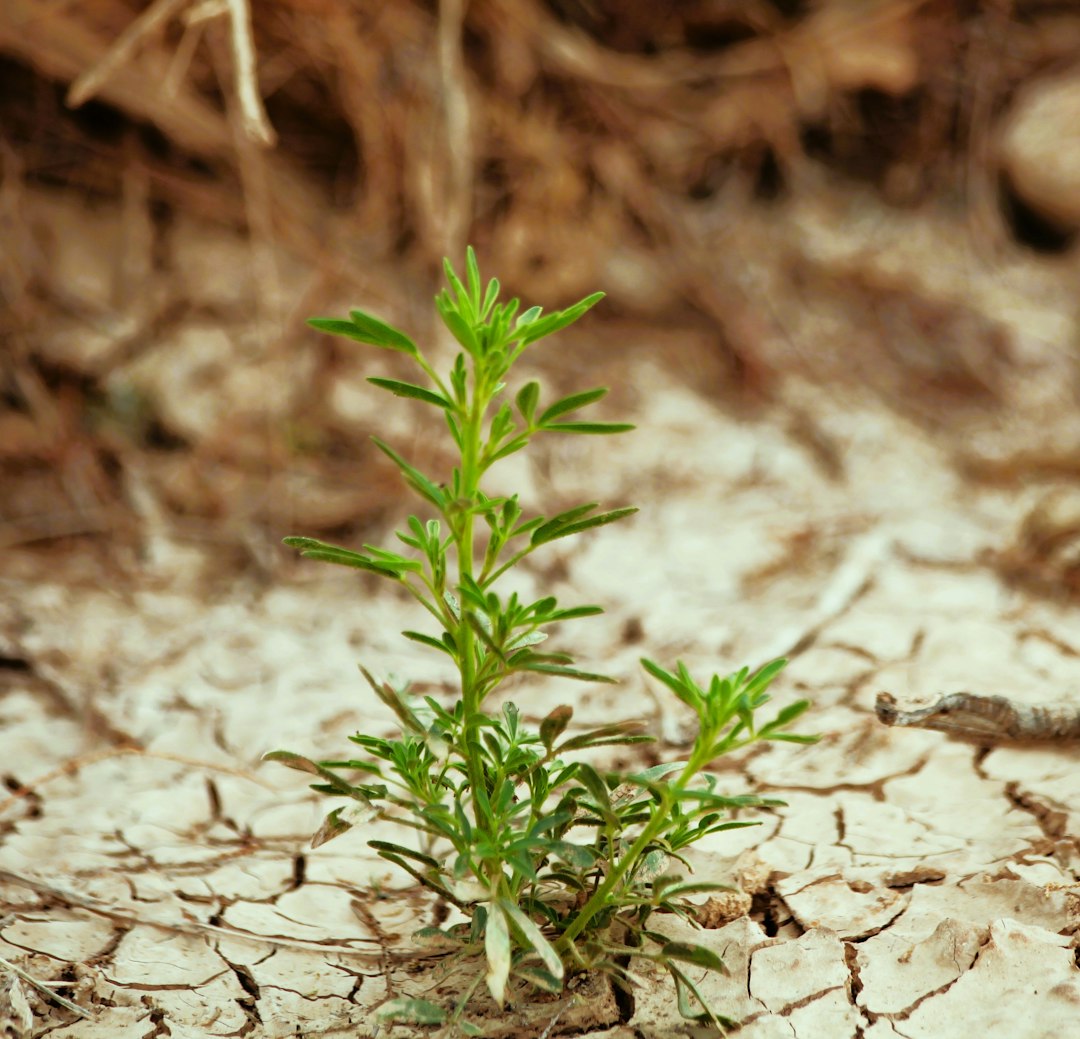
Joe-Pye Weed (Eutrochium purpureum) is a perennial native wildflower. Hardy in USDA zones 4 to 9.
Sun
Full sun to partial shade
Zones
4–9
USDA hardiness
Height
5-7 feet
Planting Timeline
Showing dates for Joe-Pye Weed in USDA Zone 7
All Zone 7 native-wildflower →Zone Map
Click a state to update dates
Joe-Pye Weed · Zones 4–9
Growing Details
Complete Growing Guide
Light: Full sun (6 or more hours of direct sunlight a day), Partial Shade (Direct sunlight only part of the day, 2-6 hours). Soil: Clay, Loam (Silt), Sand. Soil pH: Acid (<6.0), Alkaline (>8.0), Neutral (6.0-8.0). Drainage: Good Drainage, Moist, Occasionally Wet. Height: 5 ft. 0 in. - 7 ft. 0 in.. Spread: 2 ft. 0 in. - 4 ft. 0 in.. Spacing: 3 feet-6 feet. Maintenance: Low. Propagation: Division, Seed, Stem Cutting. Regions: Coastal, Mountains, Piedmont.
Harvesting
The fruit is a cypsela, but it is often referred to as achene. The achene is bullet-shaped and has a small tuft of hair. The fruits are displayed from August to November and are dispersed by the wind. The seeds are slender, five-sided, and measure 4 to 5 mm long.
Type: Achene. Length: < 1 inch. Width: < 1 inch.
Harvest time: Fall
Storage & Preservation
Joe-Pye Weed is primarily grown as an ornamental and dried flower, not for fresh consumption. For fresh cut flowers, store upright in cool water (65-72°F) in a cool location away from direct sunlight; they last 7-10 days. For dried arrangements, hang bundles upside down in a warm, dry, dark space with good air circulation for 2-3 weeks. Preservation methods: (1) Air-drying for long-lasting dried arrangements, ideal for decorative use; (2) Pressing flowers between paper for craft projects; (3) Freeze-drying to preserve color and structure for specialty applications. Dried flowers remain viable for 1-2 years when stored in cool, dry conditions.
History & Origin
Origin: Southeast Canada, North Central and Eastern United States
Advantages
- +Tall purple flower clusters attract butterflies and pollinators throughout summer
- +Thrives in moist areas where many ornamentals struggle or fail
- +Requires minimal maintenance once established in appropriate conditions
- +Hardy native spreads naturally, reducing replanting costs year to year
Considerations
- -Susceptible to powdery mildew in humid climates without good air flow
- -Requires consistently moist soil; poorly suited for dry garden locations
- -Tall stems often need staking to prevent flopping in wind or rain
Companion Plants
Purple Coneflower (Echinacea) and Black-Eyed Susan peak a few weeks before Joe-Pye does, so pairing them keeps pollinators fed continuously from June through September without the plants crowding each other's root zones. New England Aster and Goldenrod pick up right as Joe-Pye fades, extending that window into October. Avoid Black Walnut — juglone seeps through the soil across the entire drip line and Joe-Pye has no tolerance for it. Crown Vetch spreads aggressively by rhizome and will bury a native planting faster than most people expect; it's on the invasive list in several states for exactly that reason.
Plant Together
Purple Coneflower (Echinacea)
Similar growing conditions and bloom times, both attract beneficial pollinators and complement each other visually
Black-Eyed Susan
Shares similar soil and moisture requirements, creates stunning late summer color combinations
New England Aster
Extends pollinator season with later blooms, both support monarch butterfly migration
Wild Bergamot
Attracts complementary pollinators including native bees, thrives in similar prairie conditions
Goldenrod
Blooms simultaneously providing abundant nectar sources, both support late-season pollinators
Ironweed
Similar height and growing conditions, both provide critical late-season nectar for butterflies
Little Bluestem Grass
Provides structural contrast and support, mimics natural prairie plant communities
Switchgrass
Offers wind protection and creates natural prairie ecosystem, shares water requirements
Keep Apart
Black Walnut
Produces juglone which is toxic to many wildflowers and can inhibit Joe-Pye Weed growth
Crown Vetch
Aggressive spreader that can outcompete and smother native wildflowers
Autumn Olive
Invasive shrub that creates dense shade and competes for nutrients, suppressing native plants
Troubleshooting Joe-Pye Weed
What you'll see, why it happens, and what to do about it.
Powdery white coating on leaves in mid-to-late summer, especially on plants in dense shade
Likely Causes
- Powdery mildew (Erysiphe or Golovinomyces spp.) — common on Eutrochium in humid conditions with poor airflow
- Planting too close together or against a fence or wall that blocks circulation
What to Do
- 1.Thin stems at the base in spring to 5-7 per clump to open up airflow
- 2.Cut affected stems back by one-third after bloom if mildew is severe — the plant won't rebloom, but you'll stop spore spread
- 3.Relocate divisions to a spot with at least 4-6 hours of direct sun; shade-grown plants are far more susceptible
Stunted, distorted new growth with sticky residue on stems in spring
Likely Causes
- Aphid colonies (commonly Aphis spp.) clustering on new shoot tips
- Ants farming aphids — if you see ant trails up the stem, aphids are almost certainly the problem
What to Do
- 1.Knock aphids off with a sharp spray of water from a hose; repeat every 2-3 days for two weeks
- 2.Let it go if the plant is otherwise healthy — lady beetles and parasitic wasps usually catch up within 10-14 days without any intervention
Frequently Asked Questions
How long does Joe-Pye Weed bloom?▼
Is Joe-Pye Weed good for beginner gardeners?▼
Can you grow Joe-Pye Weed in containers?▼
When should I plant Joe-Pye Weed?▼
What does Joe-Pye Weed attract to my garden?▼
Does Joe-Pye Weed spread or self-seed?▼
Zone-by-Zone Planting Calendar
Growing Guides from Wind River Greens
Sources & References
External authority sources used in compiling this guide.
- ExtensionNC State Extension
See the Methodology page for how this data is sourced, what's AI-assisted, and known limitations.